(Final Part of the Bhutan Trek Series)
See here for Part 3 – Into the Himalayas: Beginning the Chomolhari Trek
Day 4 – Climbing Toward 16,000 Feet
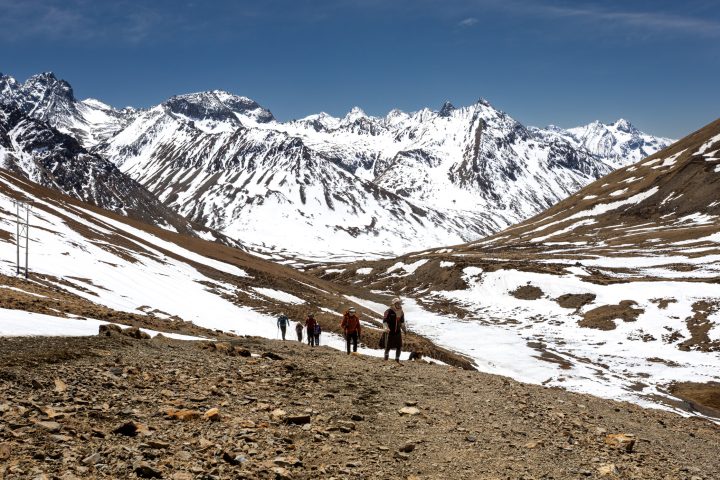
I woke early that morning.
I wanted to catch the sunrise lighting up Mount Jomolhari, and I also knew we had a big day ahead of us.
Our goal was Nyele La Pass—the highest point we would reach on the trek.
According to my GPS track:
- Distance: 9.3 miles round trip
- Elevation Gain: ~2,575 ft
- Highest Elevation: 16,028 ft
The climb began gently as we followed the same trail from the previous day before branching off toward the pass.
The weather was perfect—clear blue skies with only a light wind.
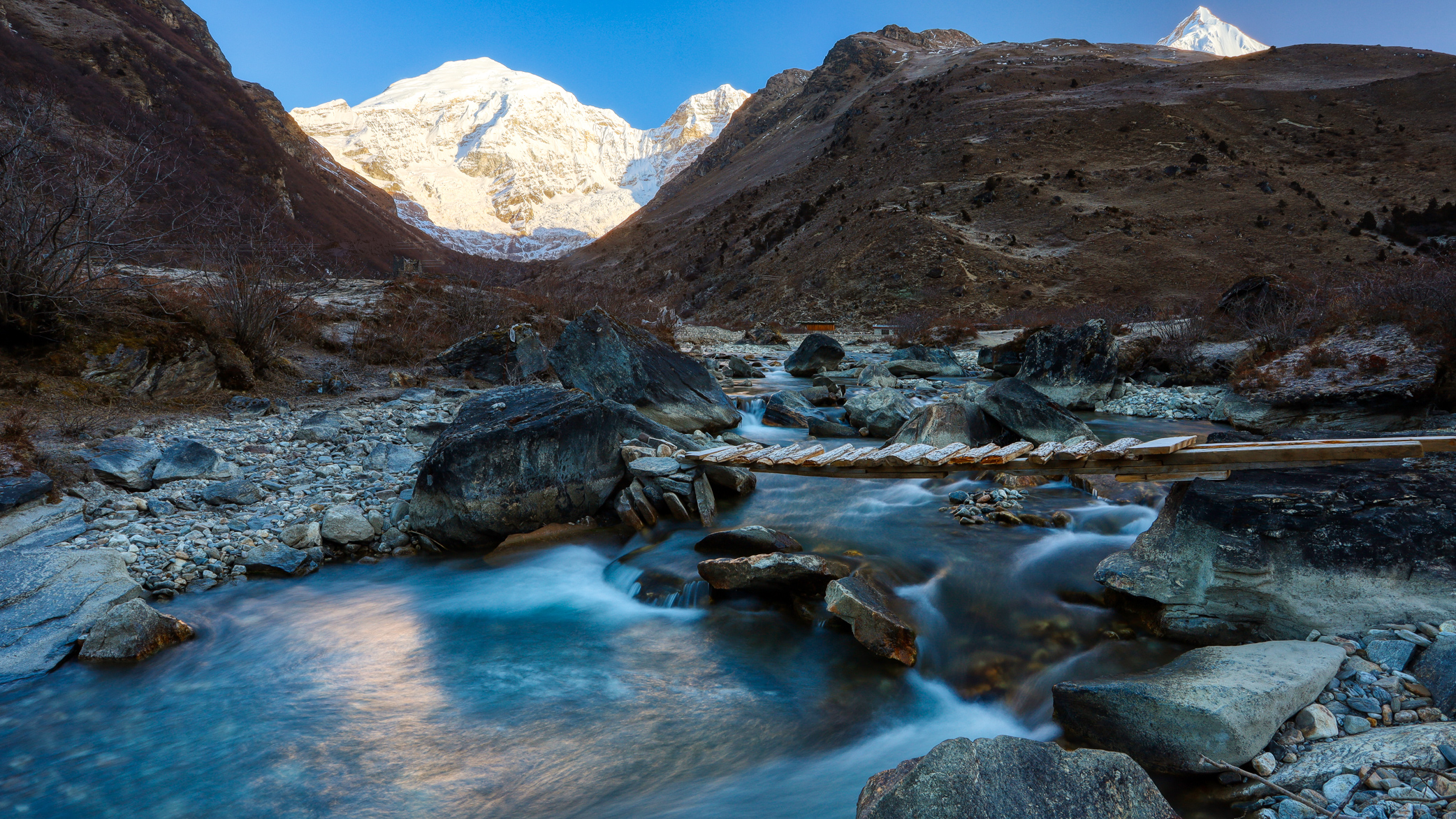
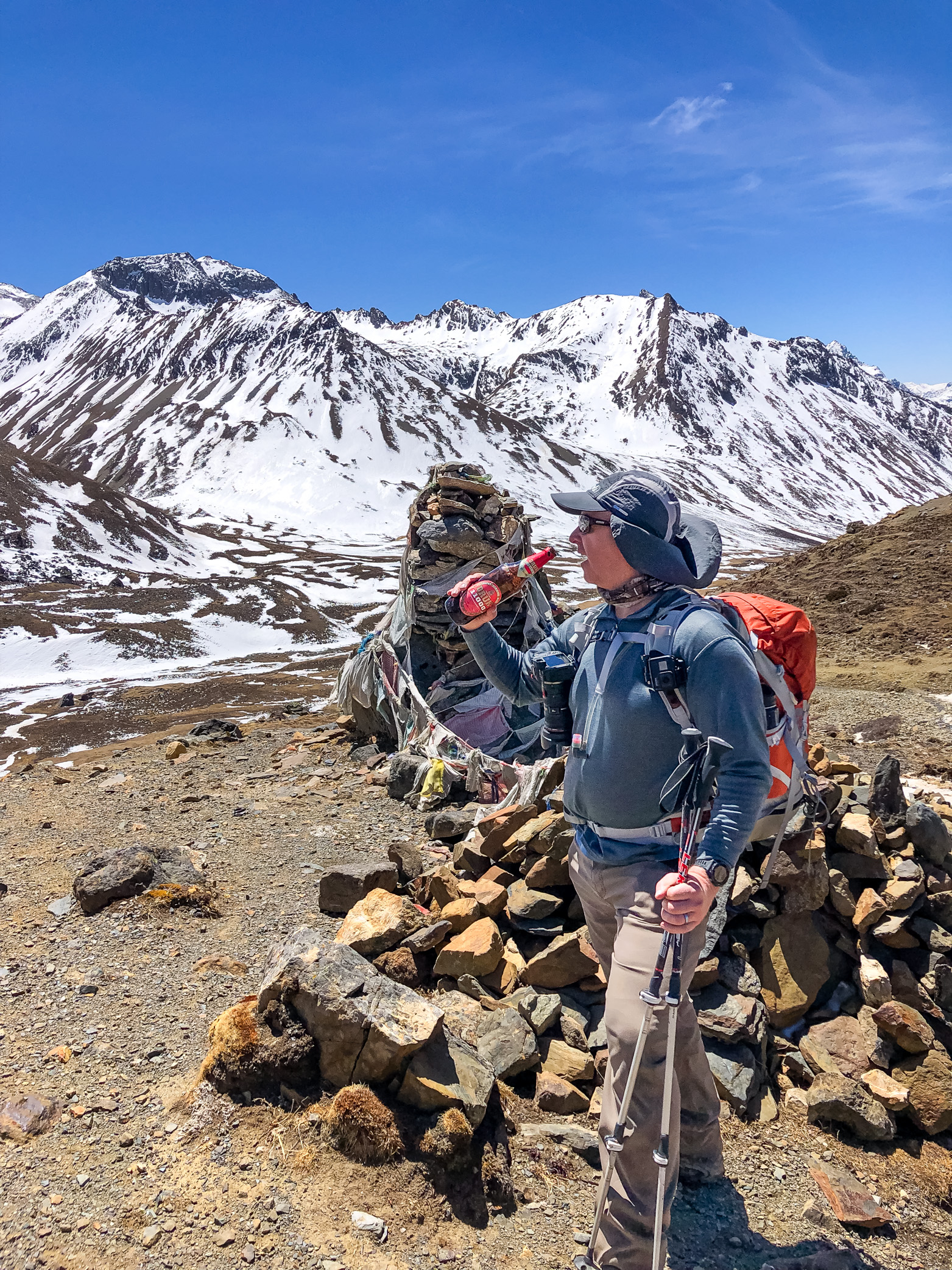
As we climbed higher, the trail steepened and the terrain became rougher.
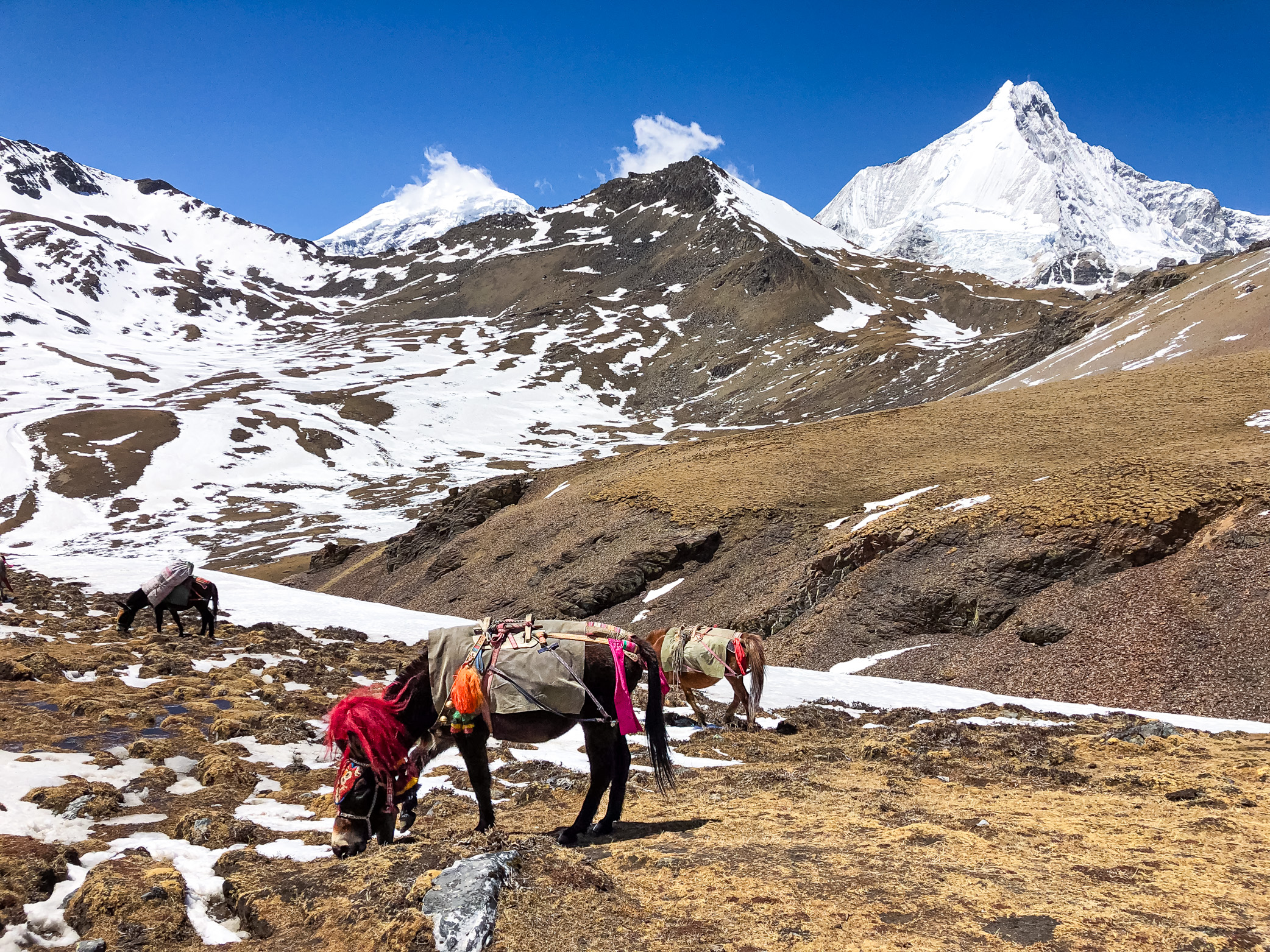
Snow patches covered sections of the path, and some of the pack animals struggled to navigate the deeper drifts.
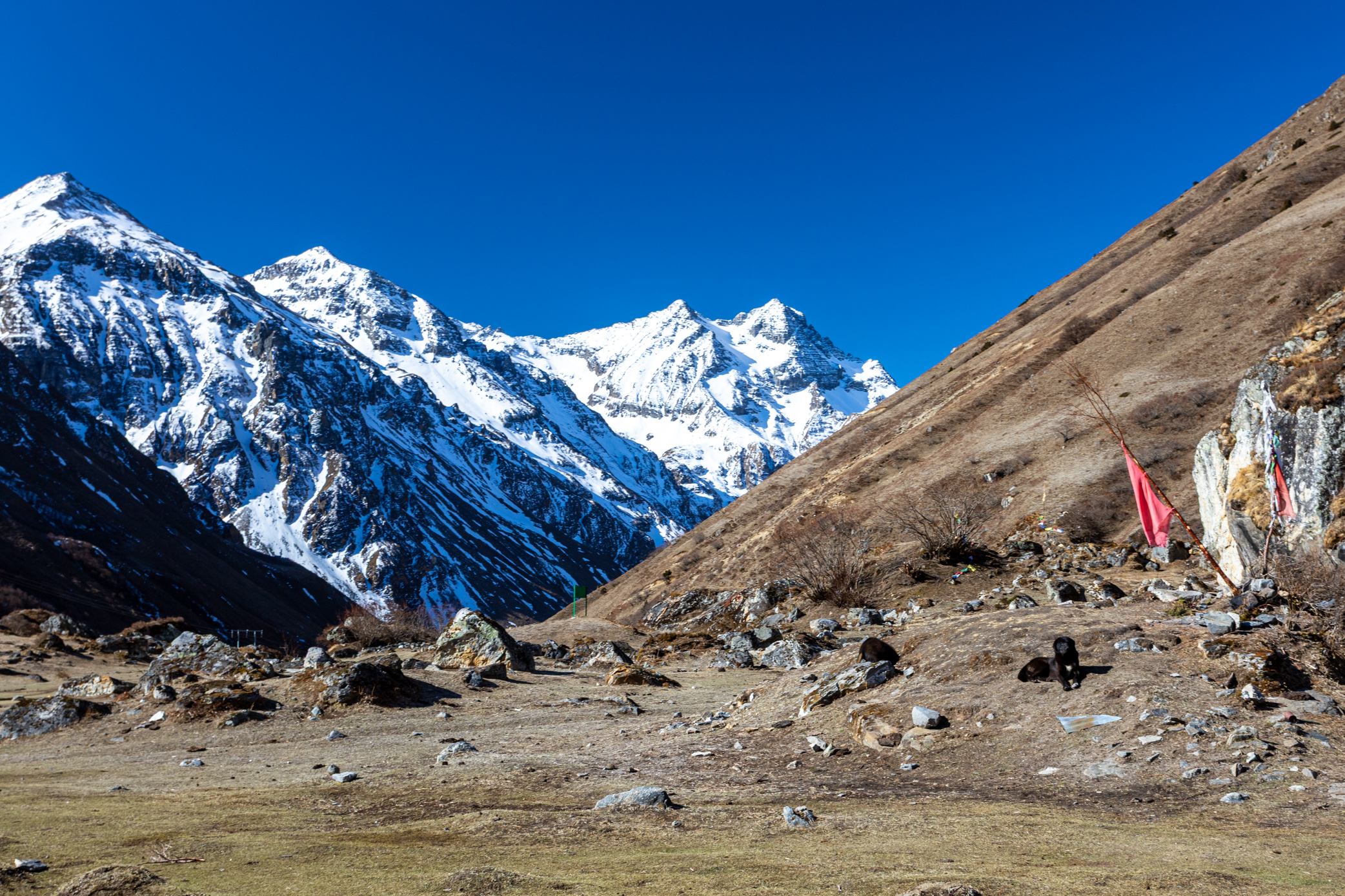
Eventually, the valley opened into a wide, barren basin with the pass visible far above us.
It looked like a long way up.
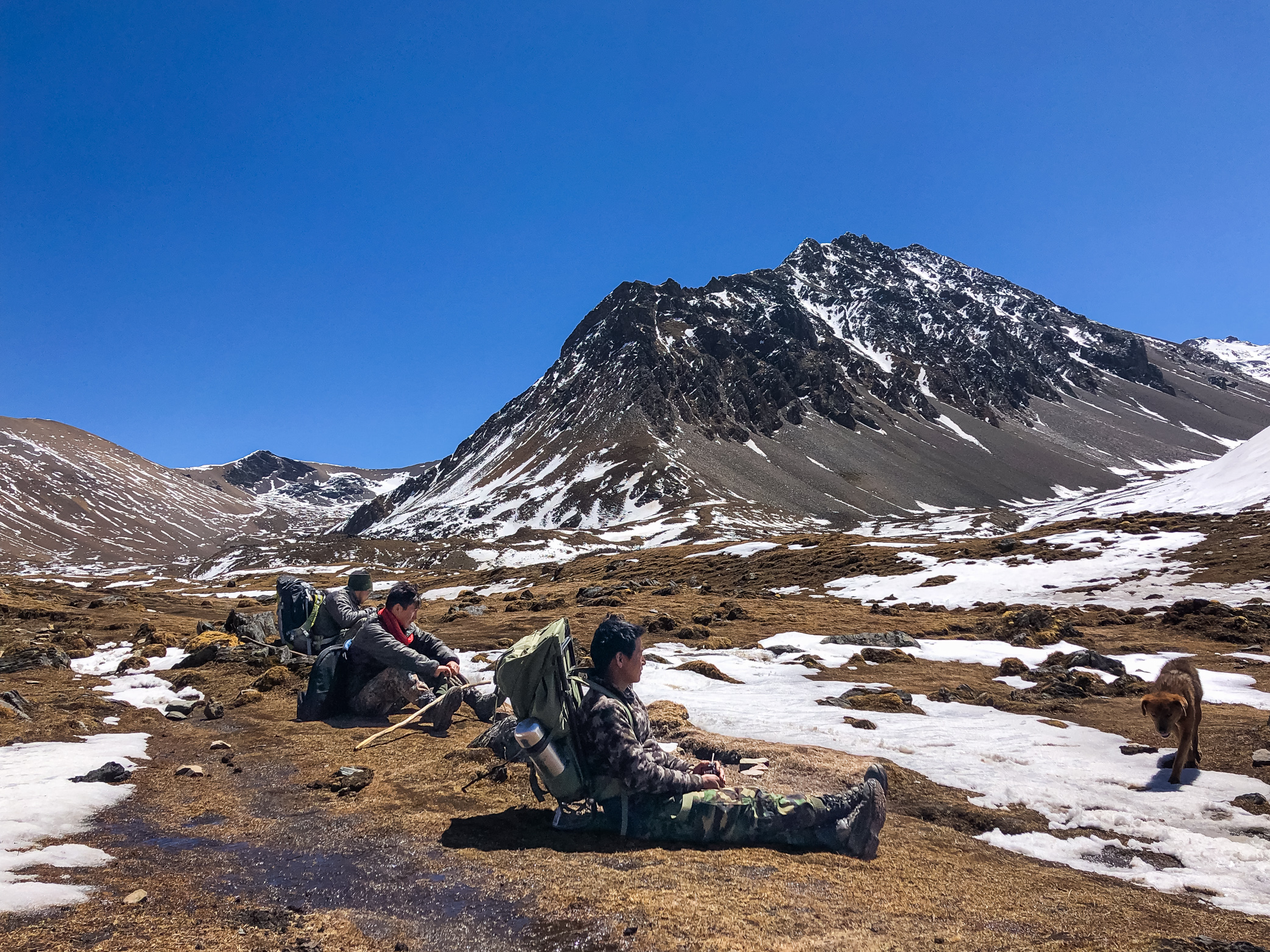
At one point along the climb, our trekking cooks somehow appeared—carrying lunch.
The logistics of how they managed to prepare food at these elevations while moving ahead of us on the trail remains one of the mysteries of the trek.
But there they were, as always, ready with something warm before the final push.
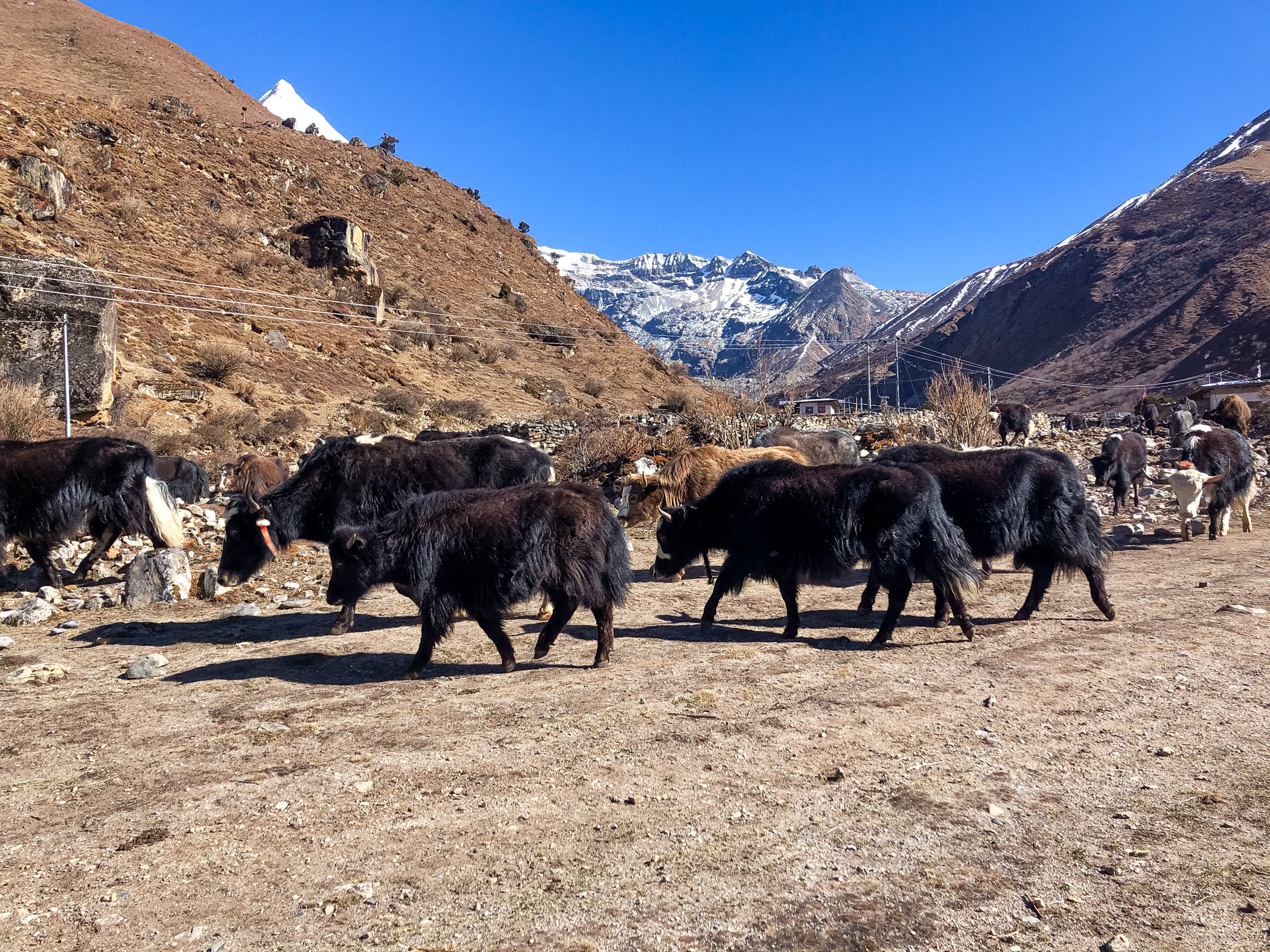
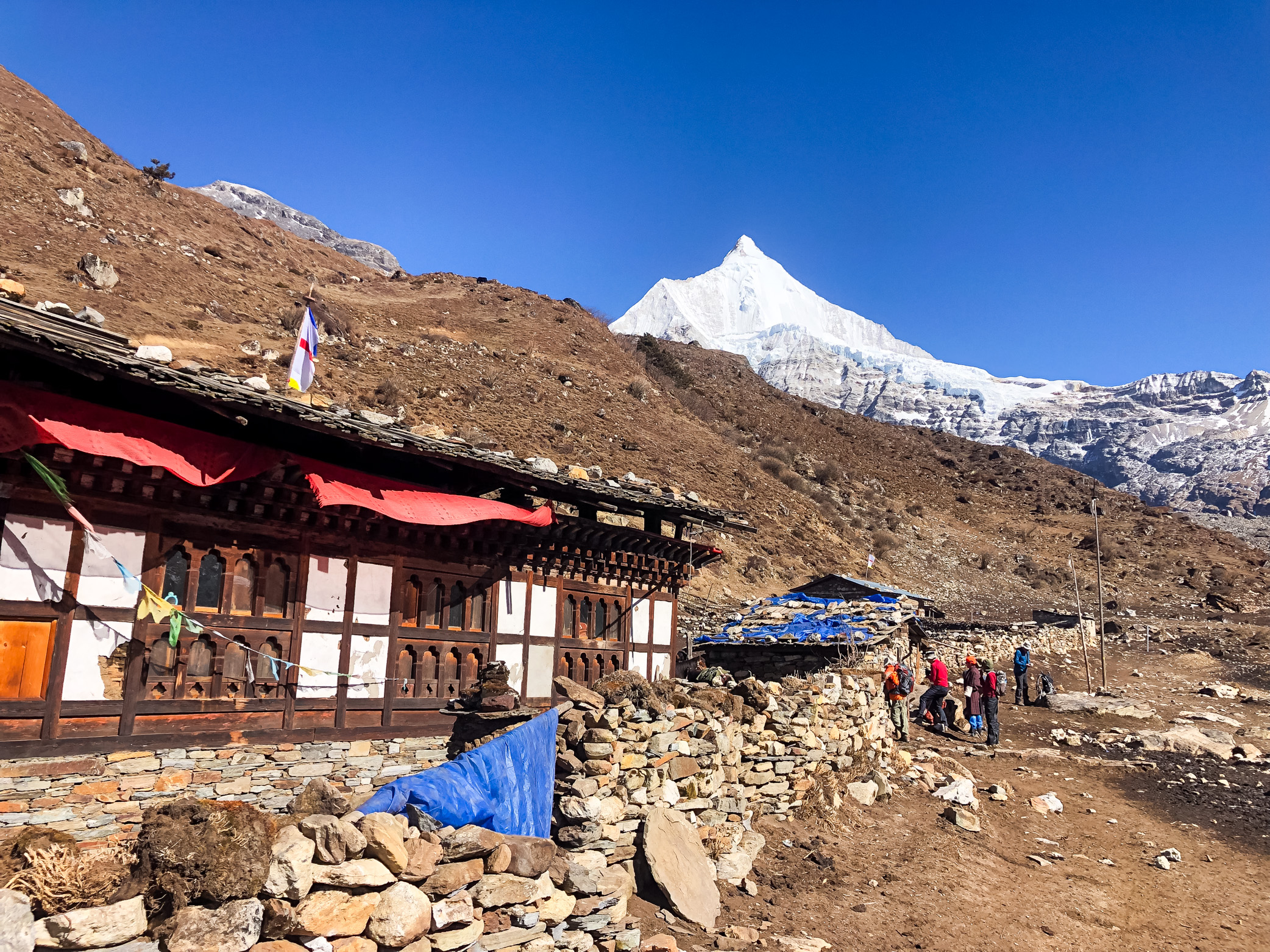
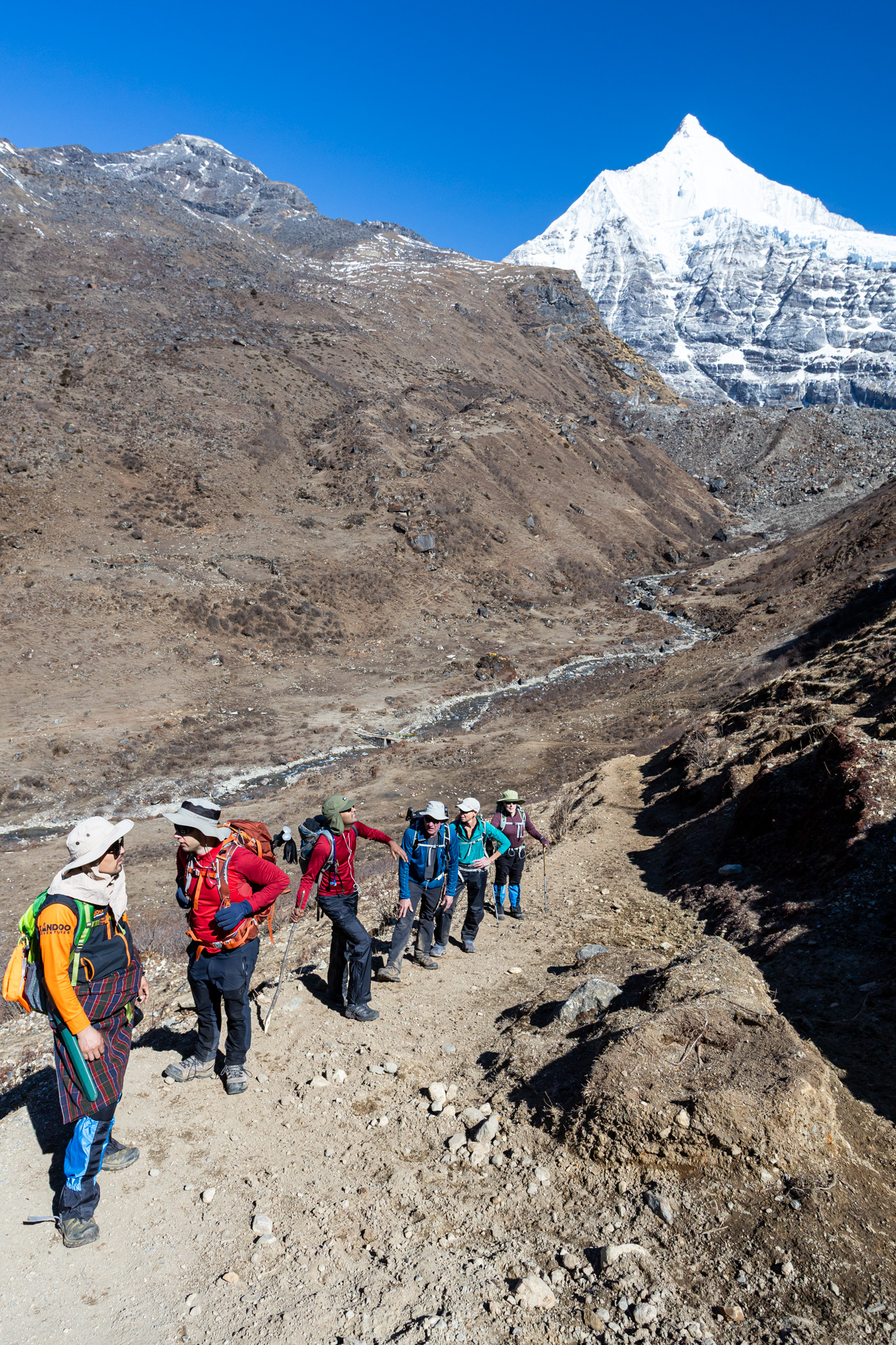
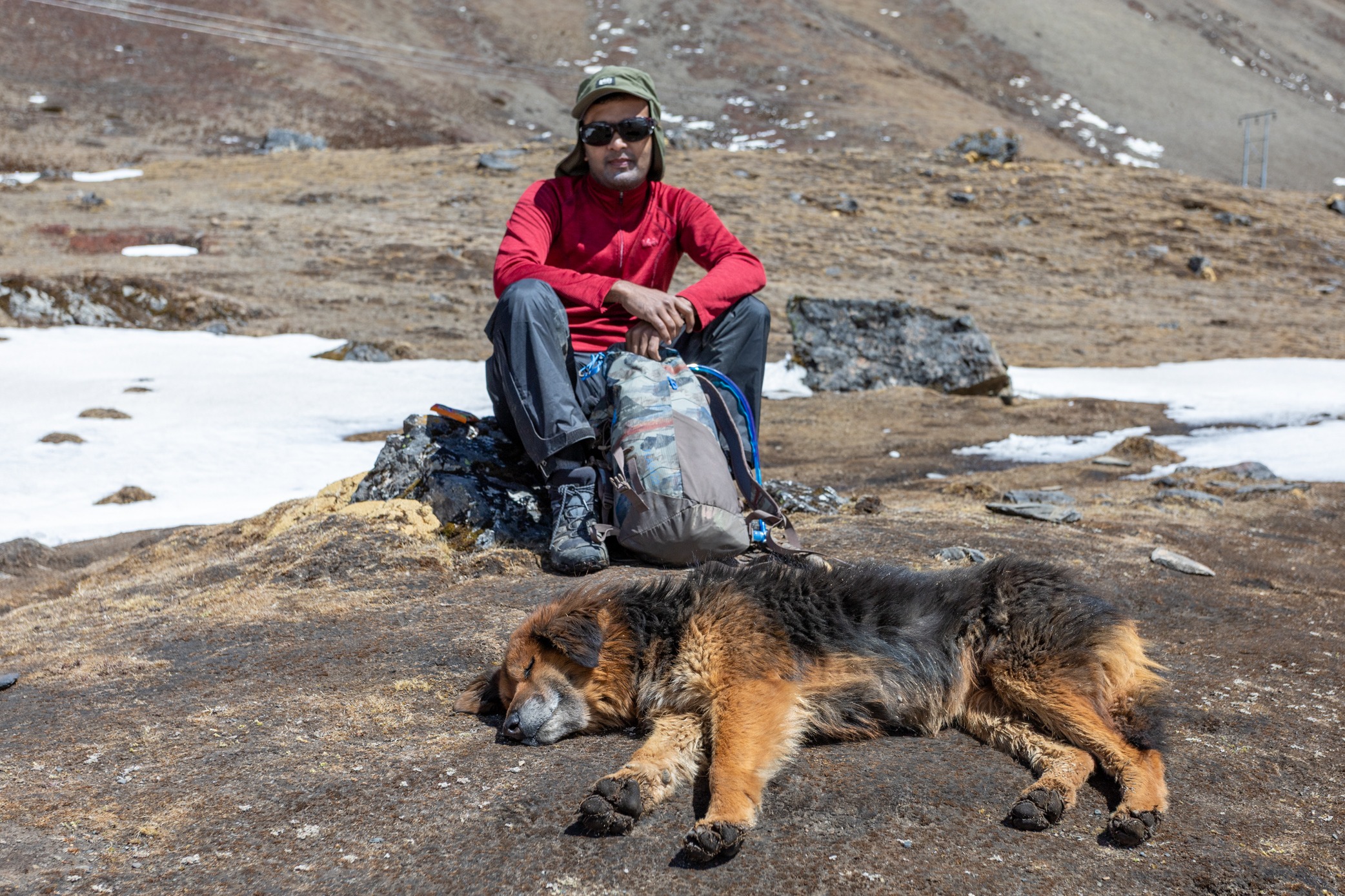
The Final Push
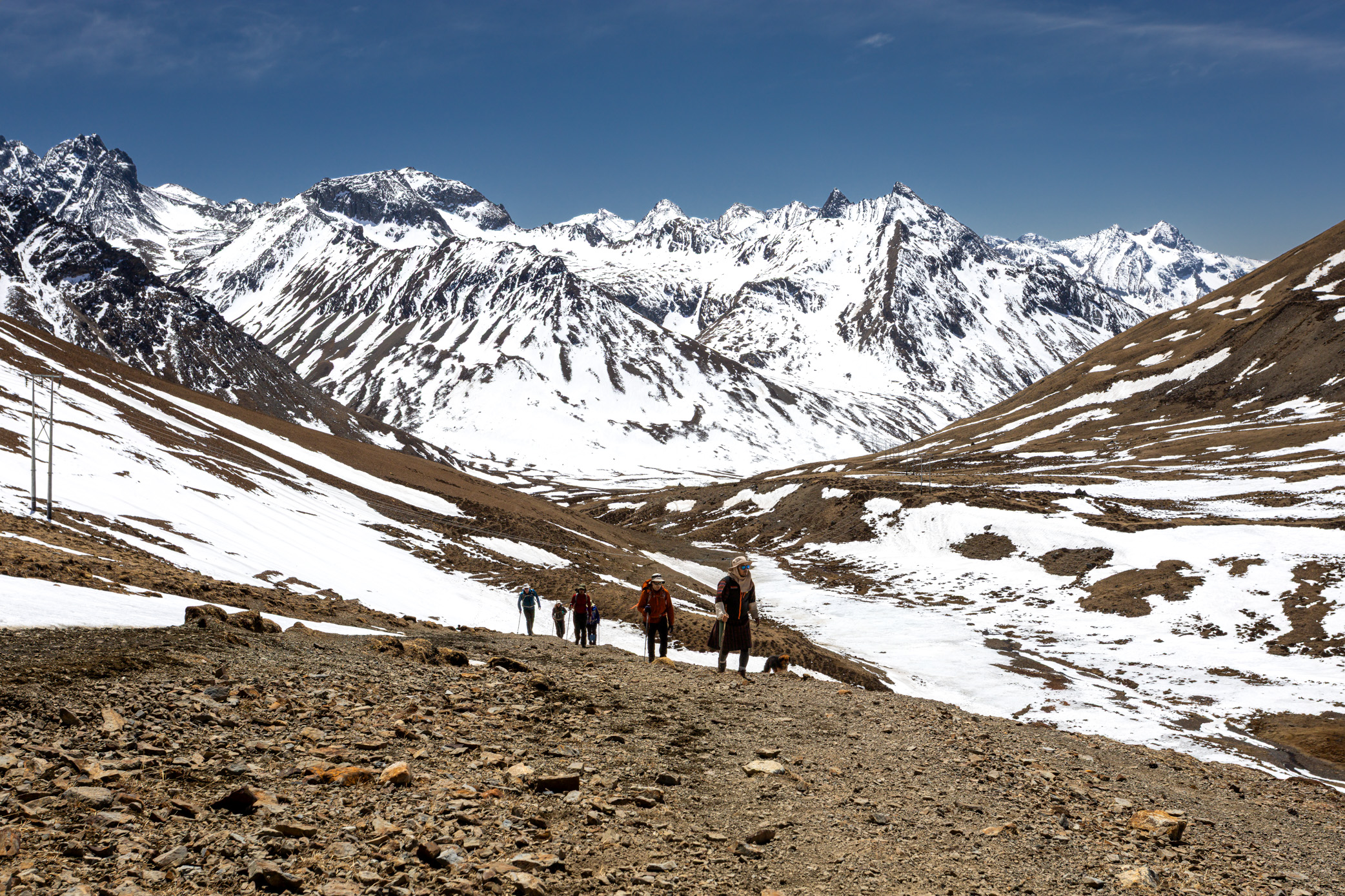
The last section of the climb felt like walking up a giant sand dune.
Loose ground and thin air made each step a little harder than the last.
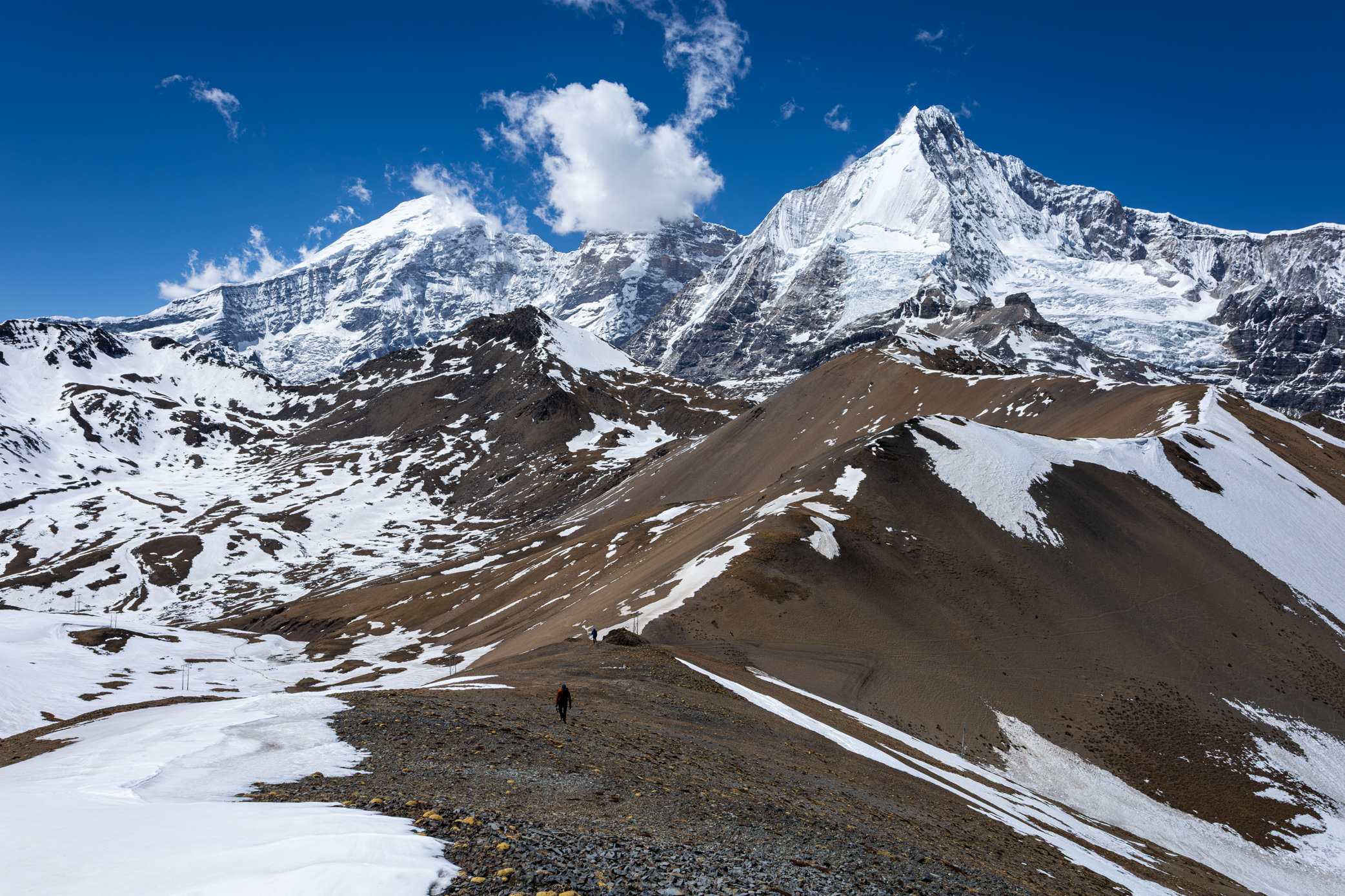
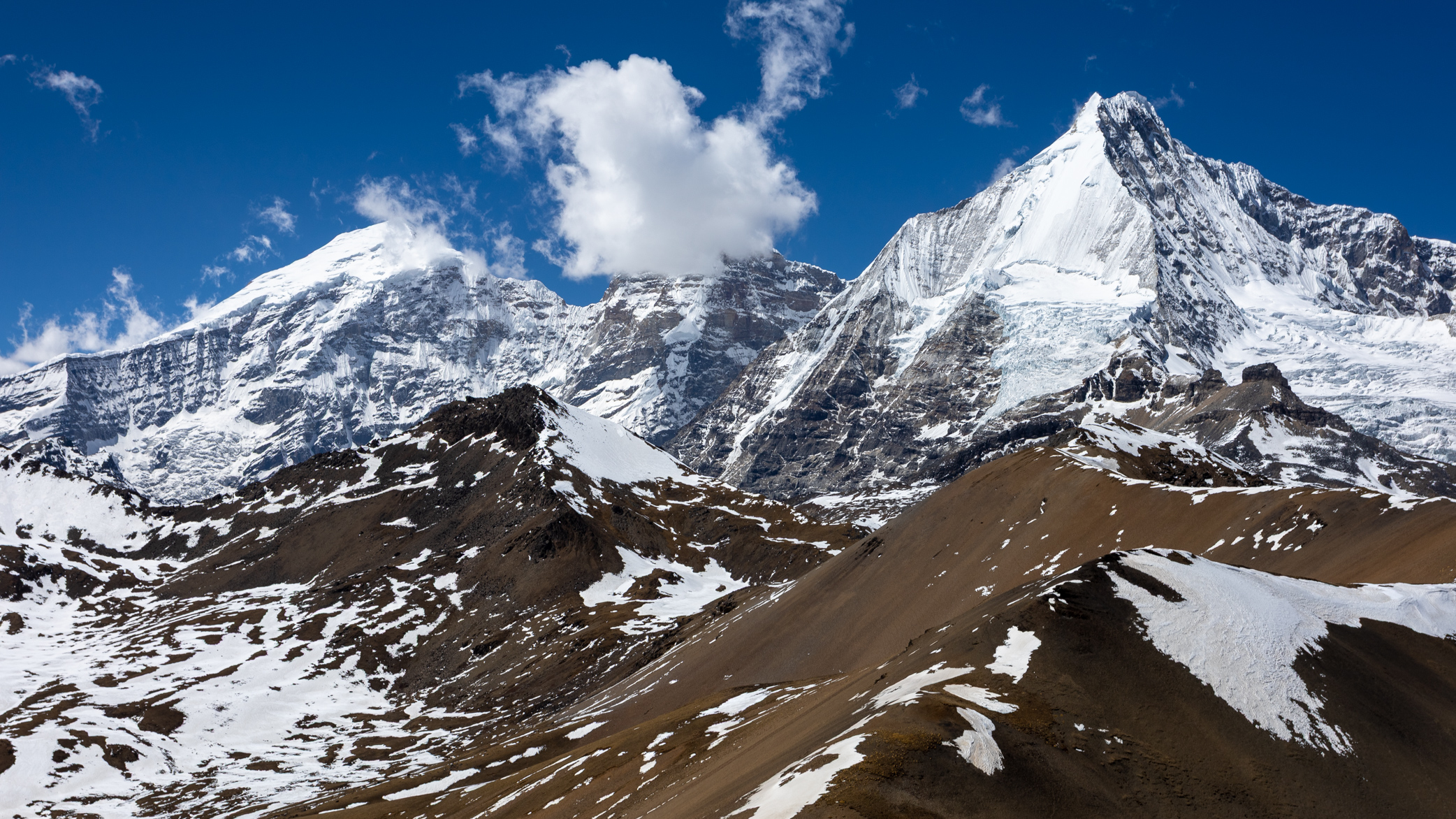
But the higher we climbed, the more incredible the views became.
Finally, we crested the pass.
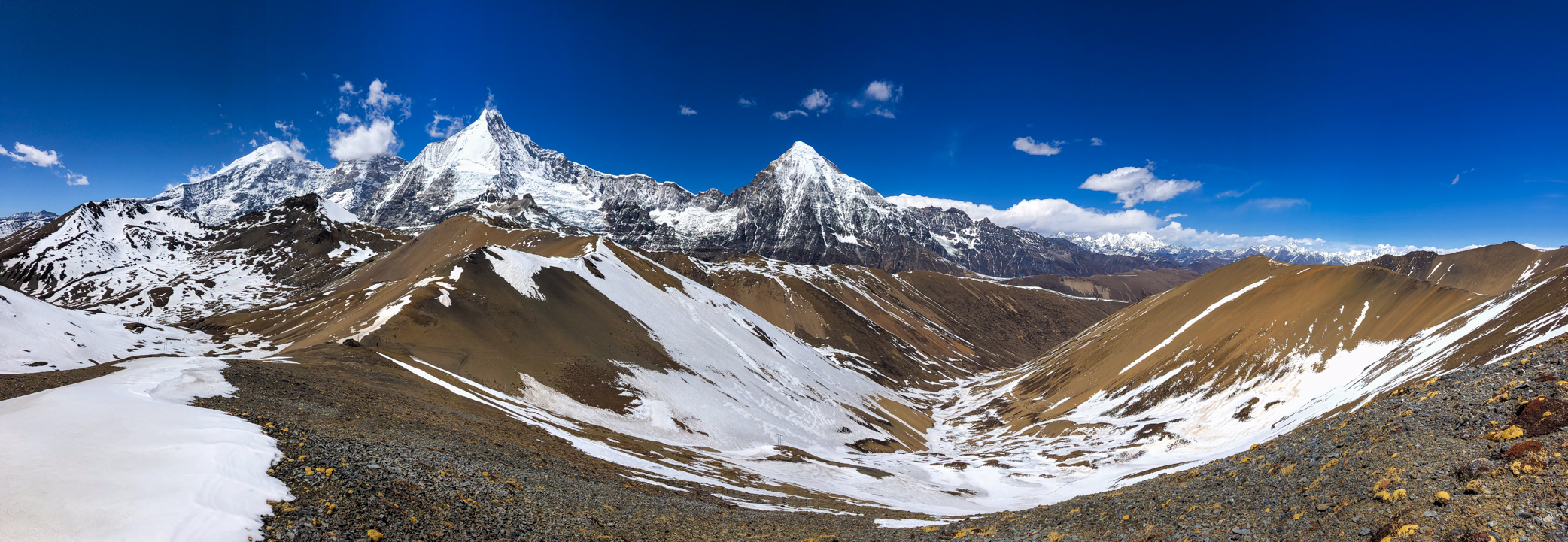
And the view stopped me in my tracks.
Wind whipped across the ridge while prayer flags snapped loudly in the air. Mountains stretched endlessly in every direction.
For a moment, none of us said anything.
We just stood there taking it all in.
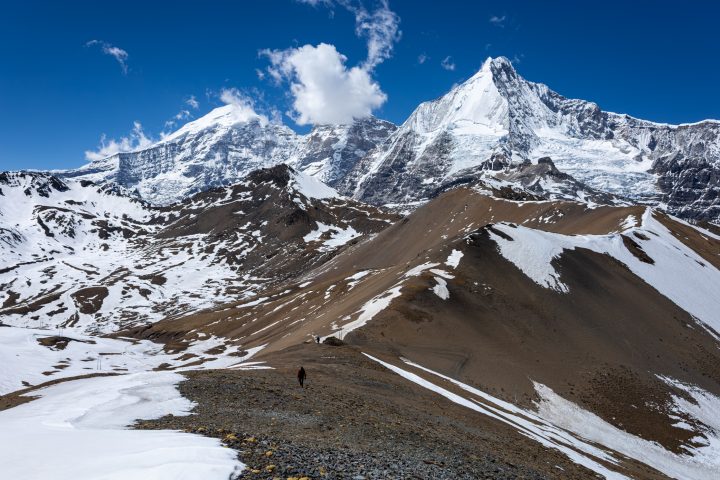
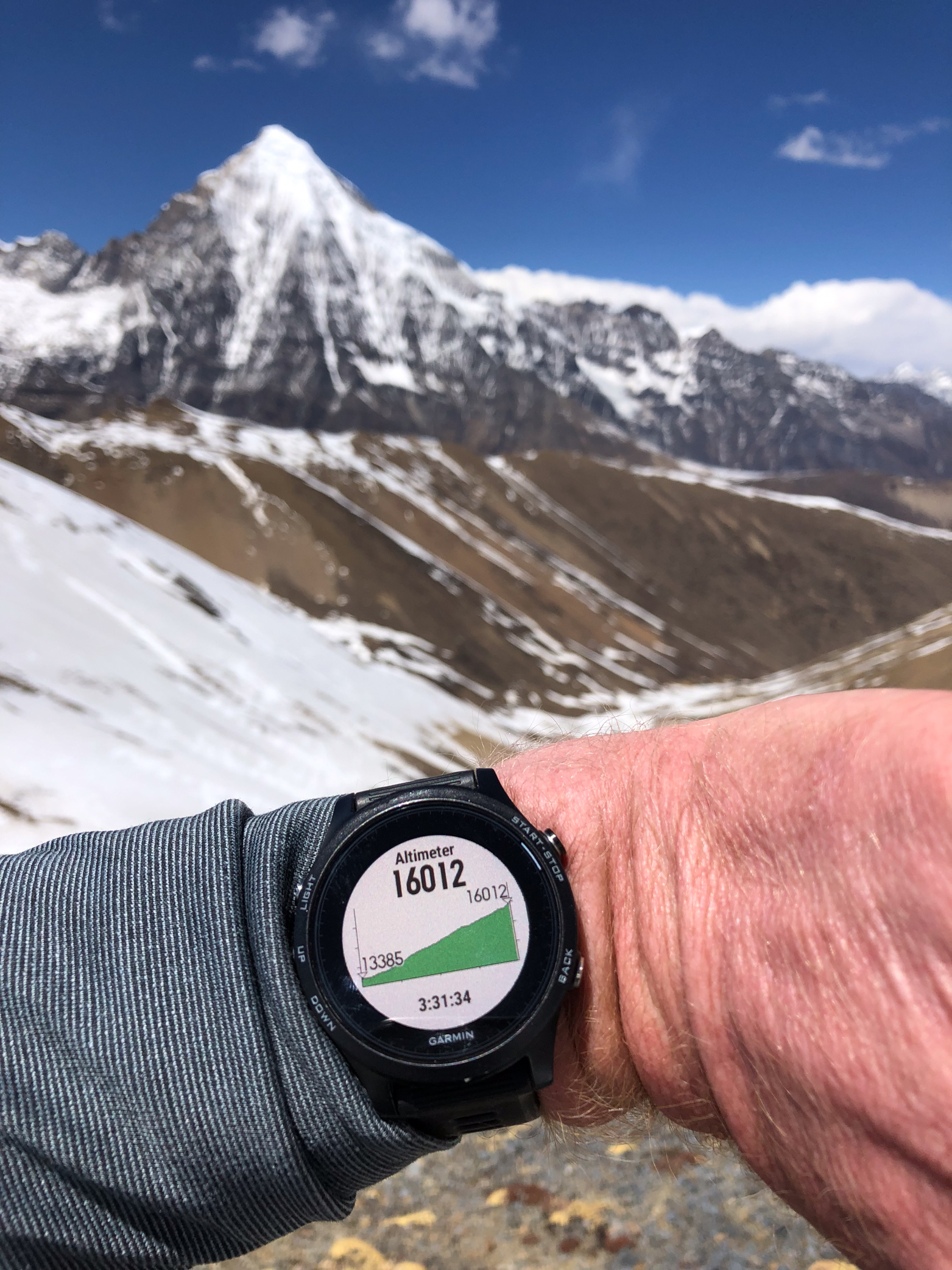
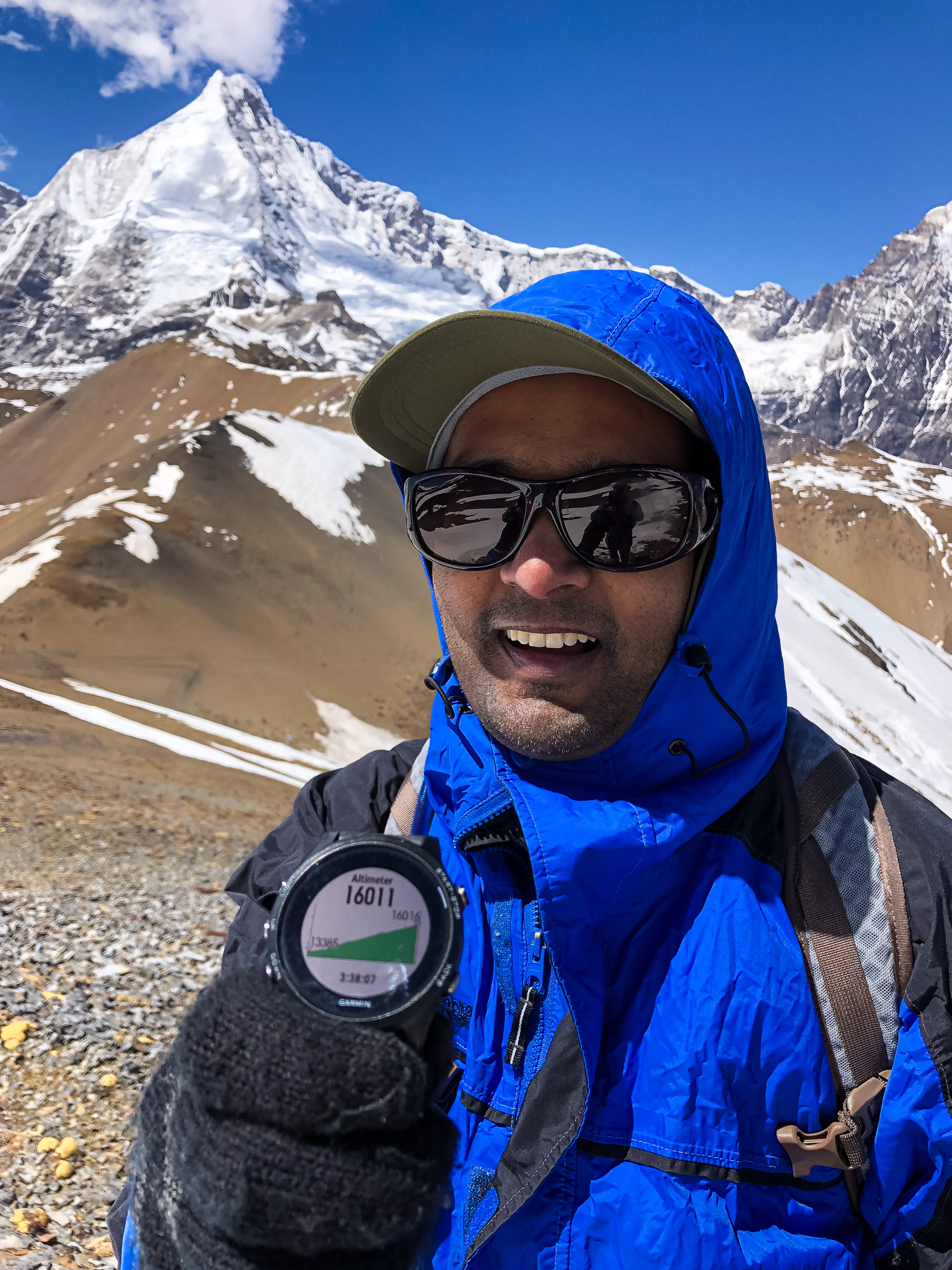
I checked my watch.
It read 16,028 feet.
I had quietly set a small goal for myself to reach 16,000 feet on the trek, so seeing that number felt pretty incredible.
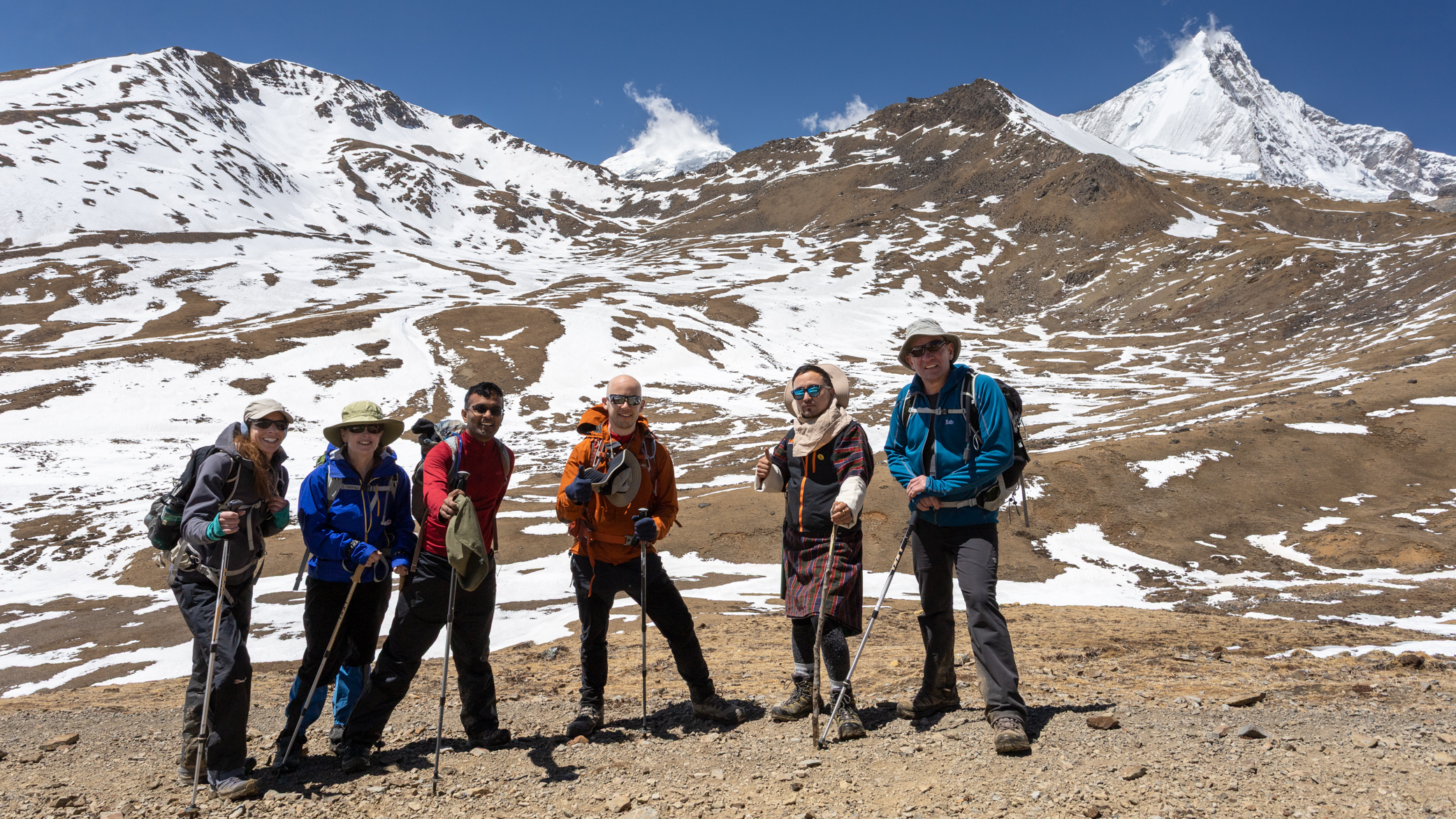
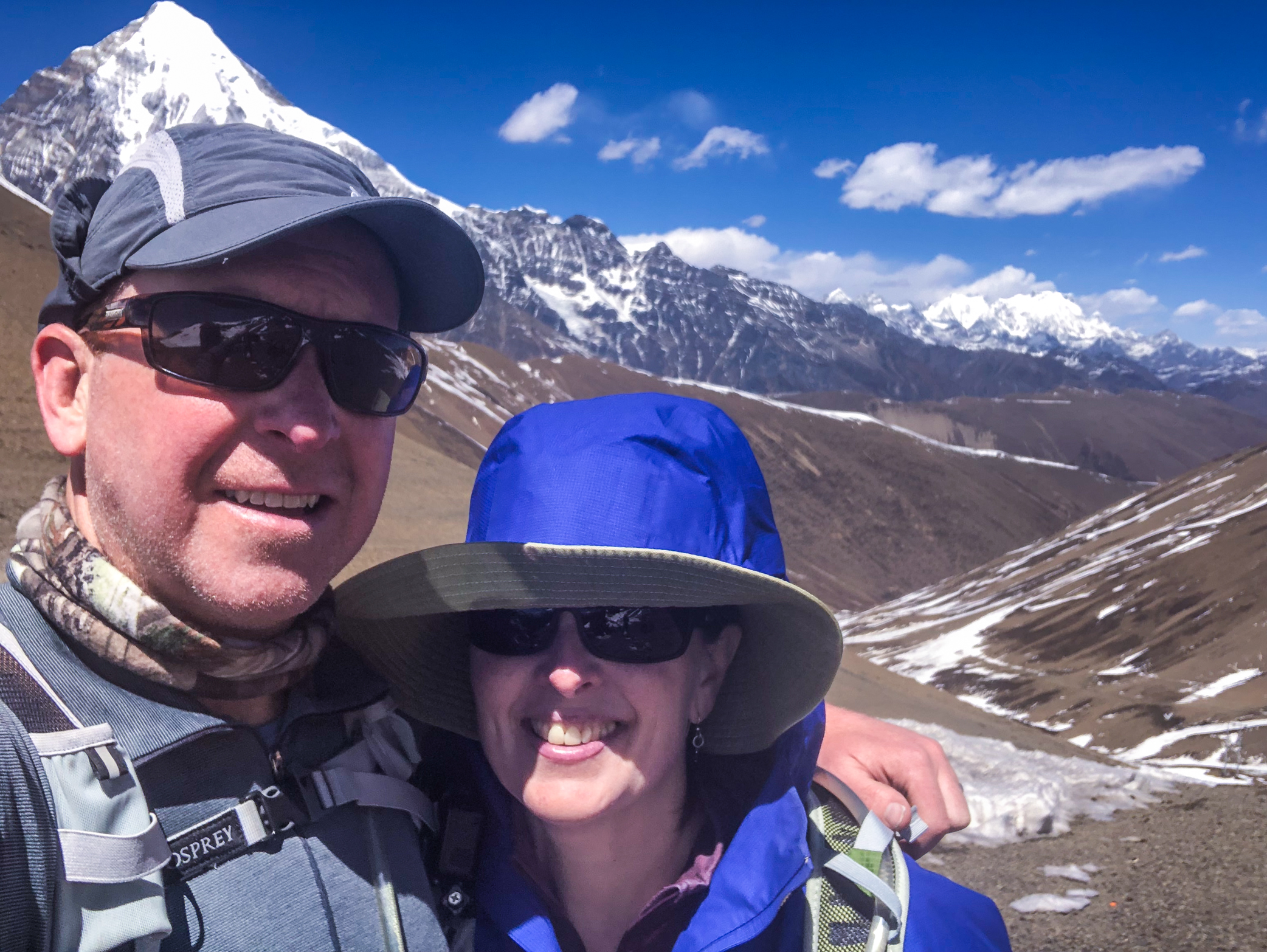
I climbed a little higher onto a nearby ridge, and soon a few others followed.
Shyam, who had never done much high-altitude trekking before, joined me at the top and we took a photo of him holding my watch showing the elevation.
A small but memorable moment.
I think this was higher than anywhere we had been in Peru—including Cusco, the Inca Trail, and Machu Picchu.
Back at Base Camp
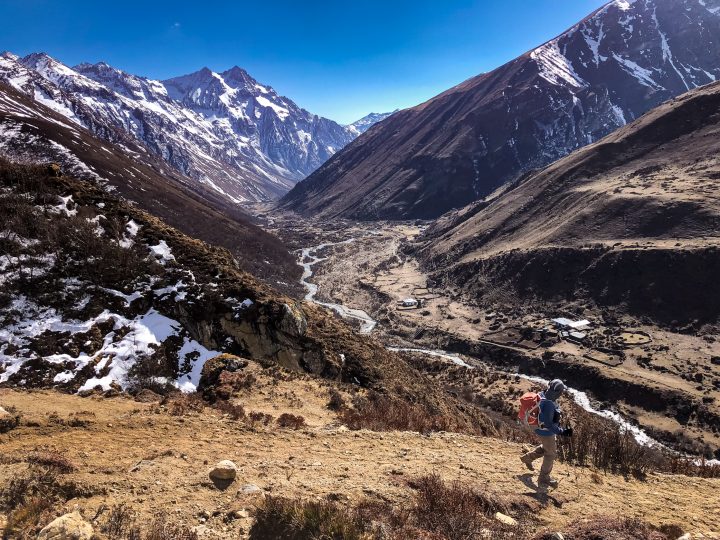
The descent back to base camp felt much easier.
The sun had warmed the valley, and we peeled off layers as we dropped elevation.
Back at camp, some people retreated to their tents for a nap.
We spent some time just relaxing, soaking in the surroundings and the fact that we had just reached the highest point of the trek.
Uno, Momos, and the Final Night at Base Camp
That evening, our cooks outdid themselves once again.
They prepared momos—Bhutanese dumplings—along with a full dinner despite the primitive kitchen setup.
After dinner, we gathered in the stone building again where the group spent hours playing Uno and telling stories.
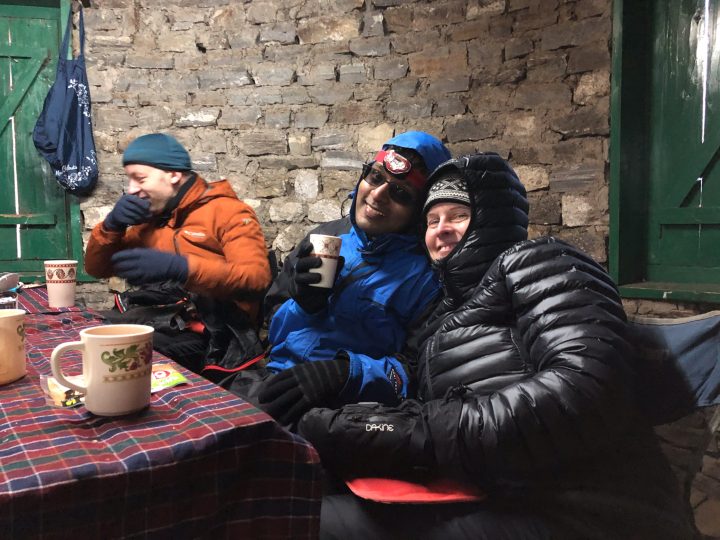
It was our final night at base camp.
There was something about that last night that felt different.
We knew the hardest part of the trek was behind us.
Day 5 – Butter Tea in a Himalayan Home
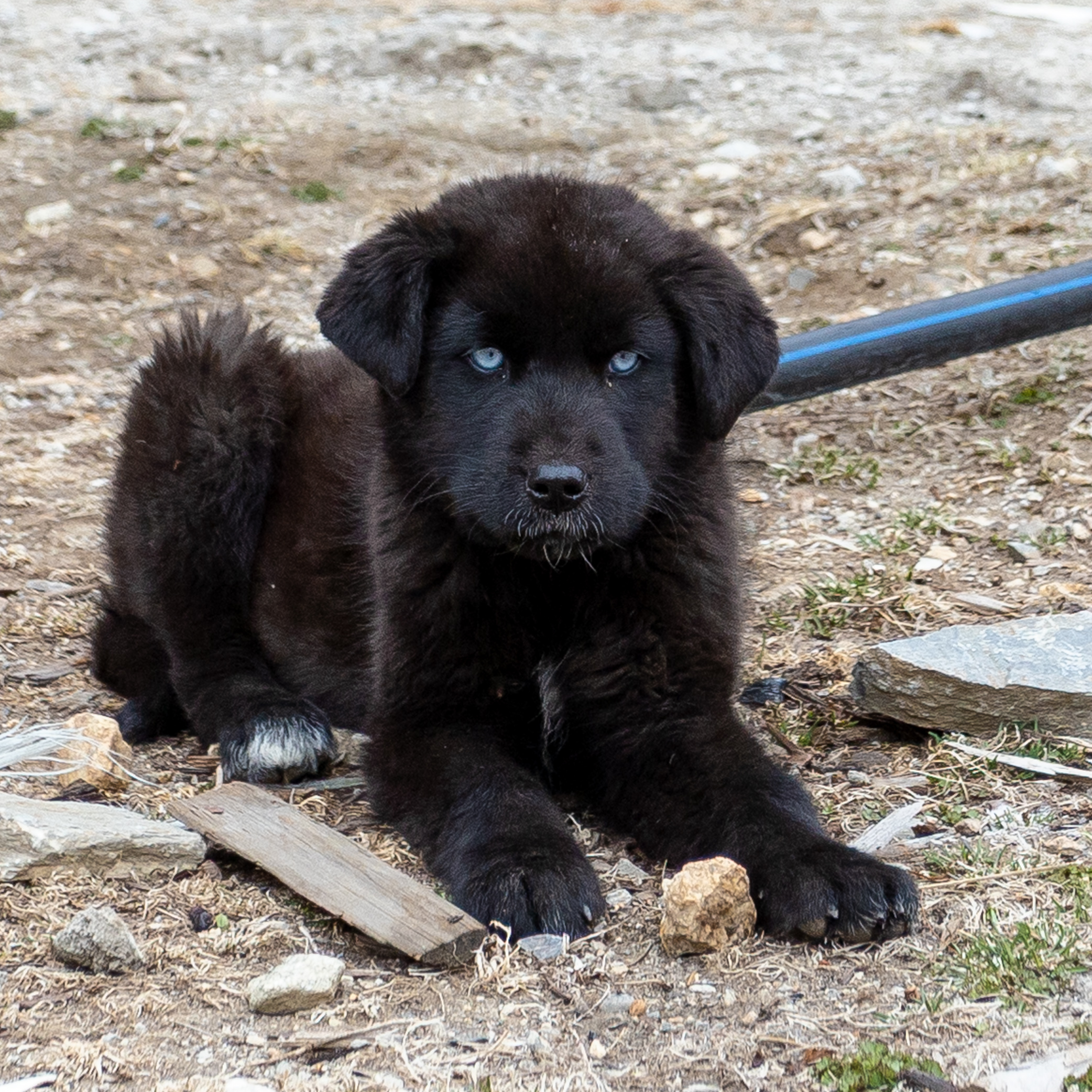
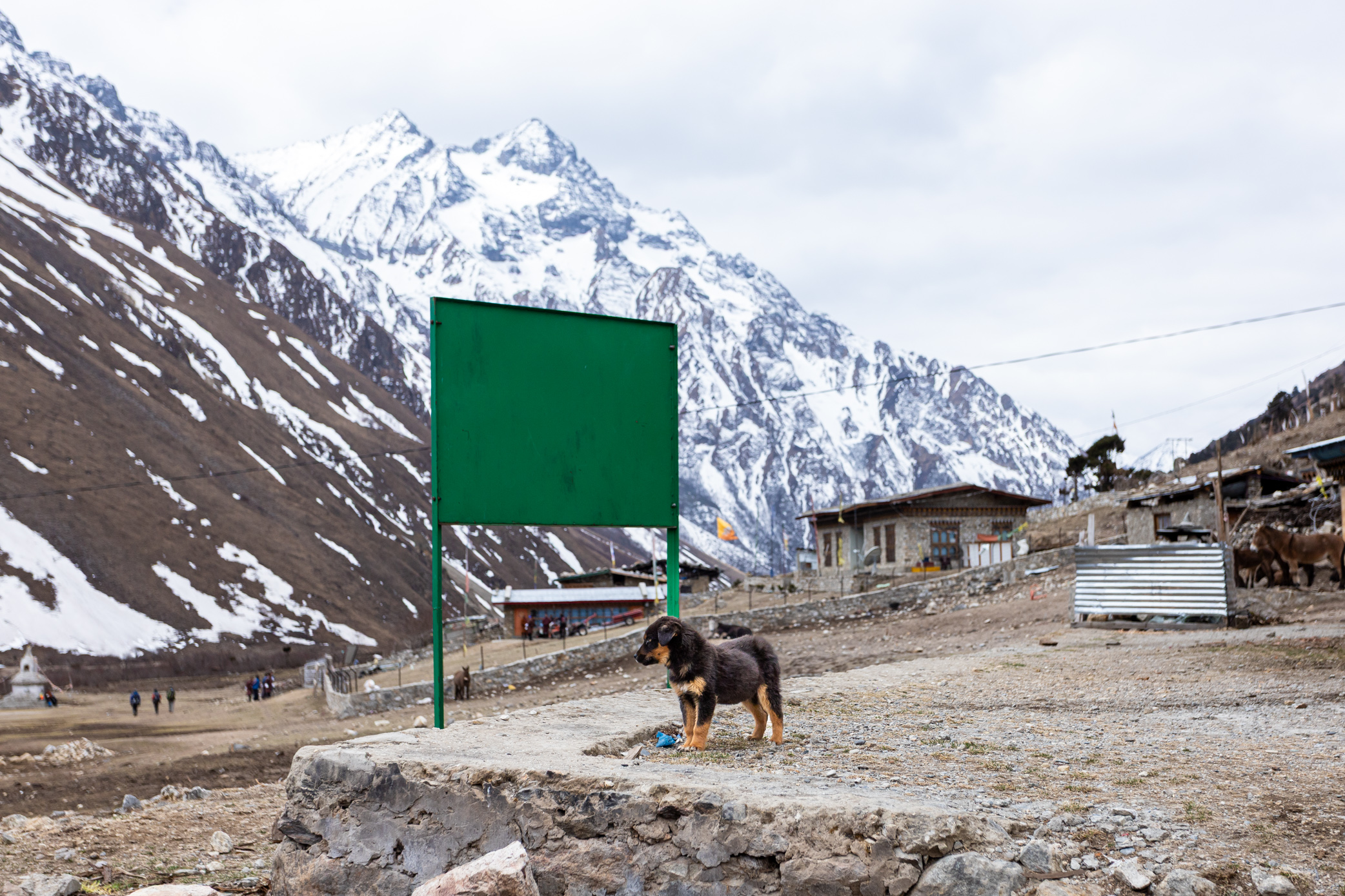
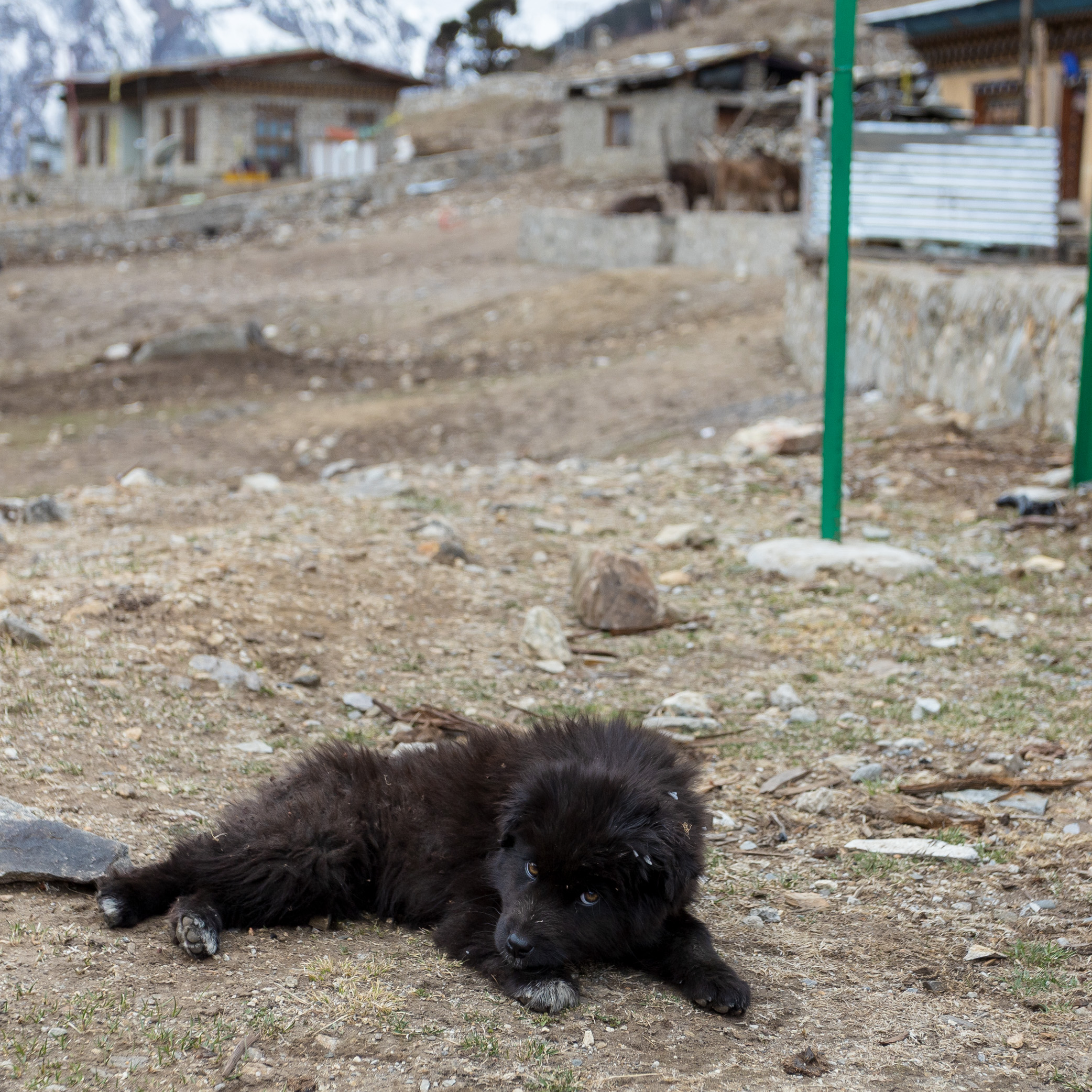
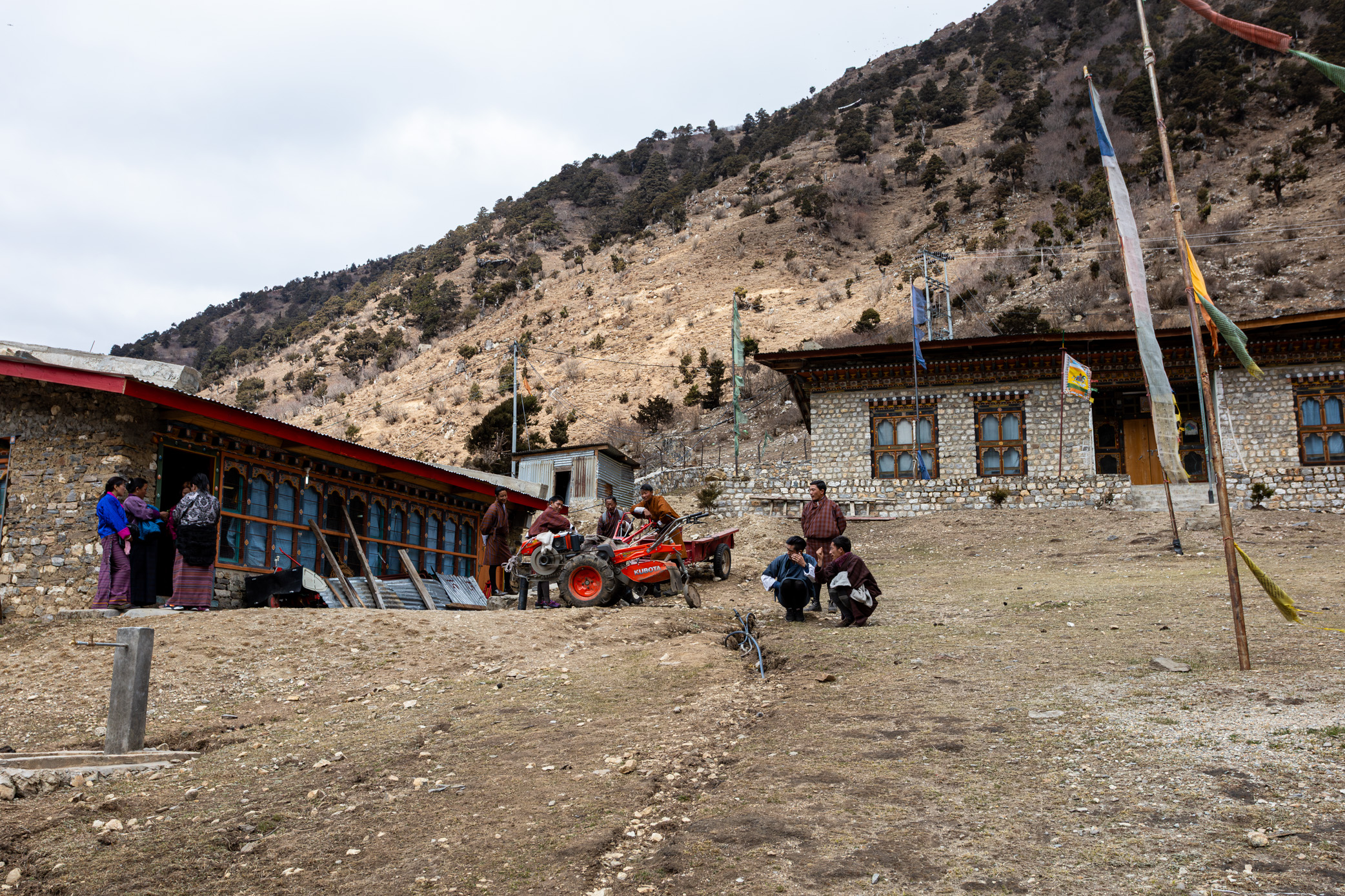
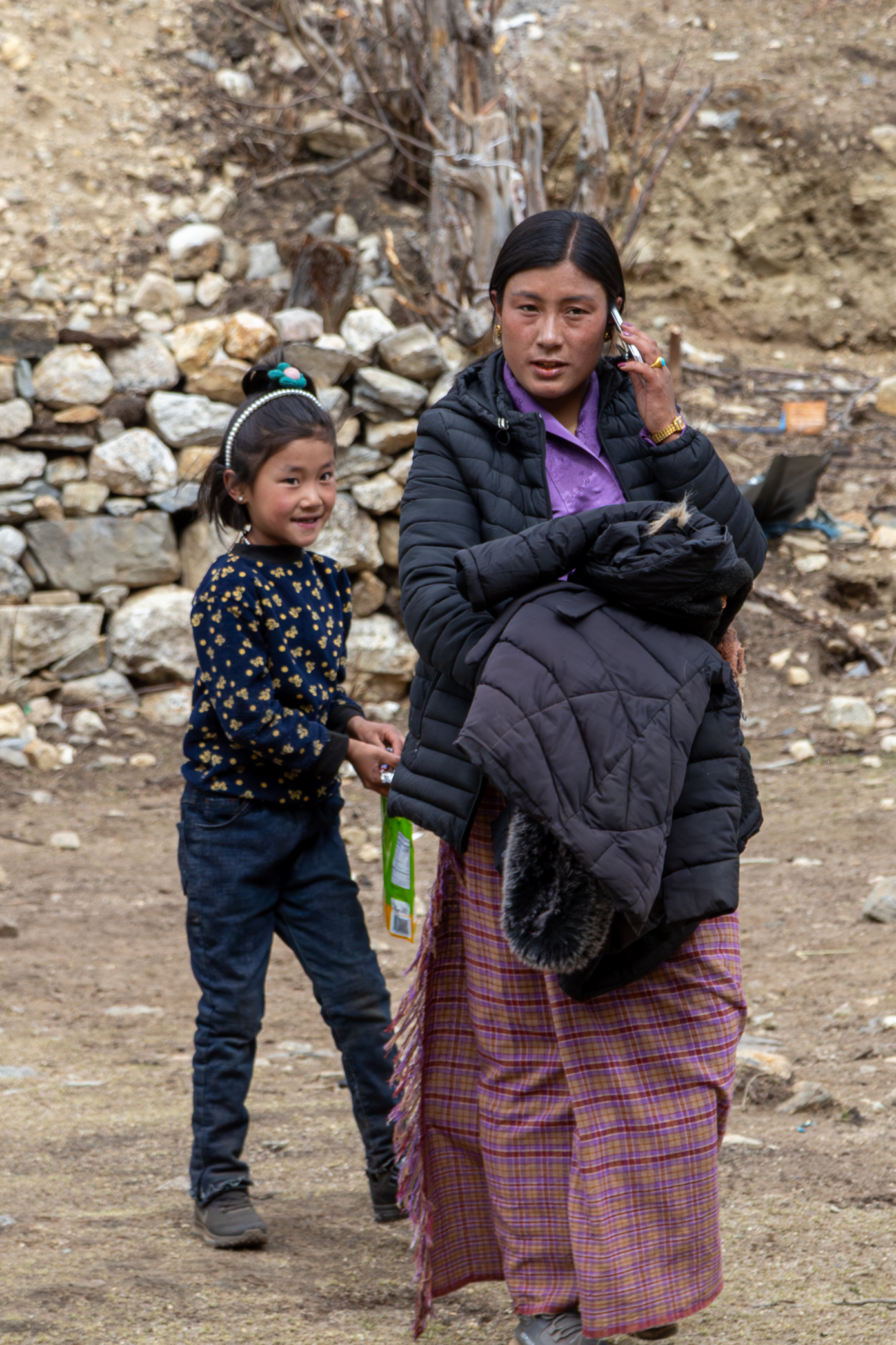
On the way back down the valley the following day, we stopped again in Jangothang village.
Earlier in the trek we had visited the small school there and gave the children a soccer ball.
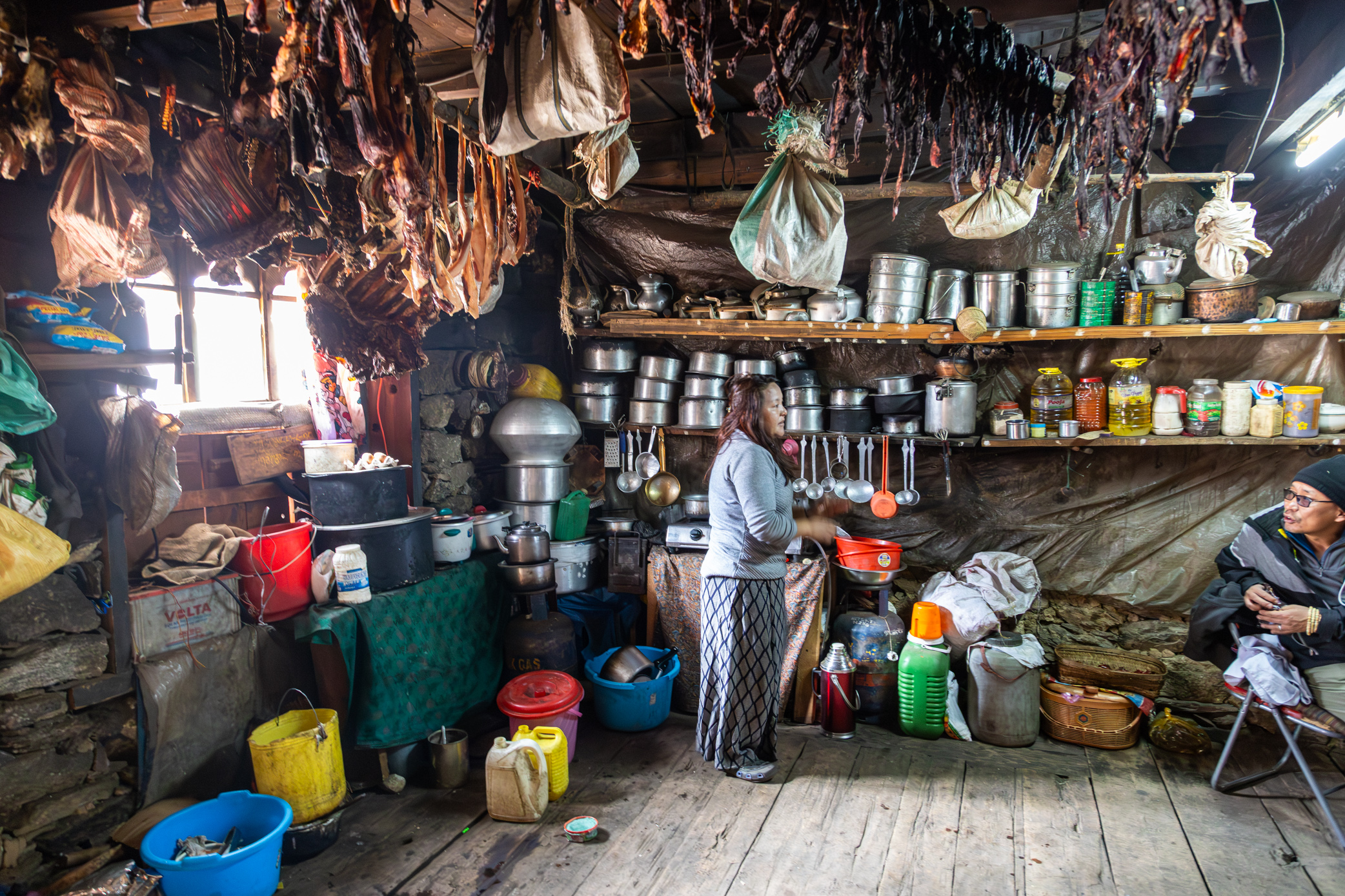
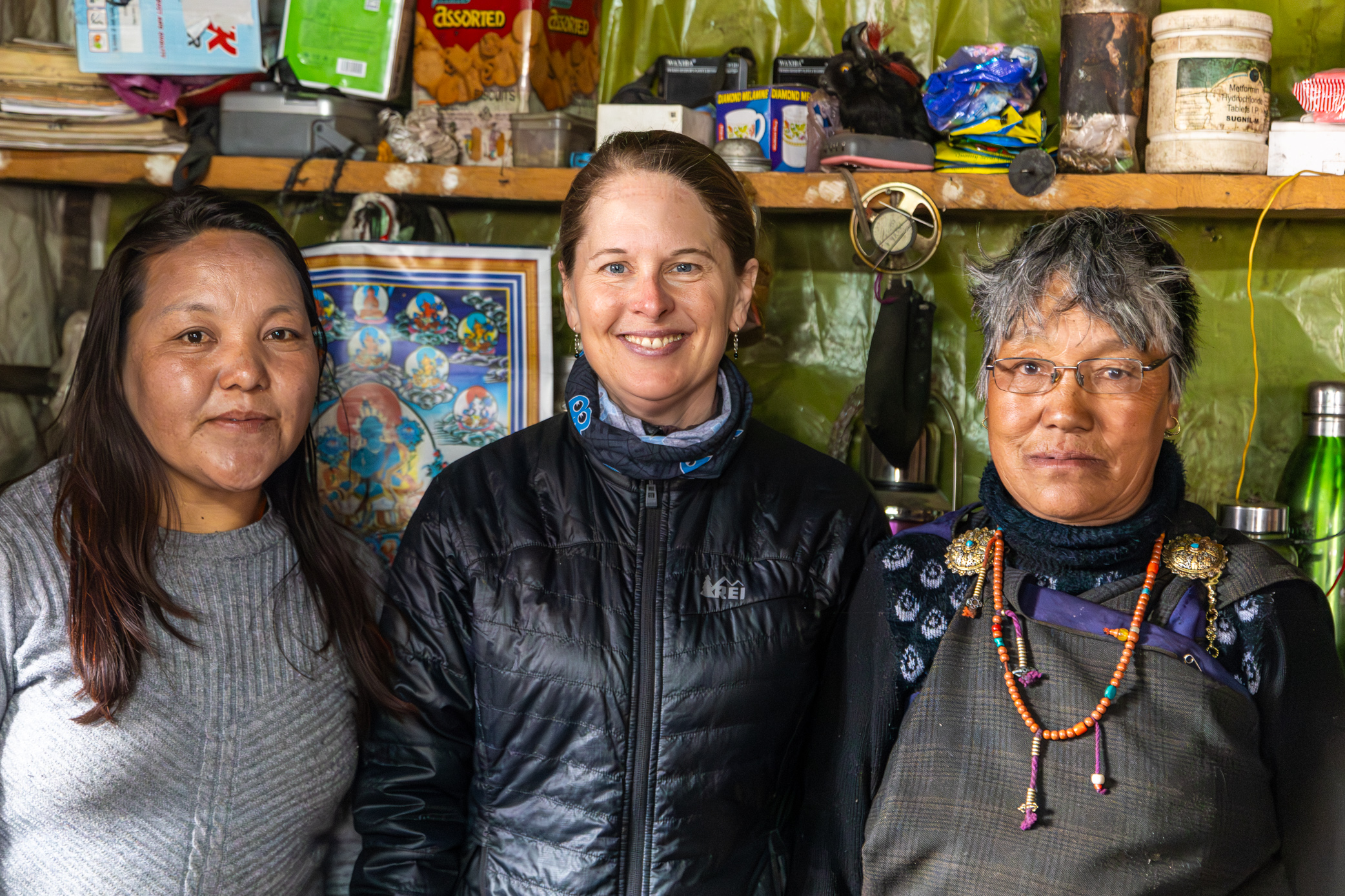
This time, we were invited into the home of the schoolteacher.
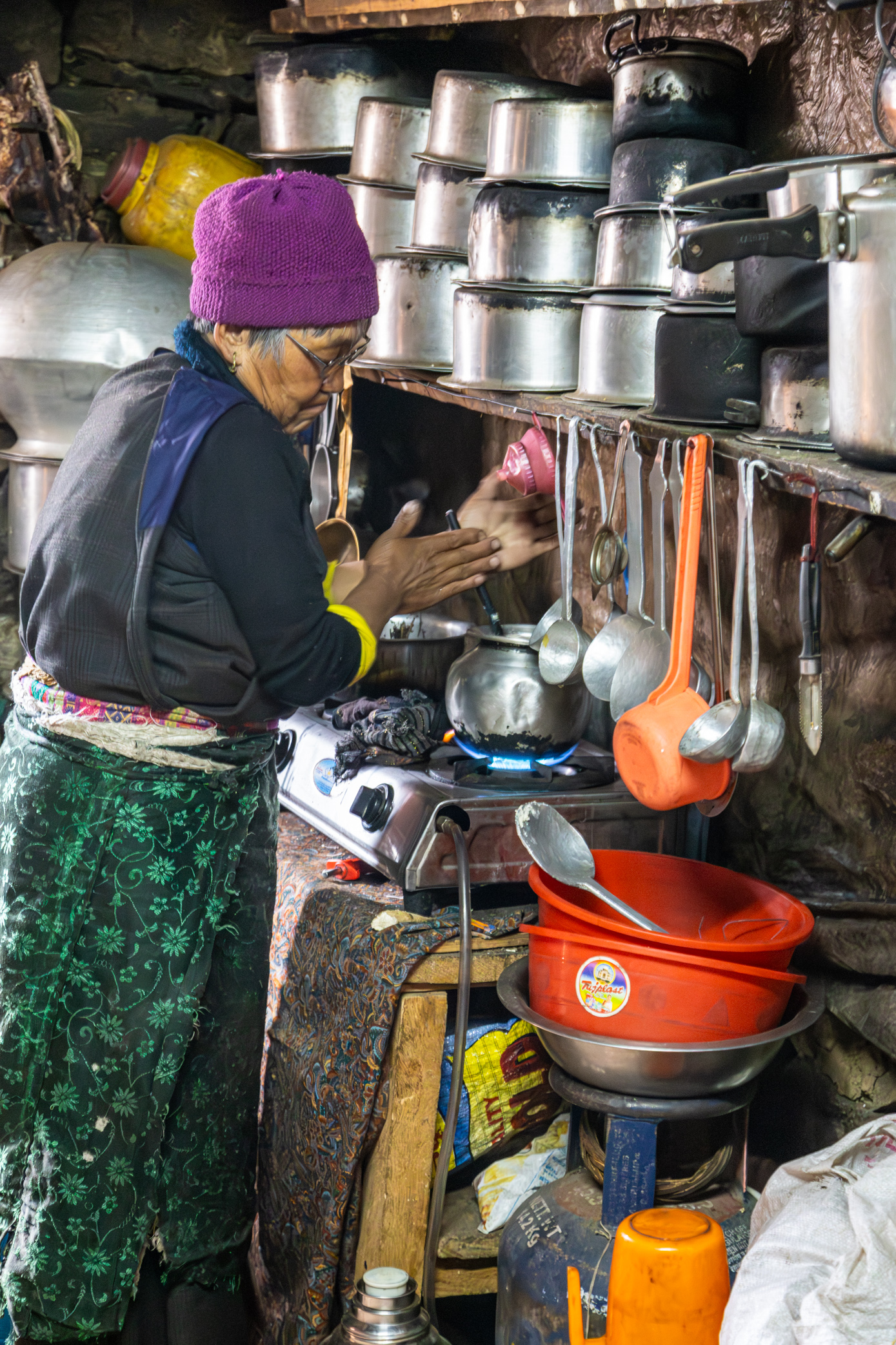
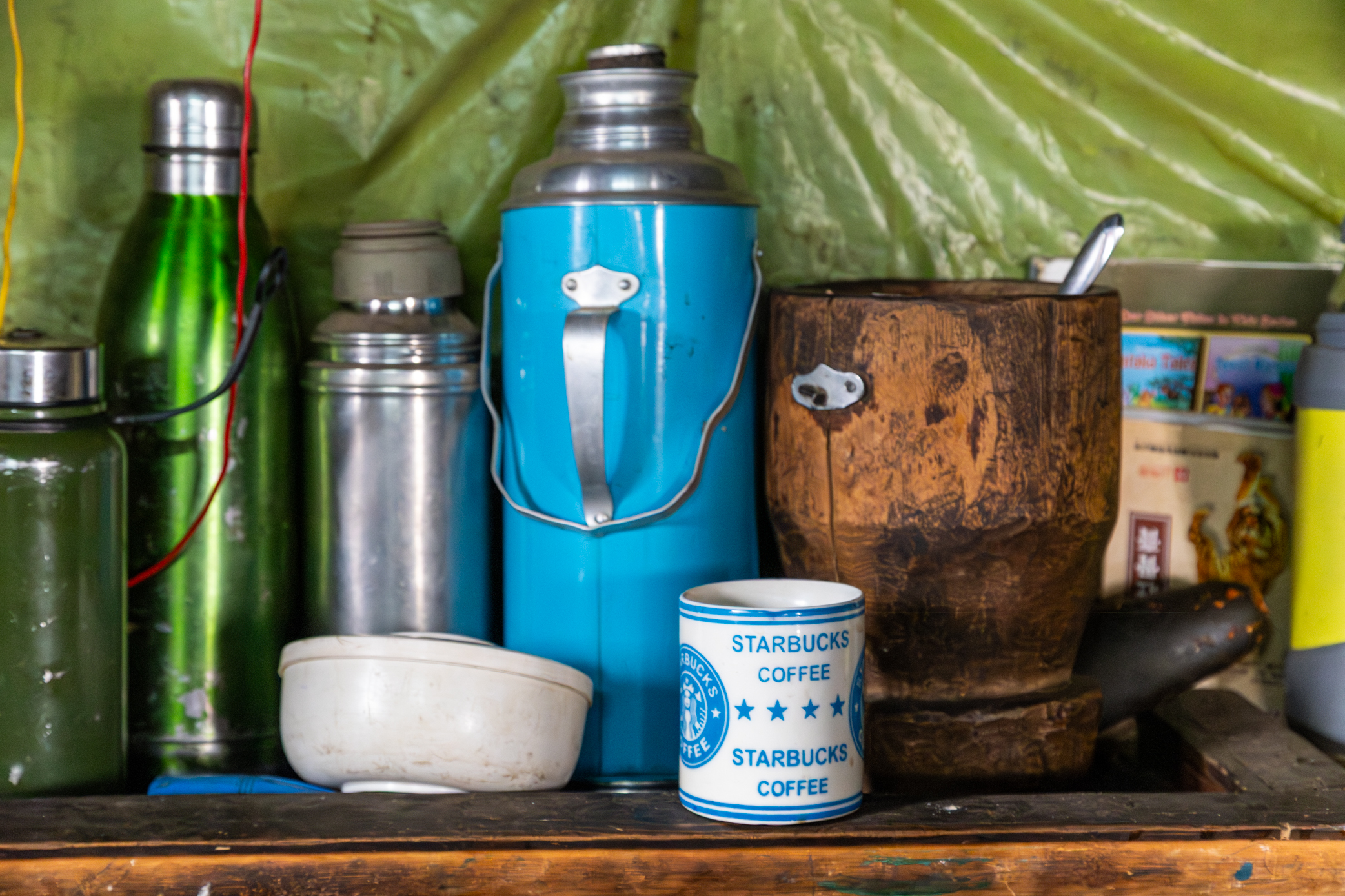
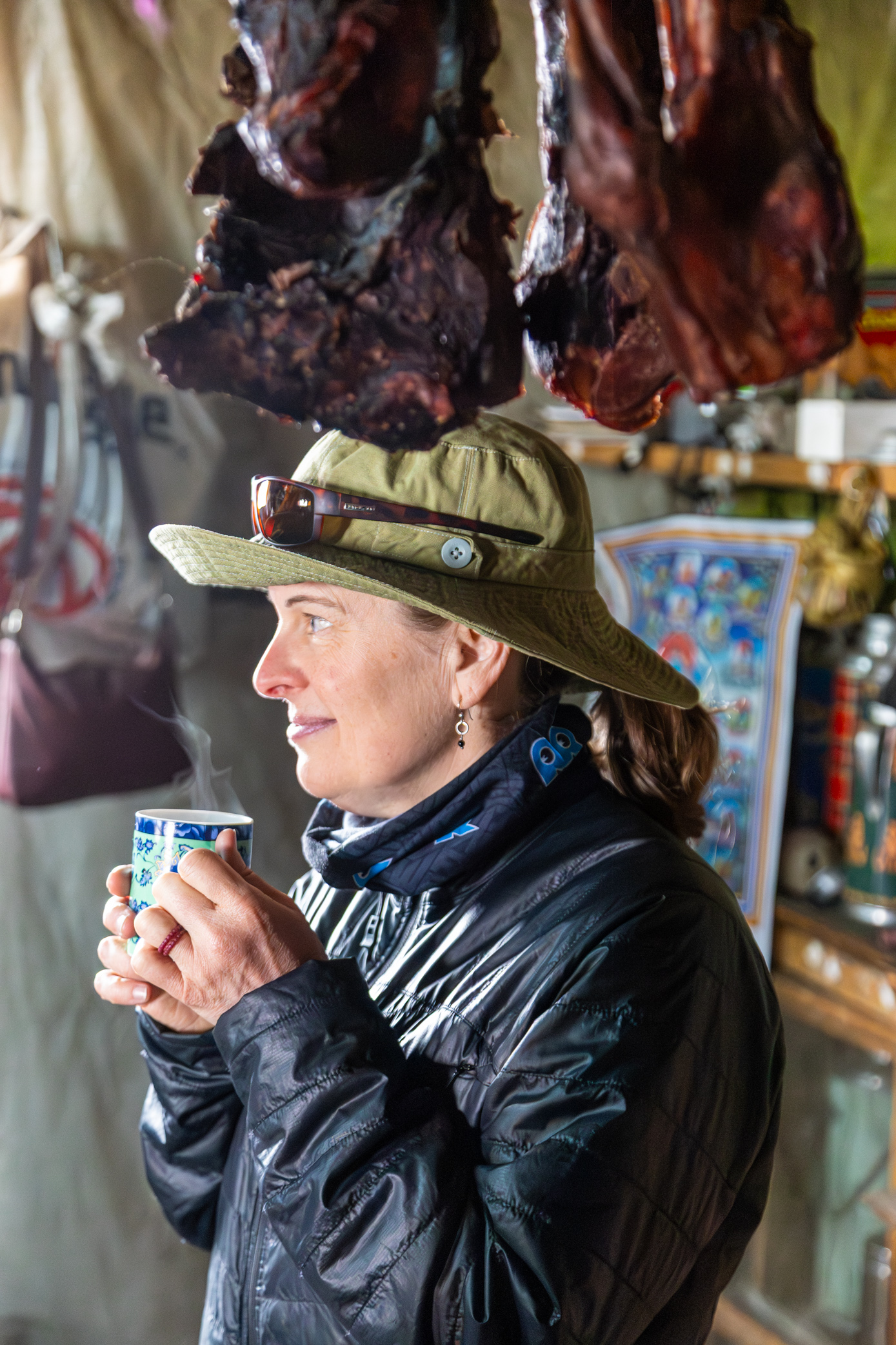
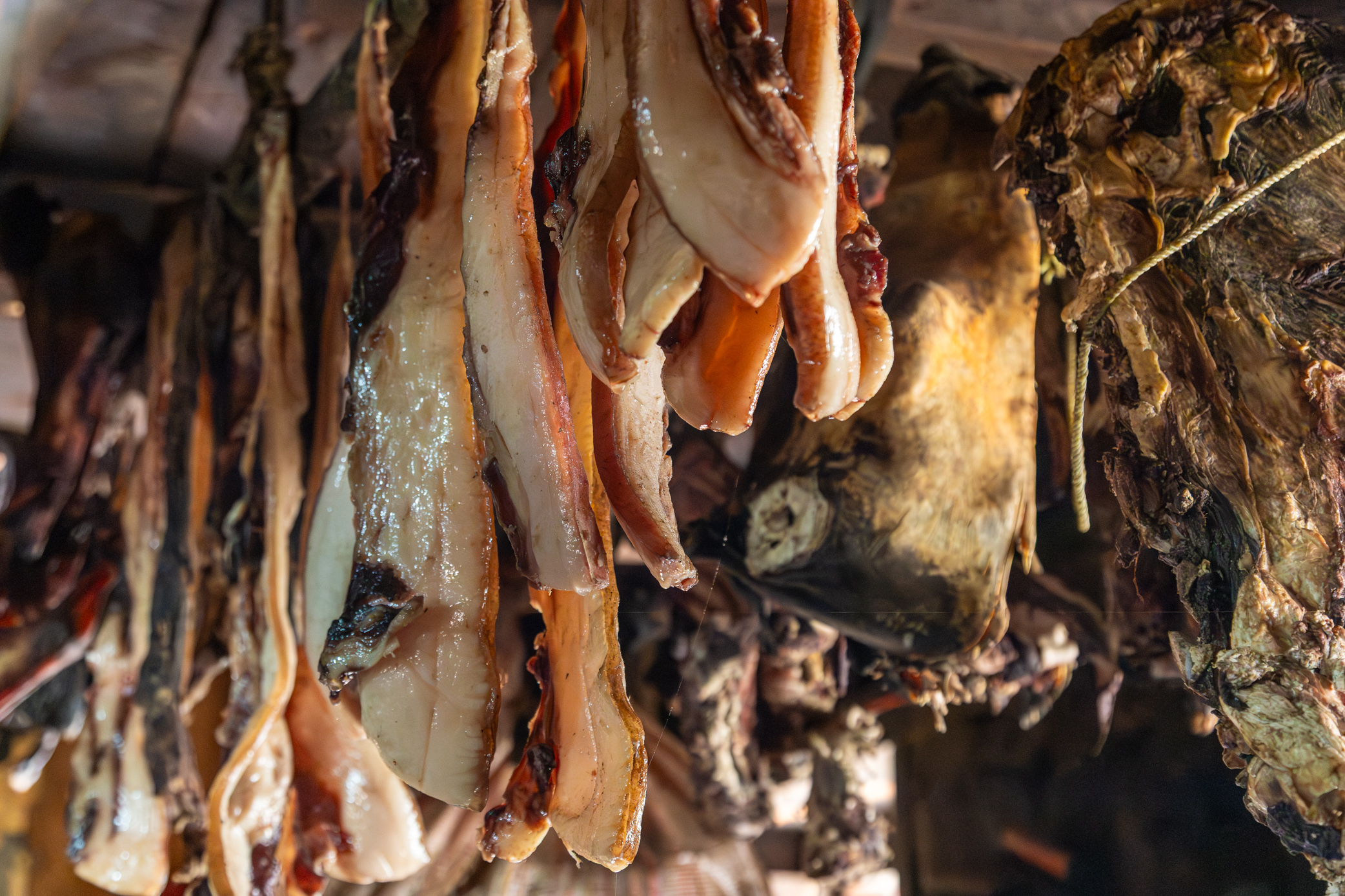
Inside was a single main room with a small stove in the center. Yak bones and other supplies hung from the ceiling while colorful rugs covered the floor.
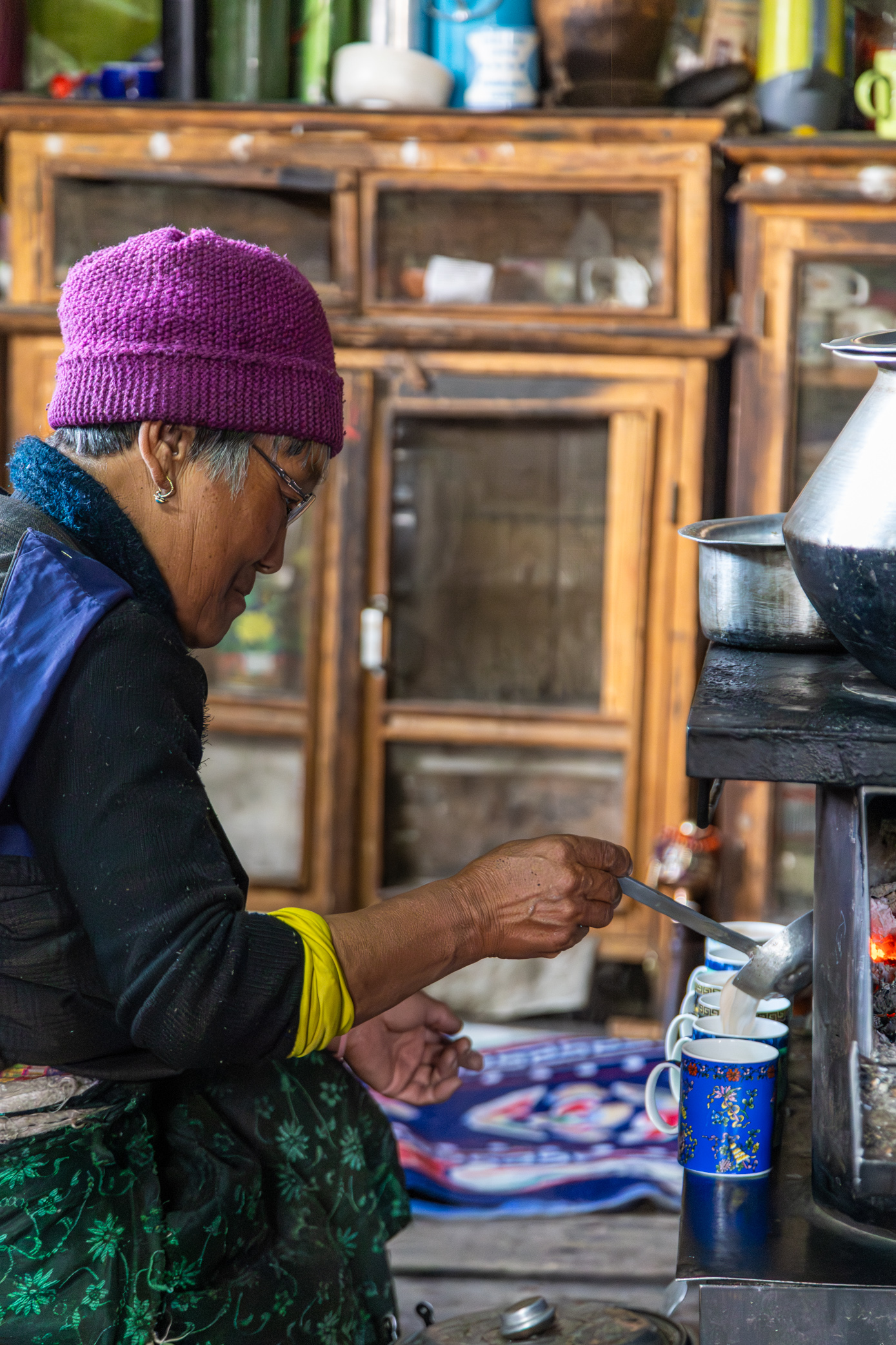
The teacher’s mother immediately began preparing butter tea for us.
Butter tea is made with yak butter and salt, giving it a rich, savory flavor.
Denise loved it.
The rest of us struggled to finish our cups.
Eventually, Denise ended up drinking most of everyone else’s as well.
It was one of those unexpected moments that makes travel special.
Trekking Out of the Valley
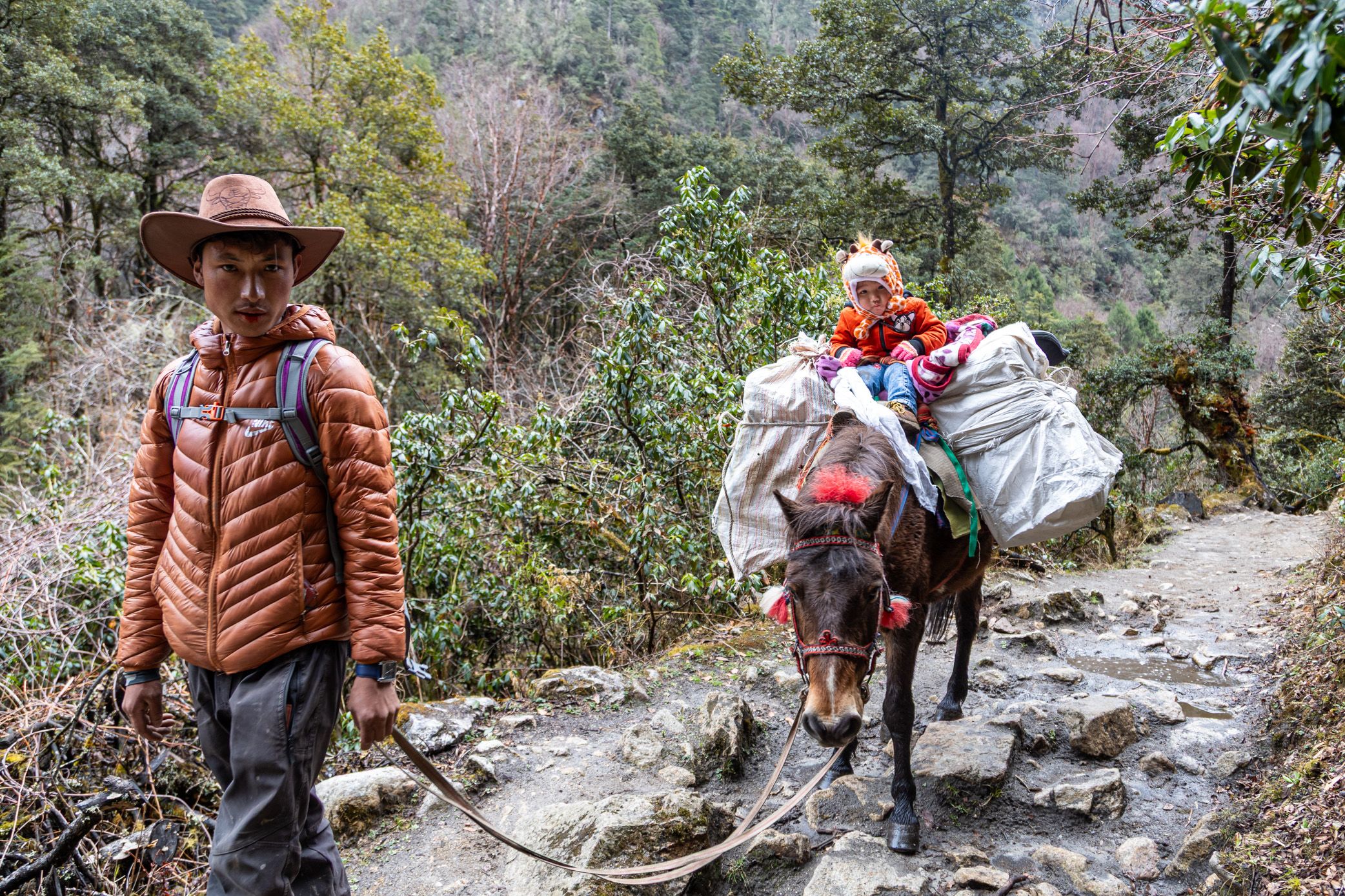
From there, the trek back down the valley was fairly uneventful.
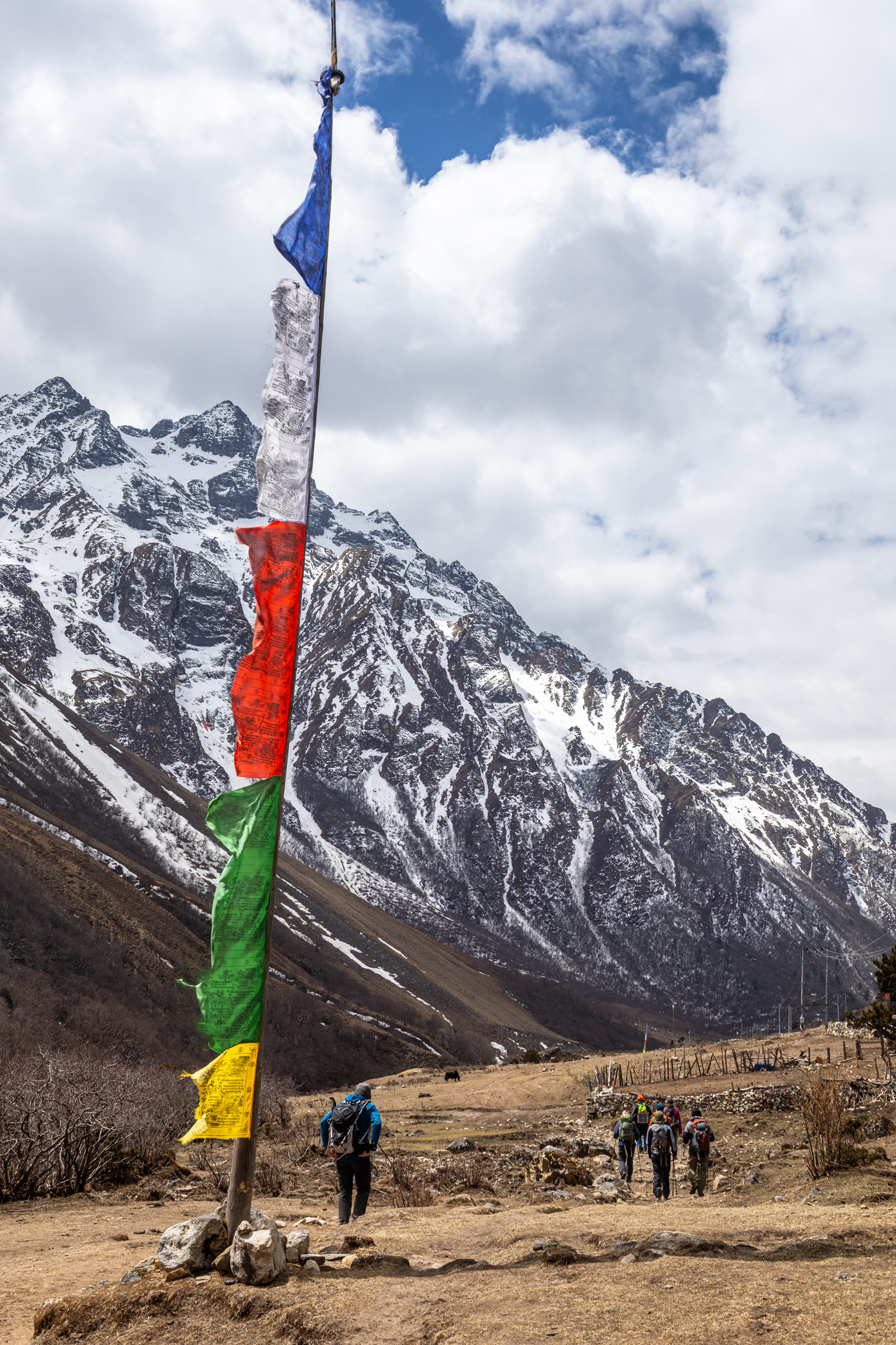
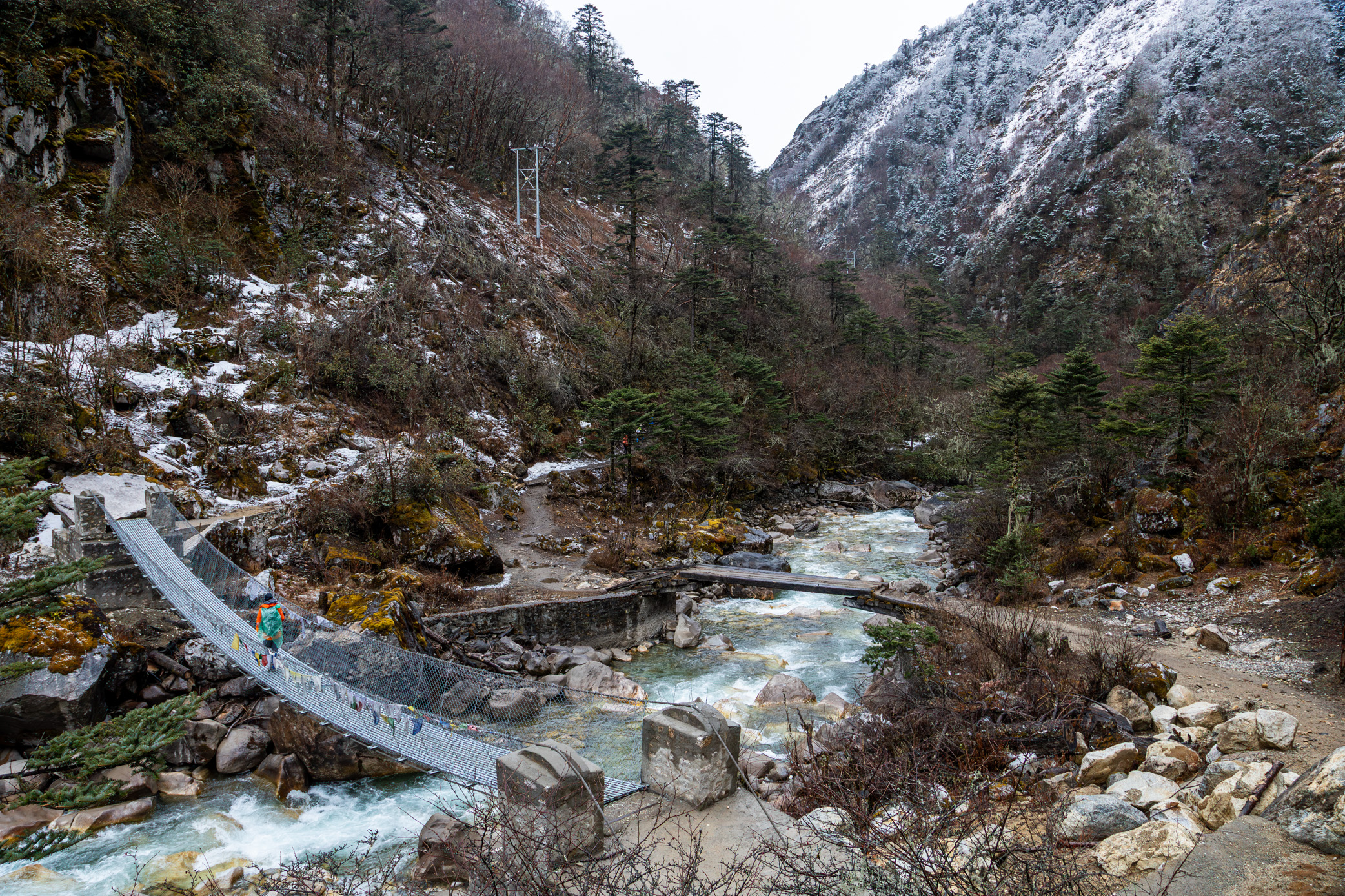
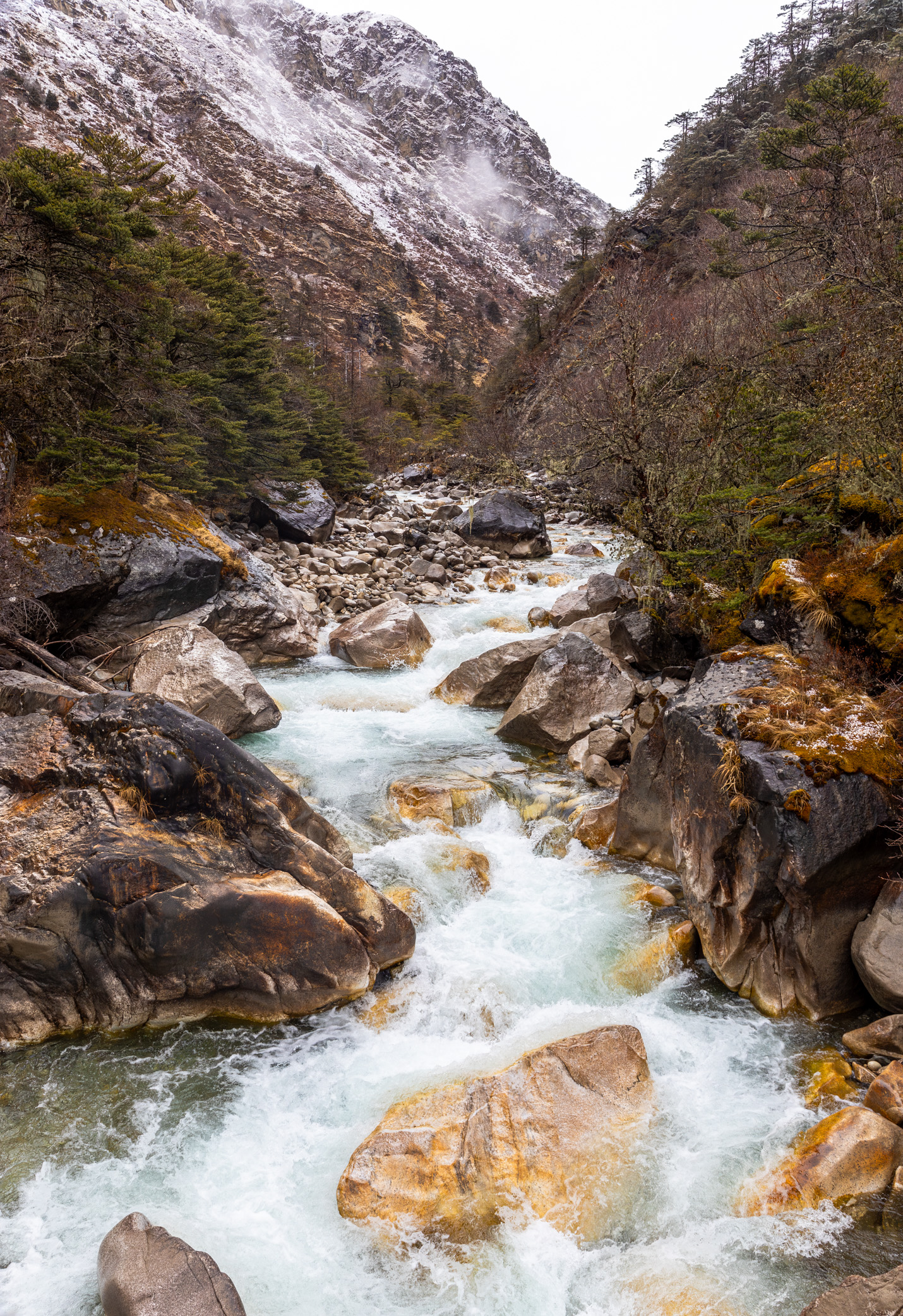
We retraced the trail through the same forests and river valleys we had climbed earlier in the week.
By this point, the altitude felt much easier, and we could enjoy the scenery without the physical strain of climbing.
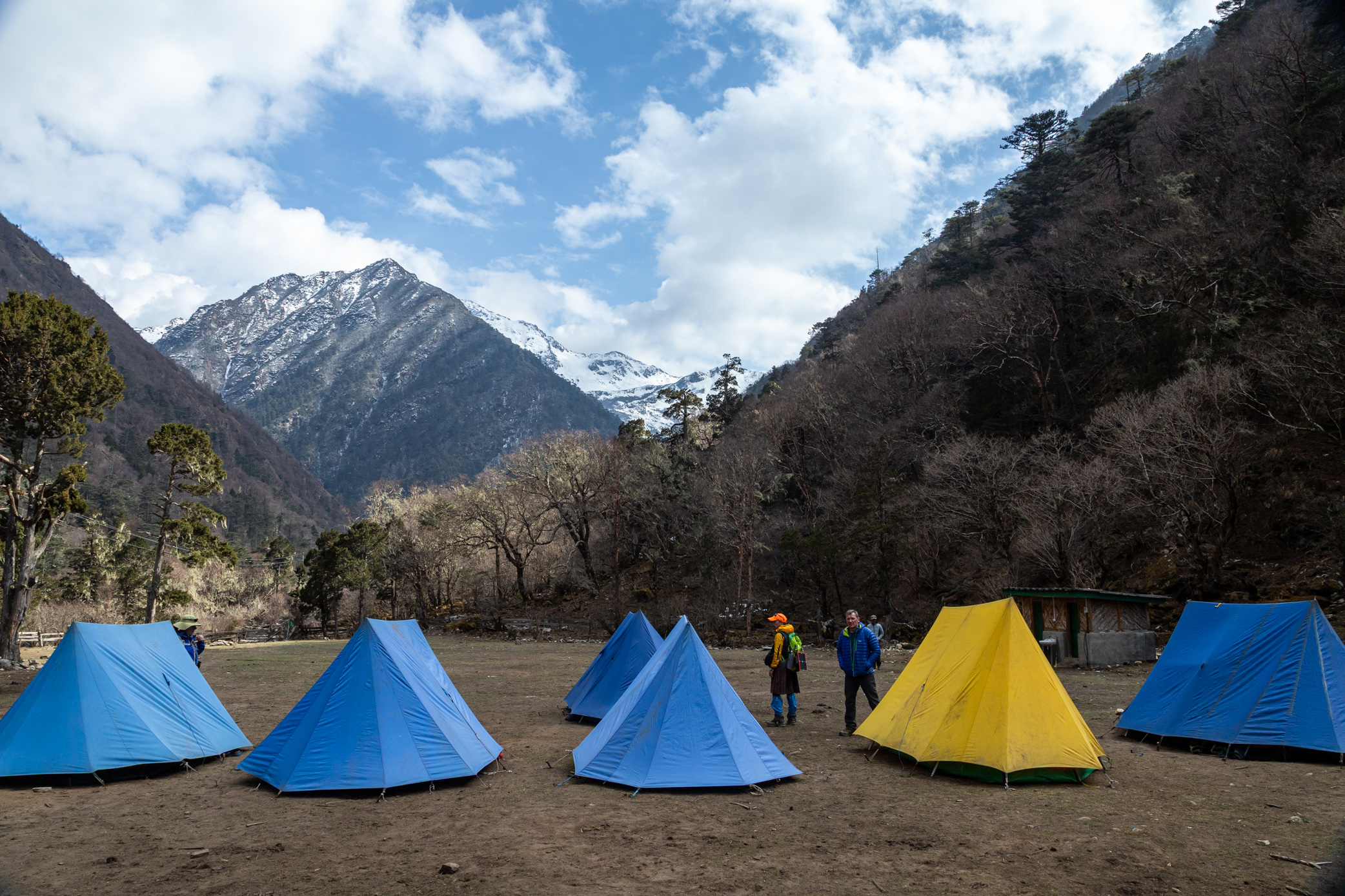
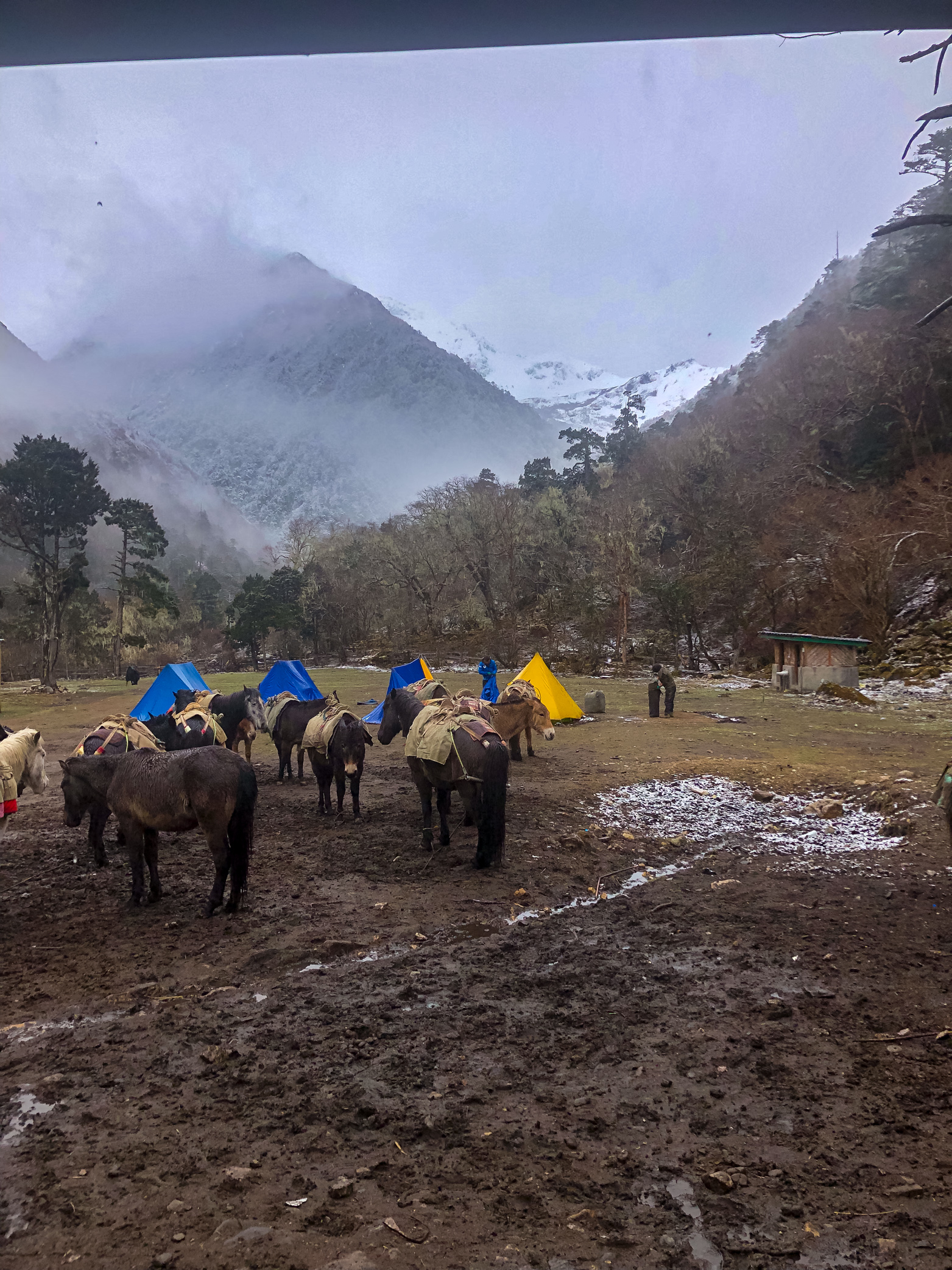
That evening back at Thang Thanka, the guides surprised us by opening a few bottles of Druk 10,000 beer.
Soon the porters joined in and began performing traditional dances.
It turned into a celebration of sorts—our way of marking the end of an incredible trek.
The Final Trekking Day
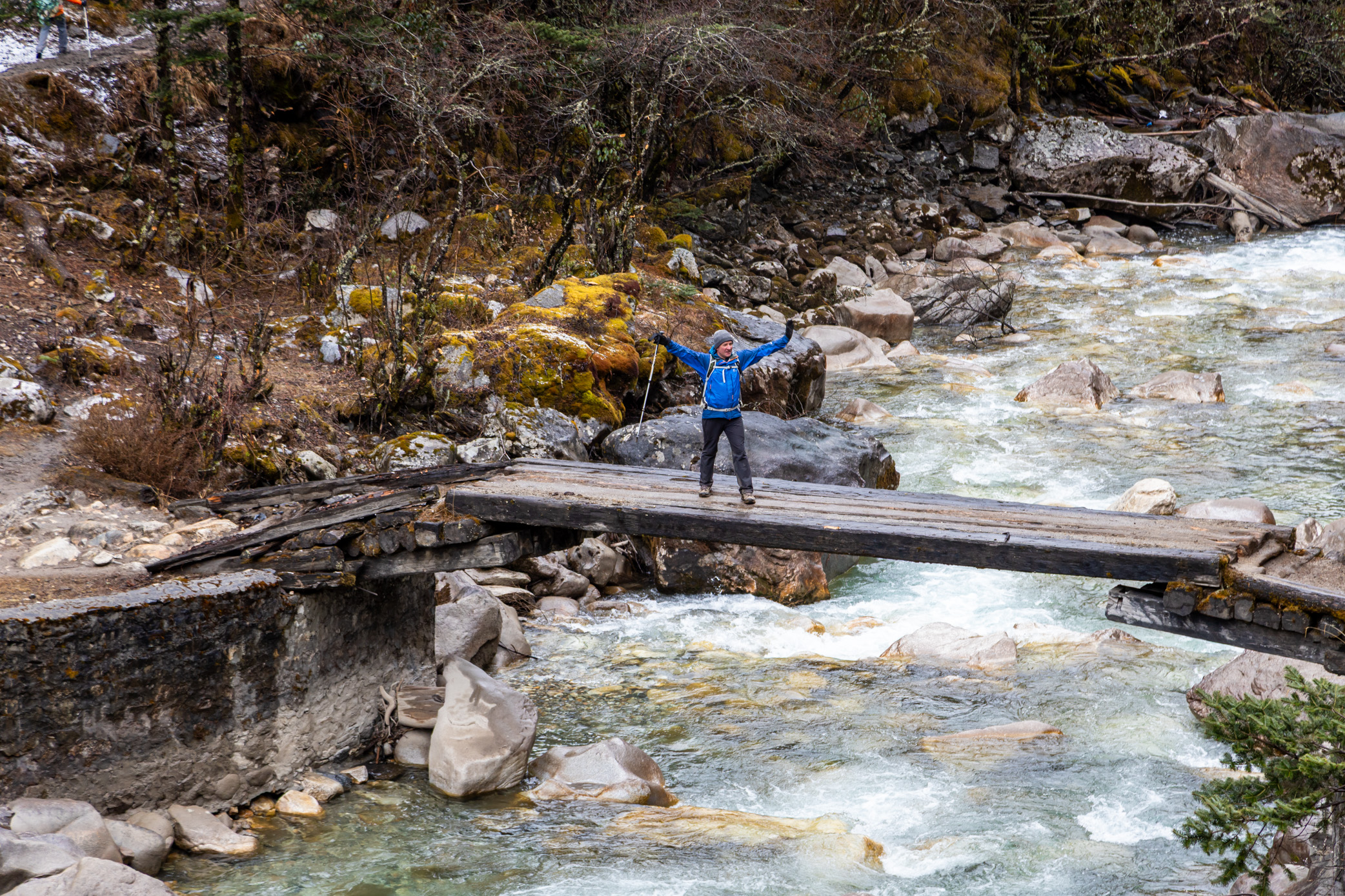
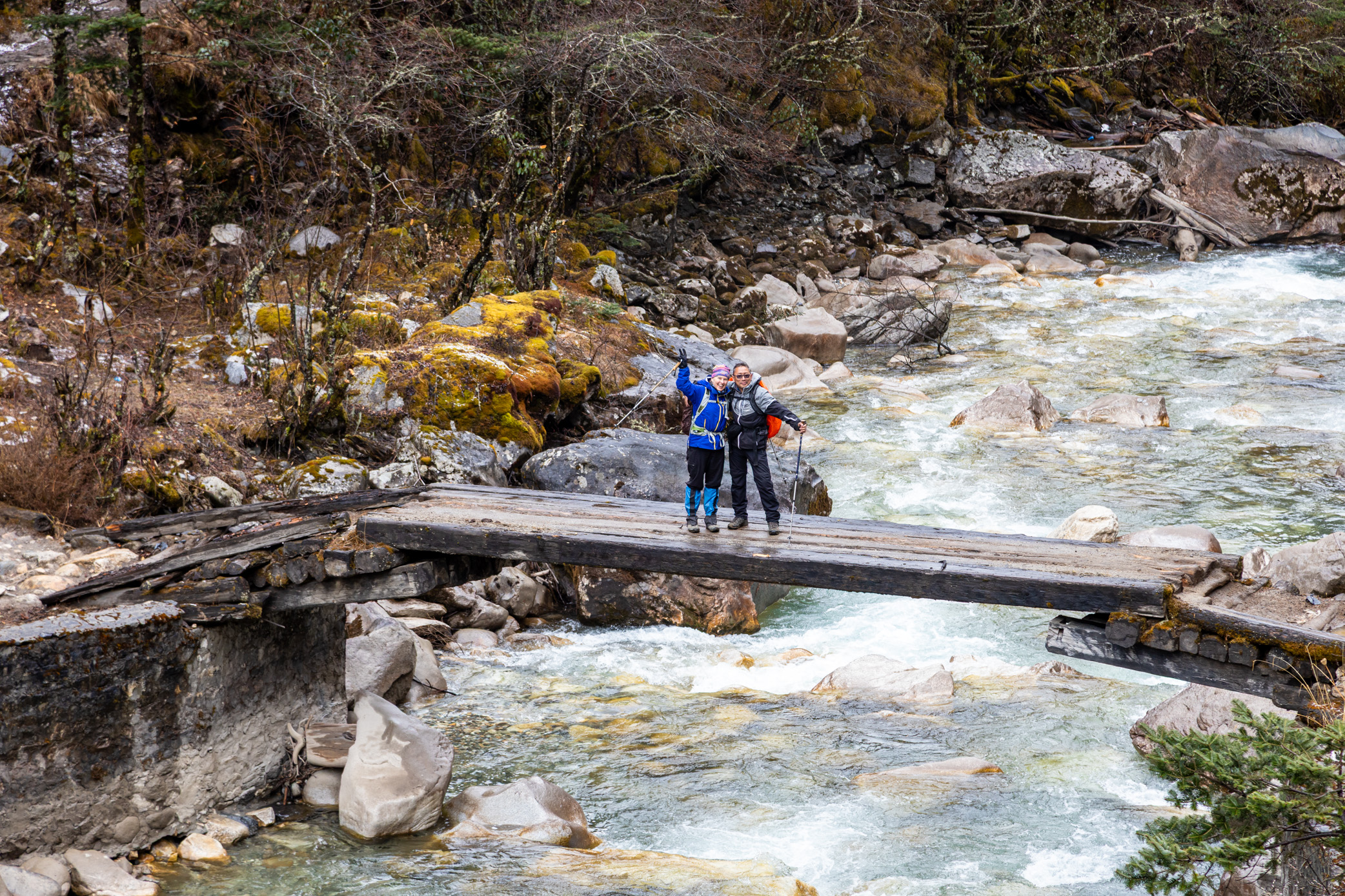
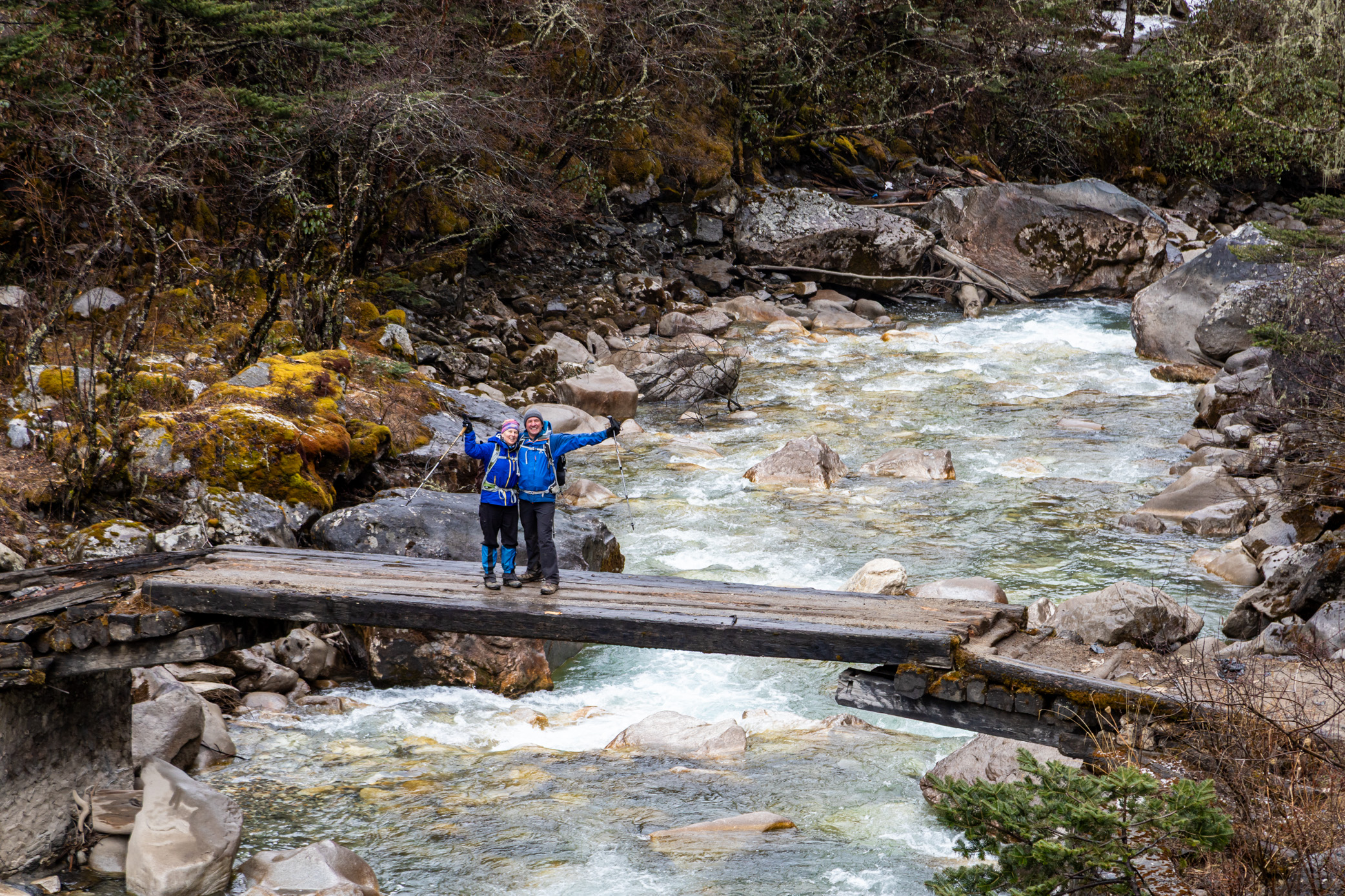
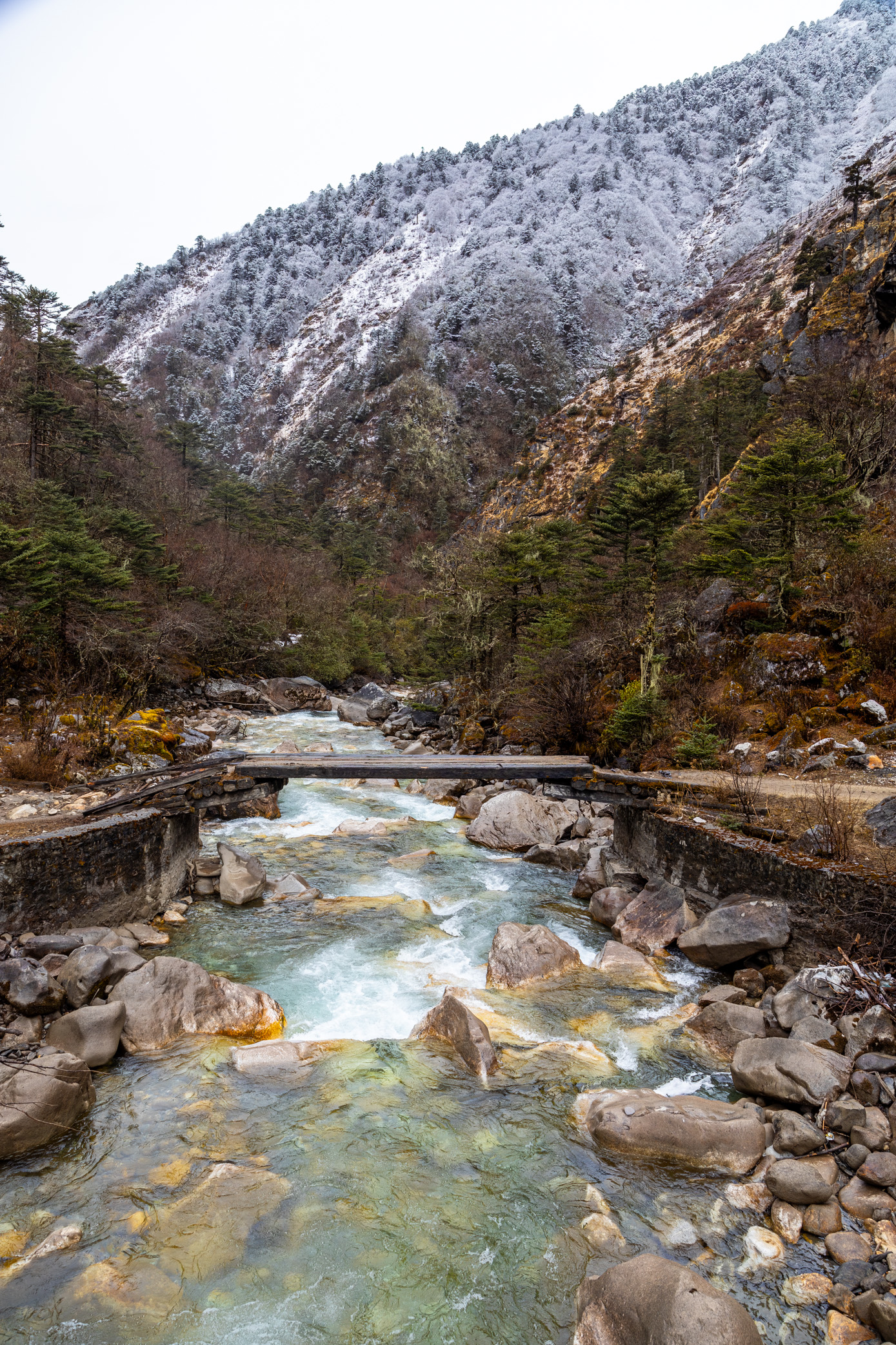
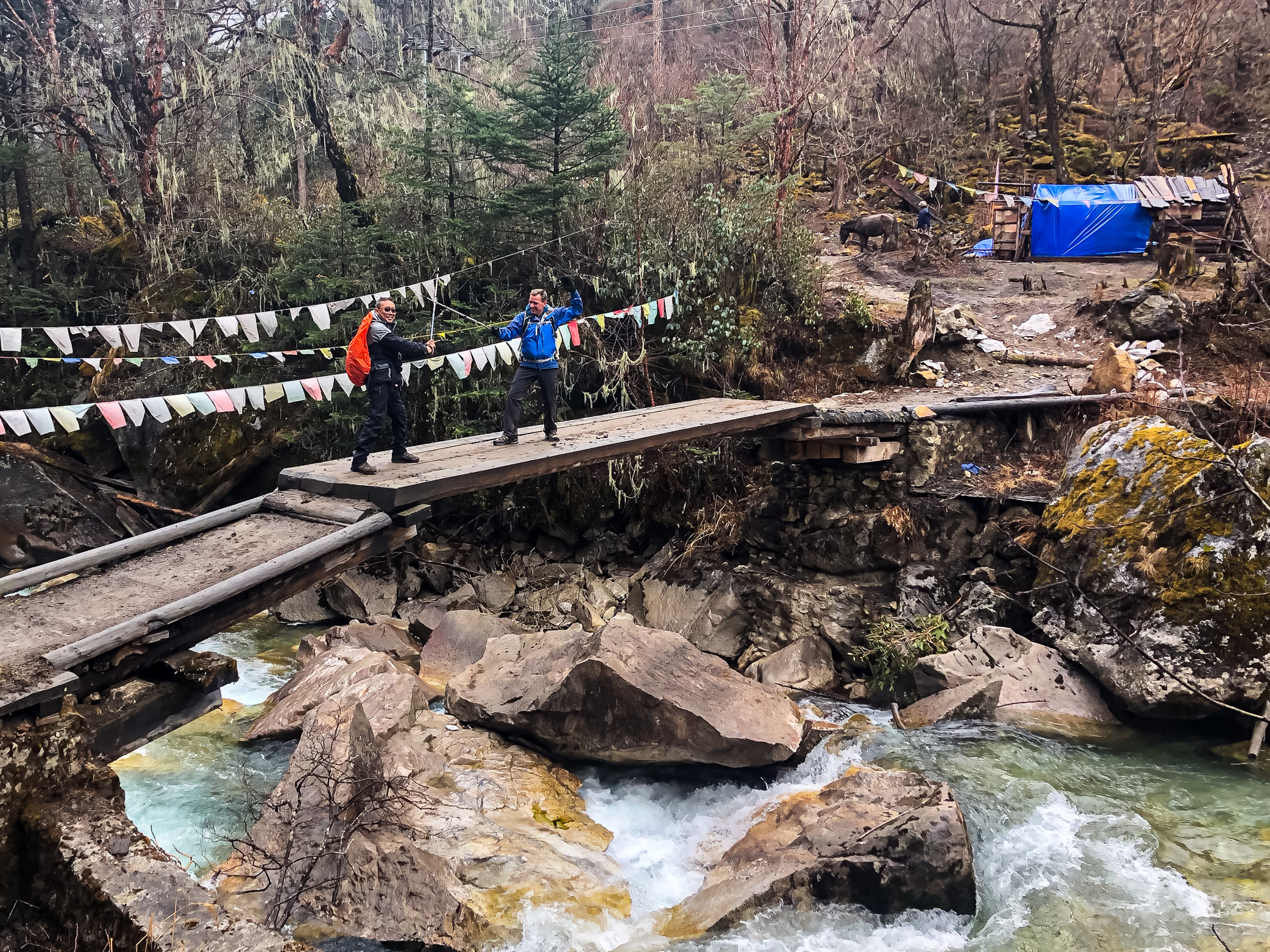
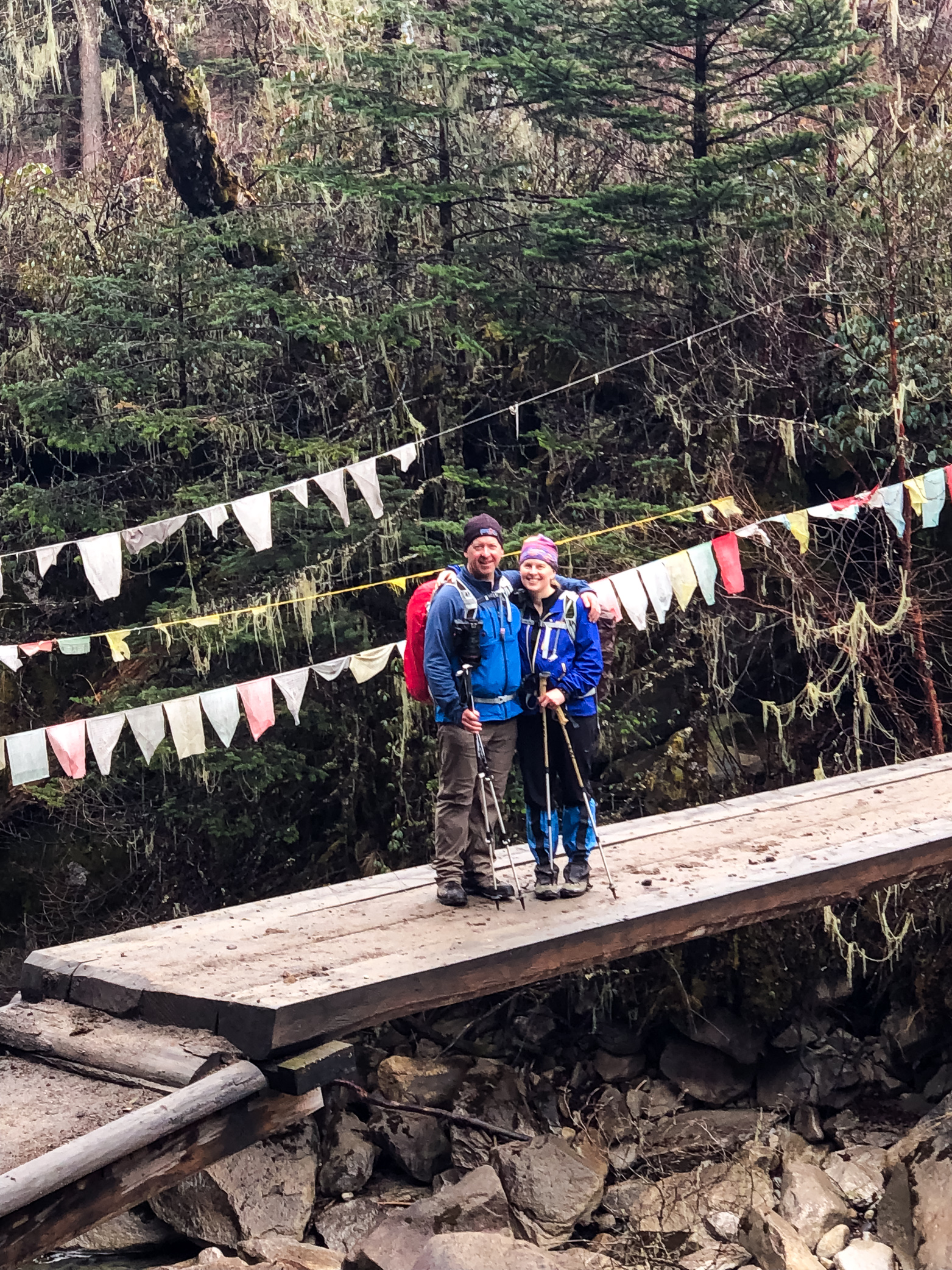
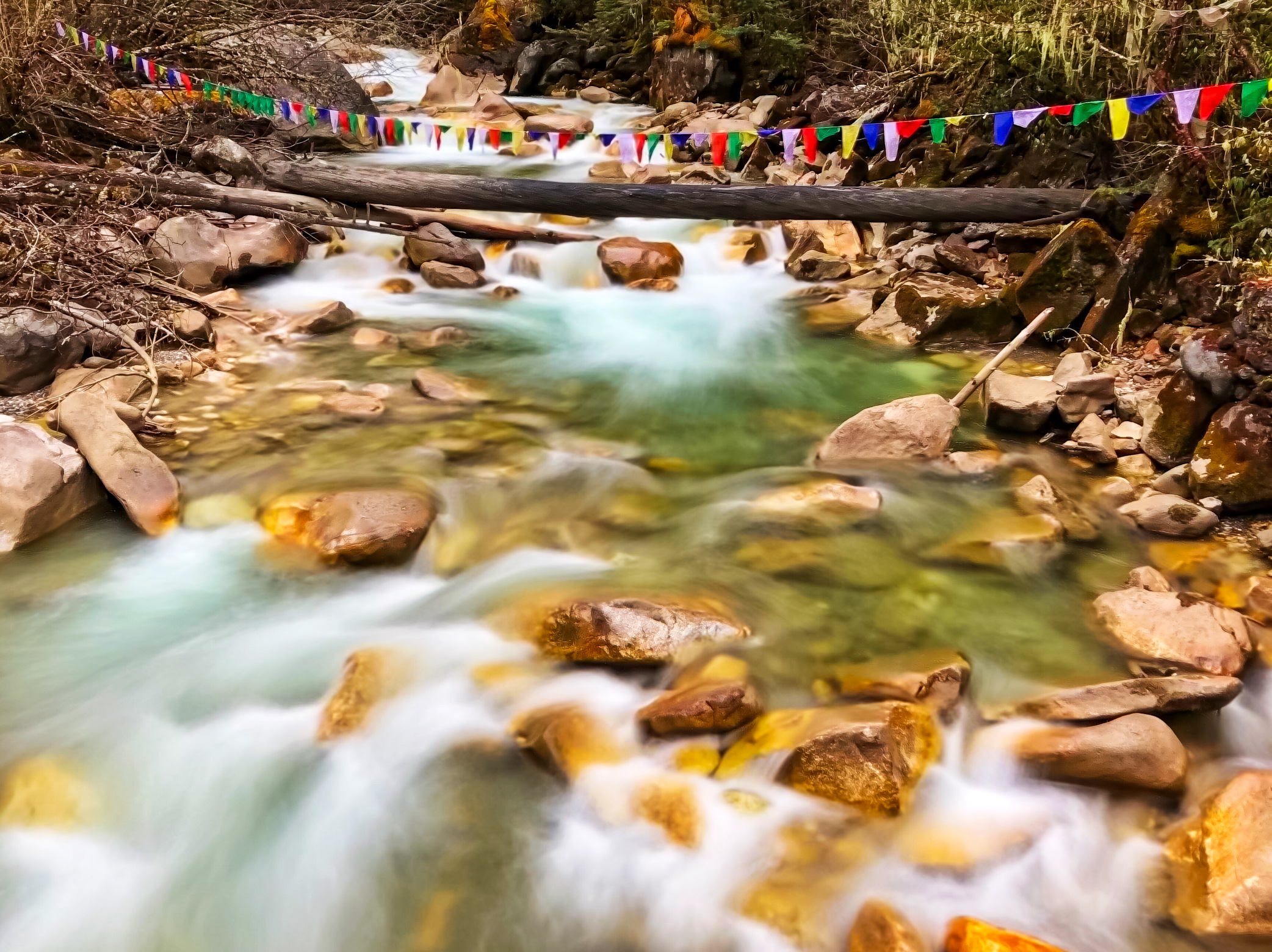
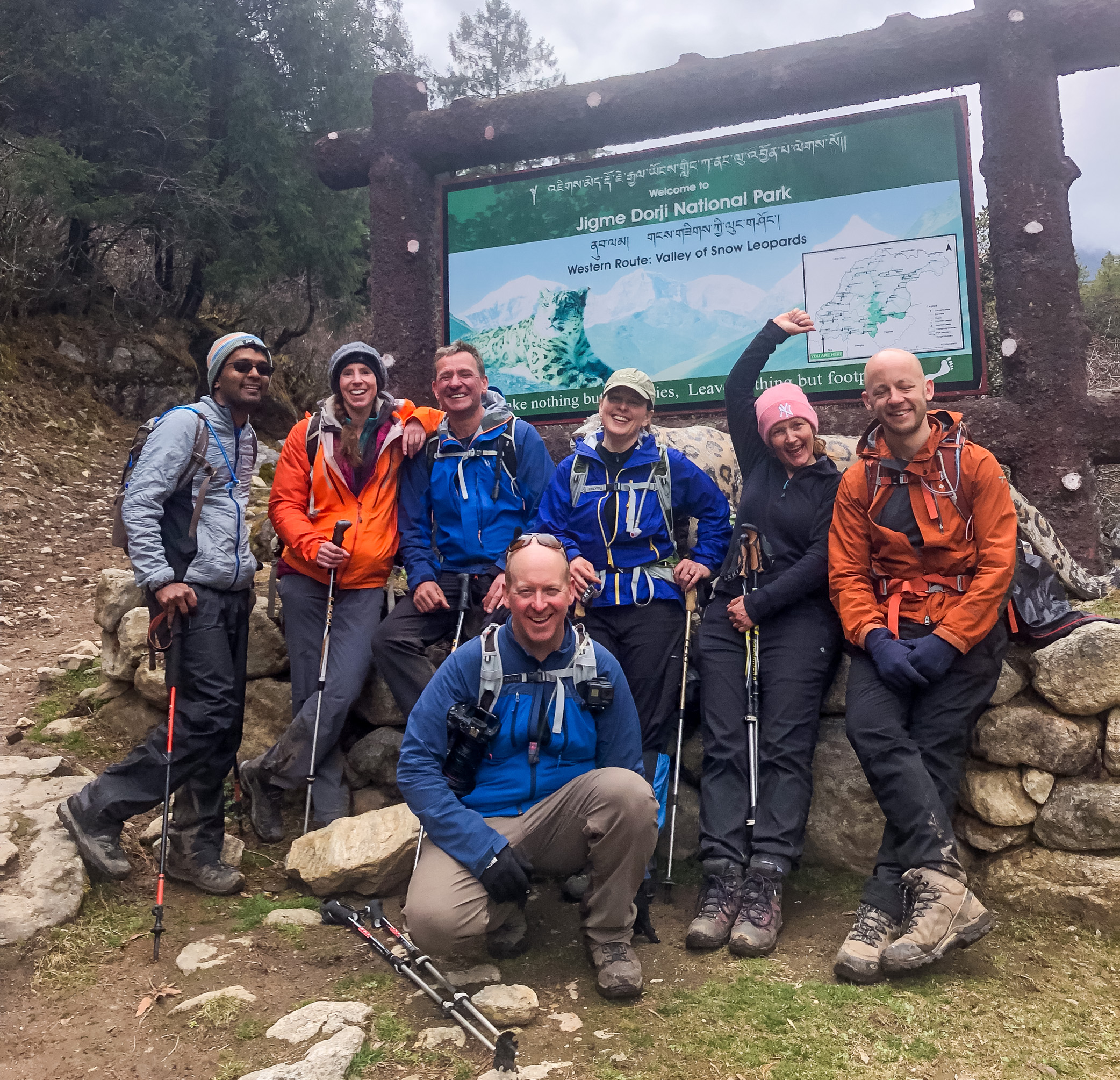
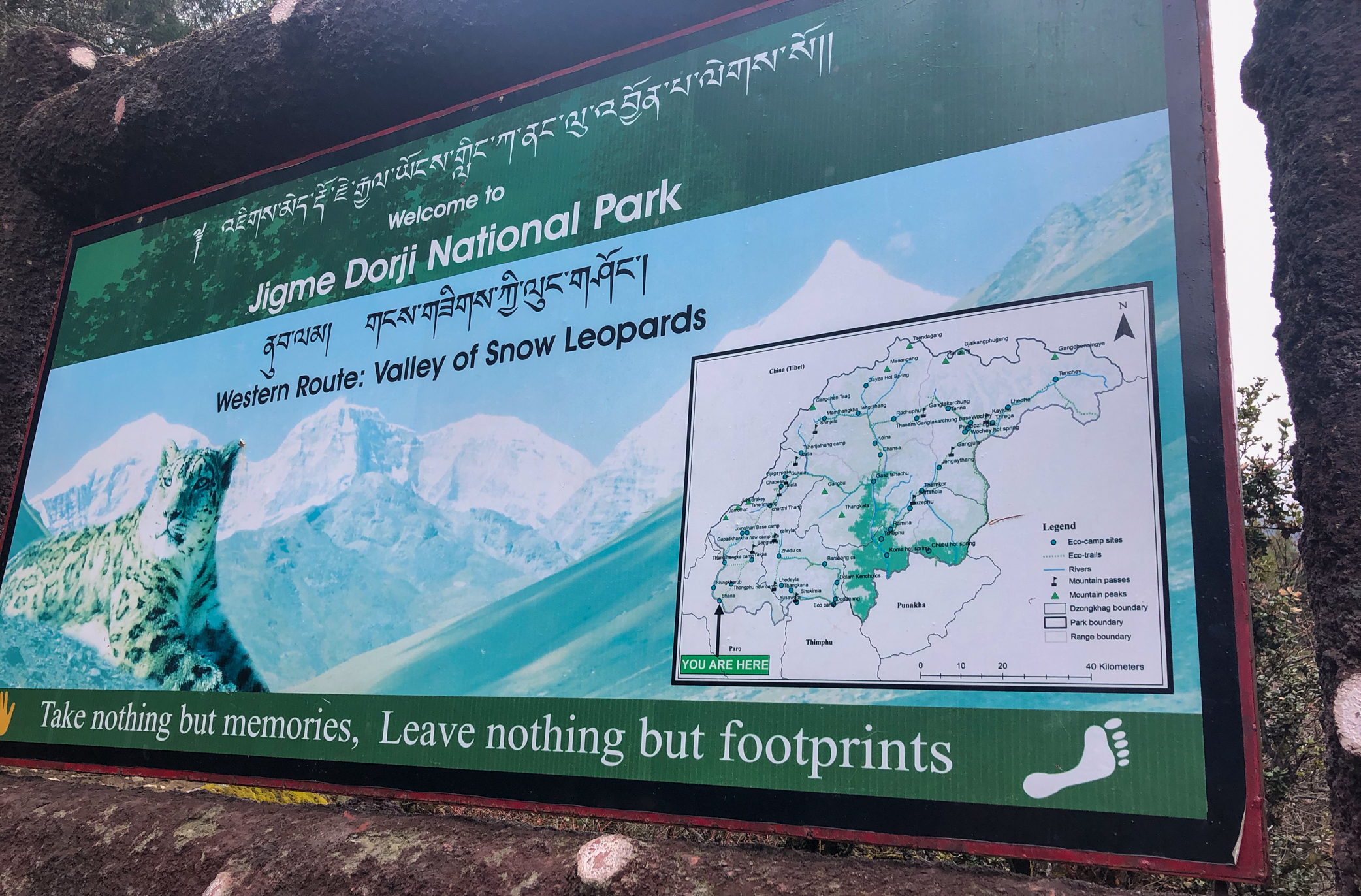
Our final trekking day followed the Paro River back down to Shana, completing the loop.
- Distance: 9.5 miles
The hike itself felt long but mostly easy.
Part of me was sad that the trek was ending.
But another part of me was very excited about one thing.
A warm bed.

From Trail to City: Traveling to Thimphu
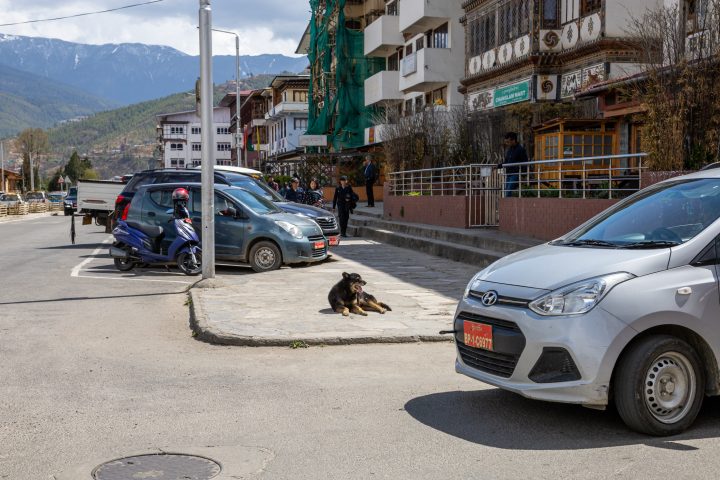
After the trek, we made our way by van to Thimphu.
The transition felt a little surreal.
After days spent in tents, mountain huts, and remote valleys, everything suddenly felt louder, warmer, and far more comfortable.
A real room.
A hot shower.
A soft bed.
Simple things—but after a week in the mountains, they felt like luxuries.
A Quiet Stop in the Hills
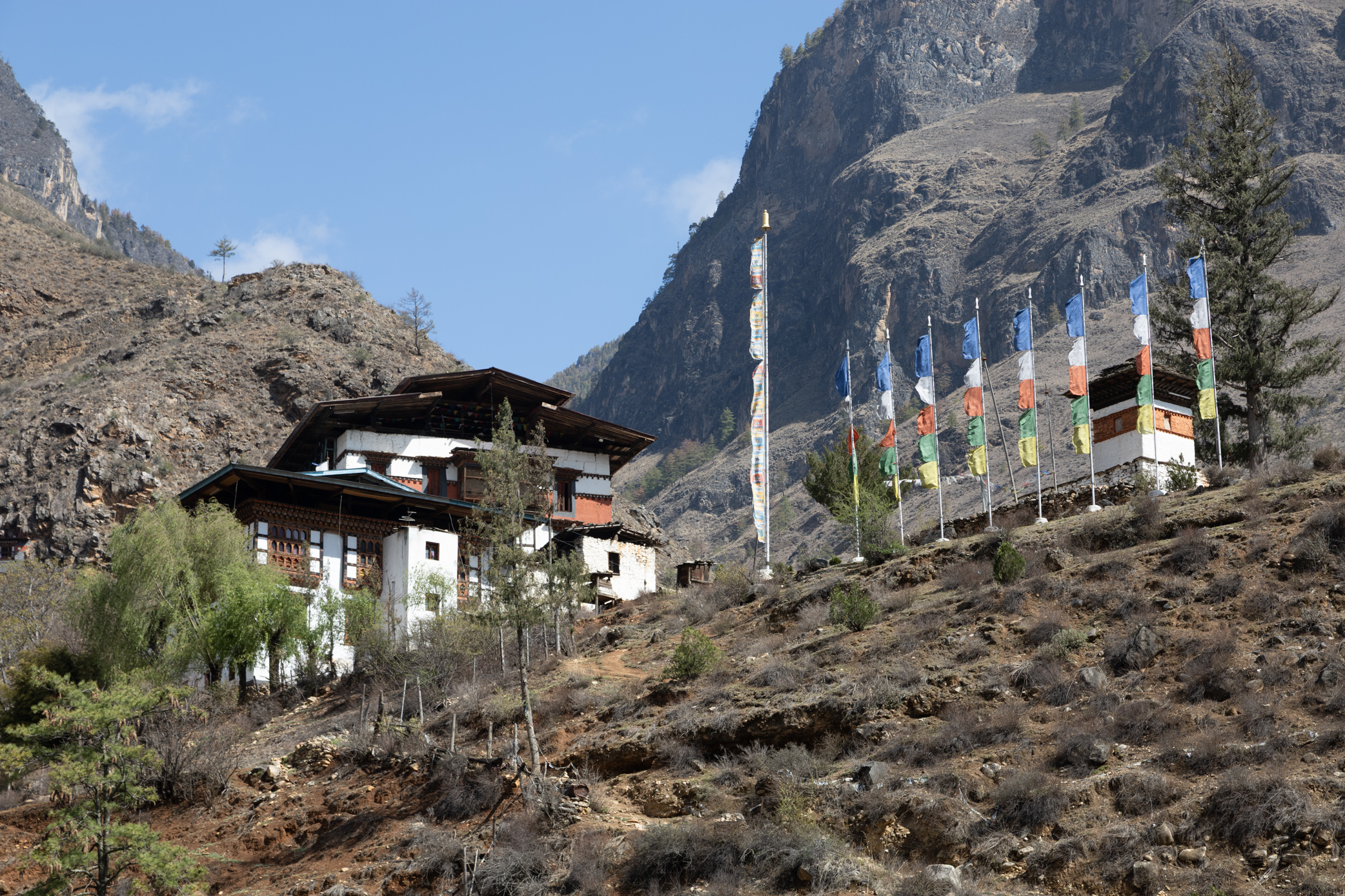
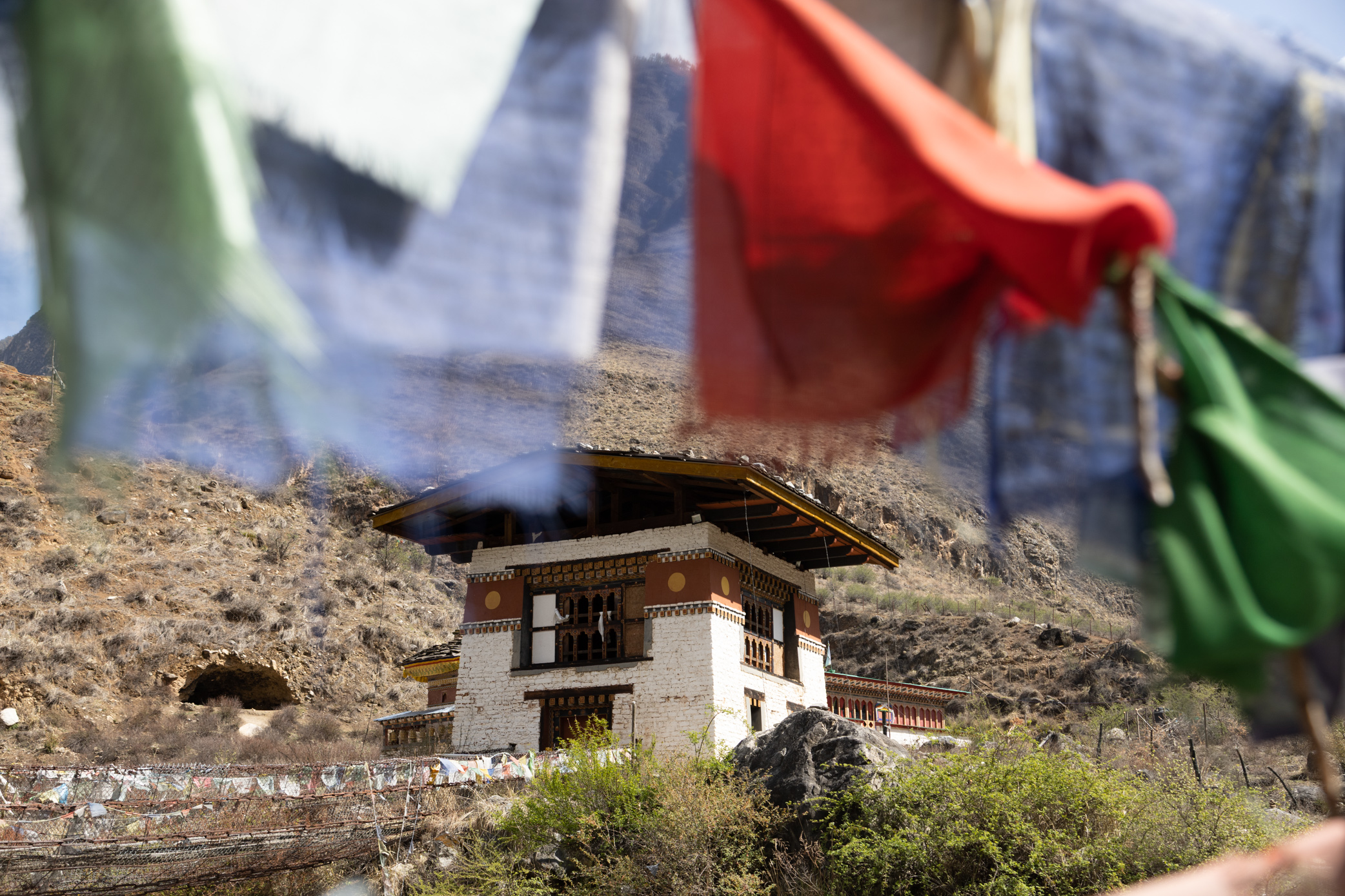
Before settling fully into the city, we stopped at a small monastery tucked into the hillside above the valley.
It wasn’t a major landmark. No crowds or tour buses.
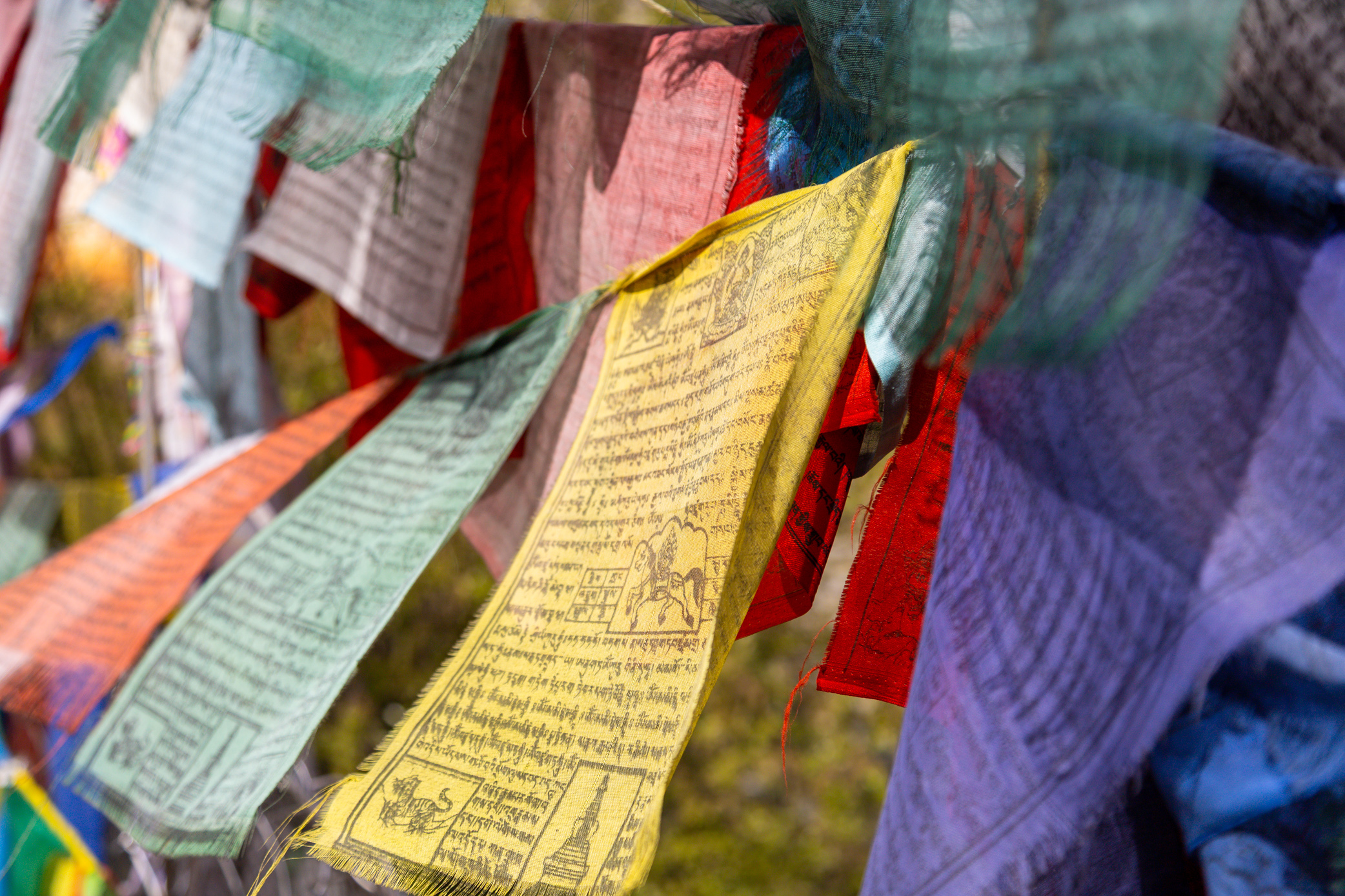
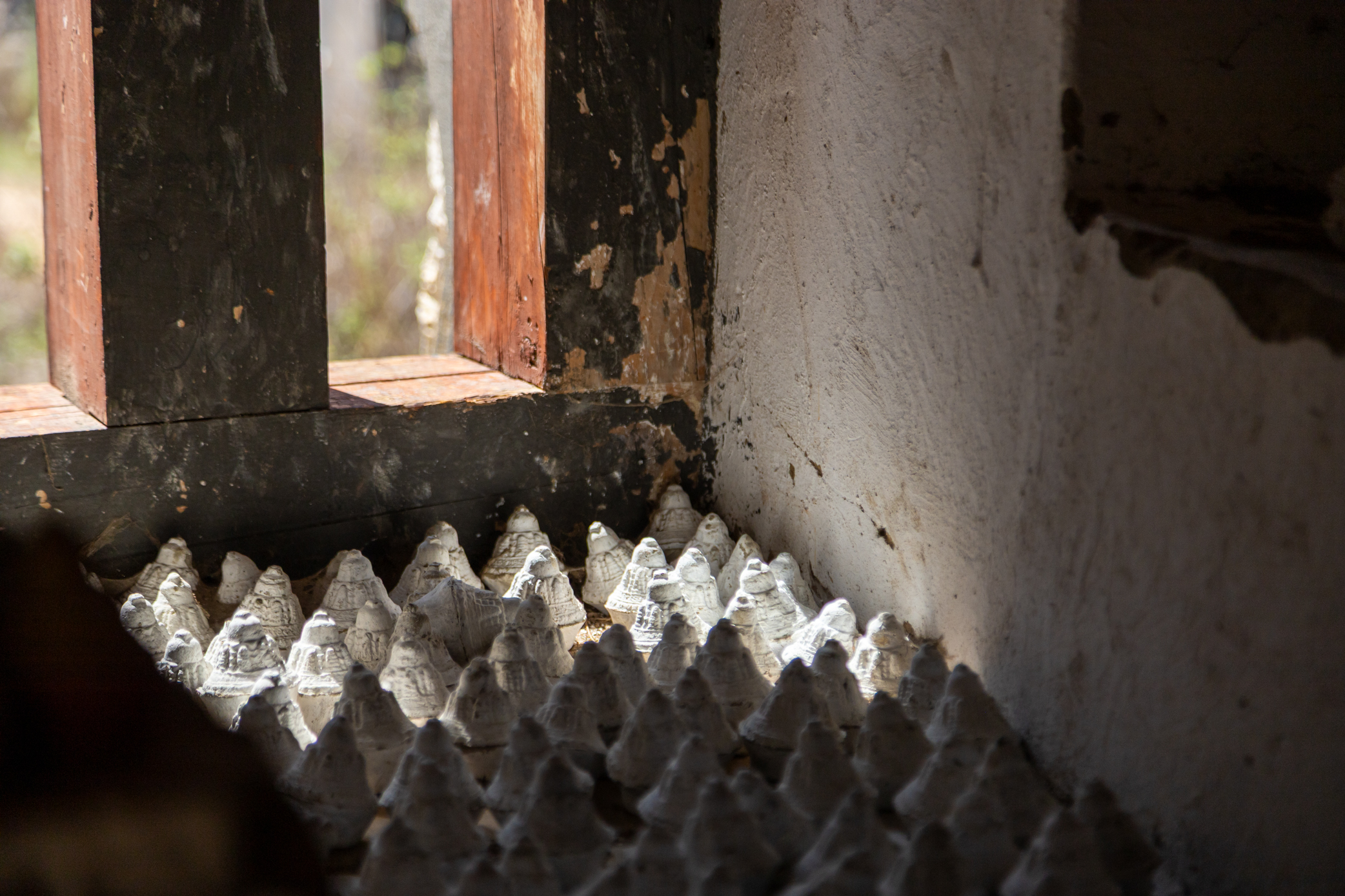
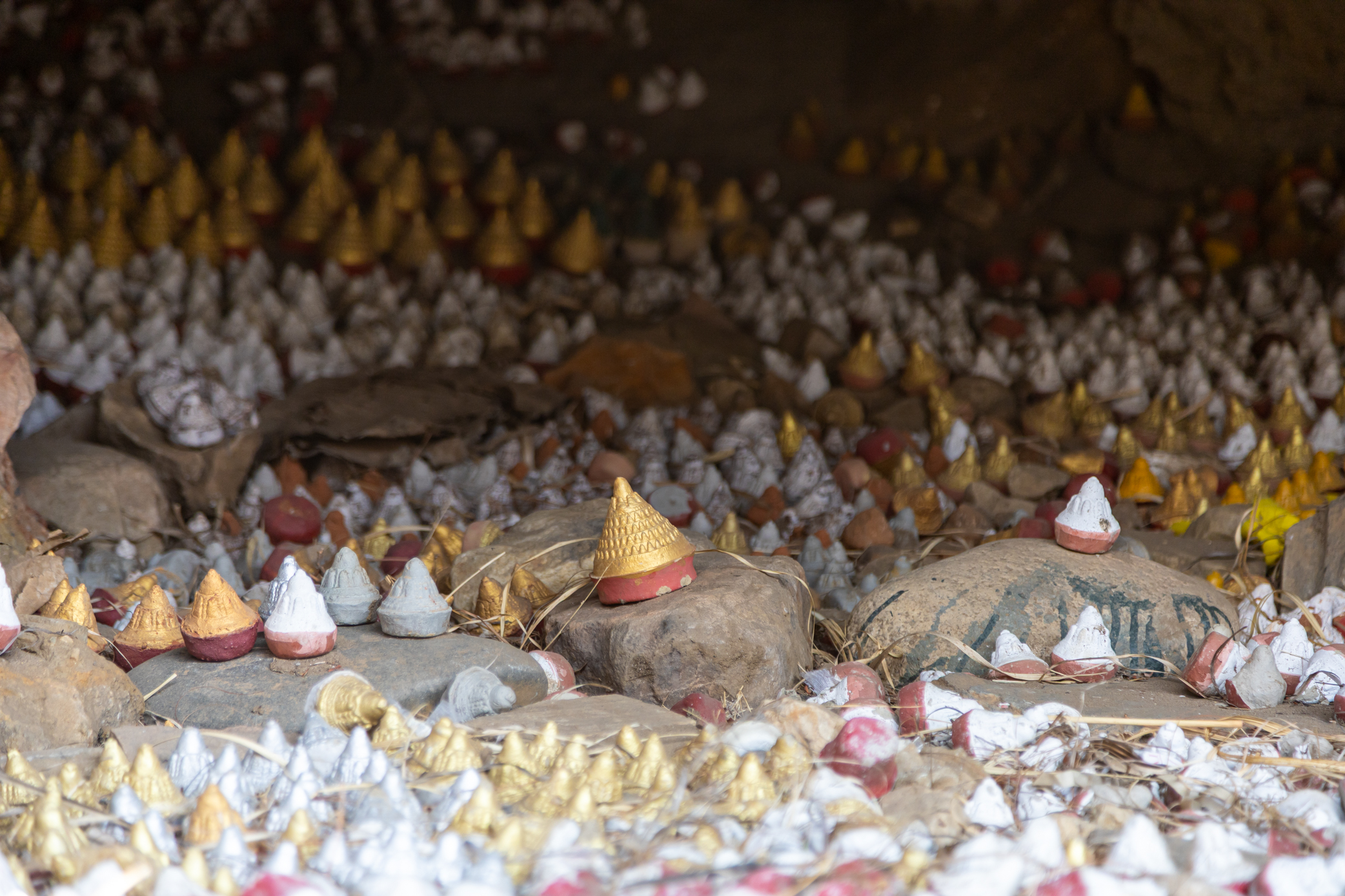
Just a few buildings, prayer flags lining the ridge, and small alcoves filled with clay offerings—tsa-tsa—placed there over time.
Hundreds of them. Maybe thousands.
Some carefully arranged. Others tucked into cracks in the rock, slowly becoming part of the landscape itself.
After days in the mountains, it didn’t feel like a separate stop.
It felt like a continuation.
Buddha Over the Valley
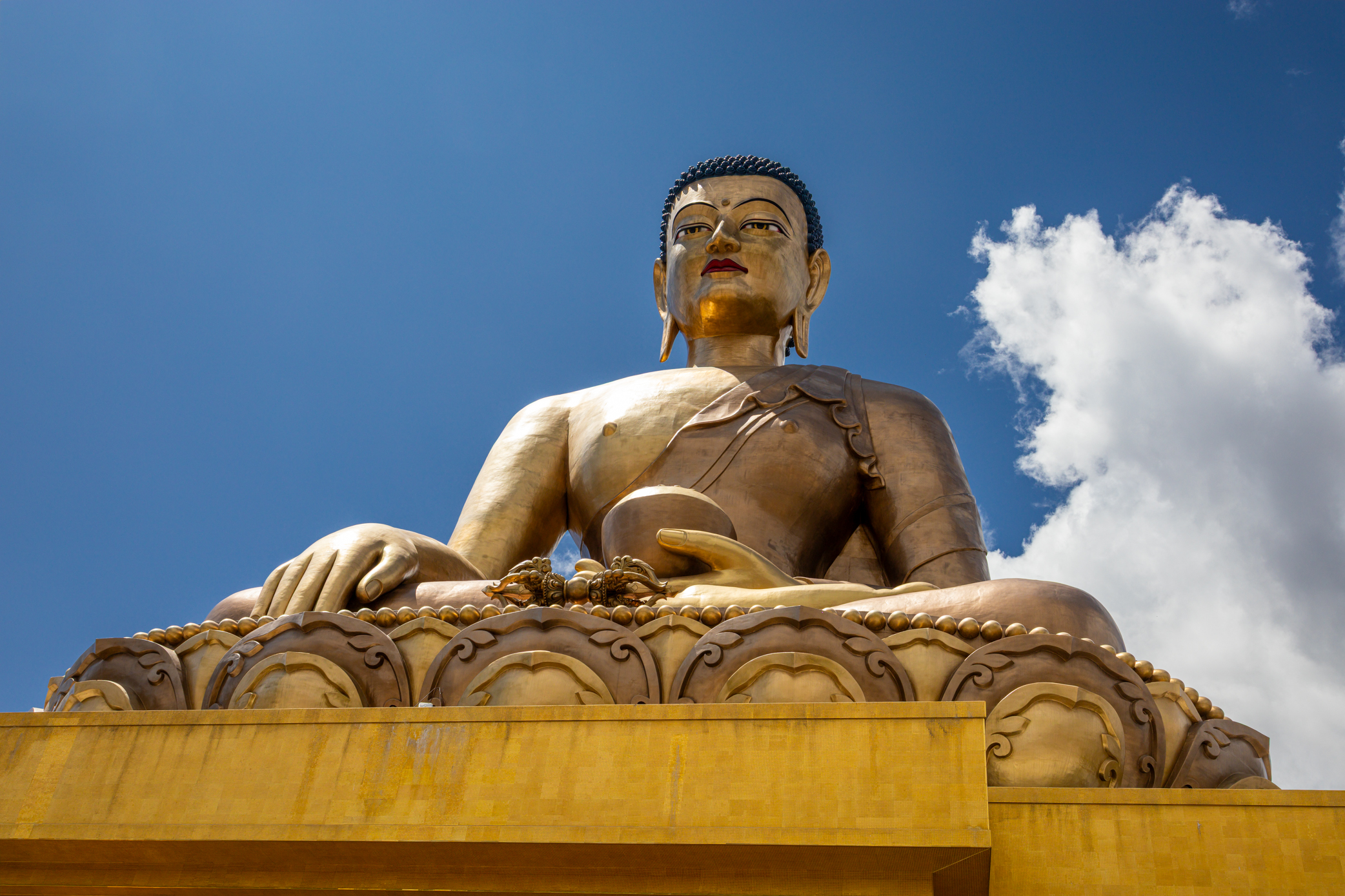
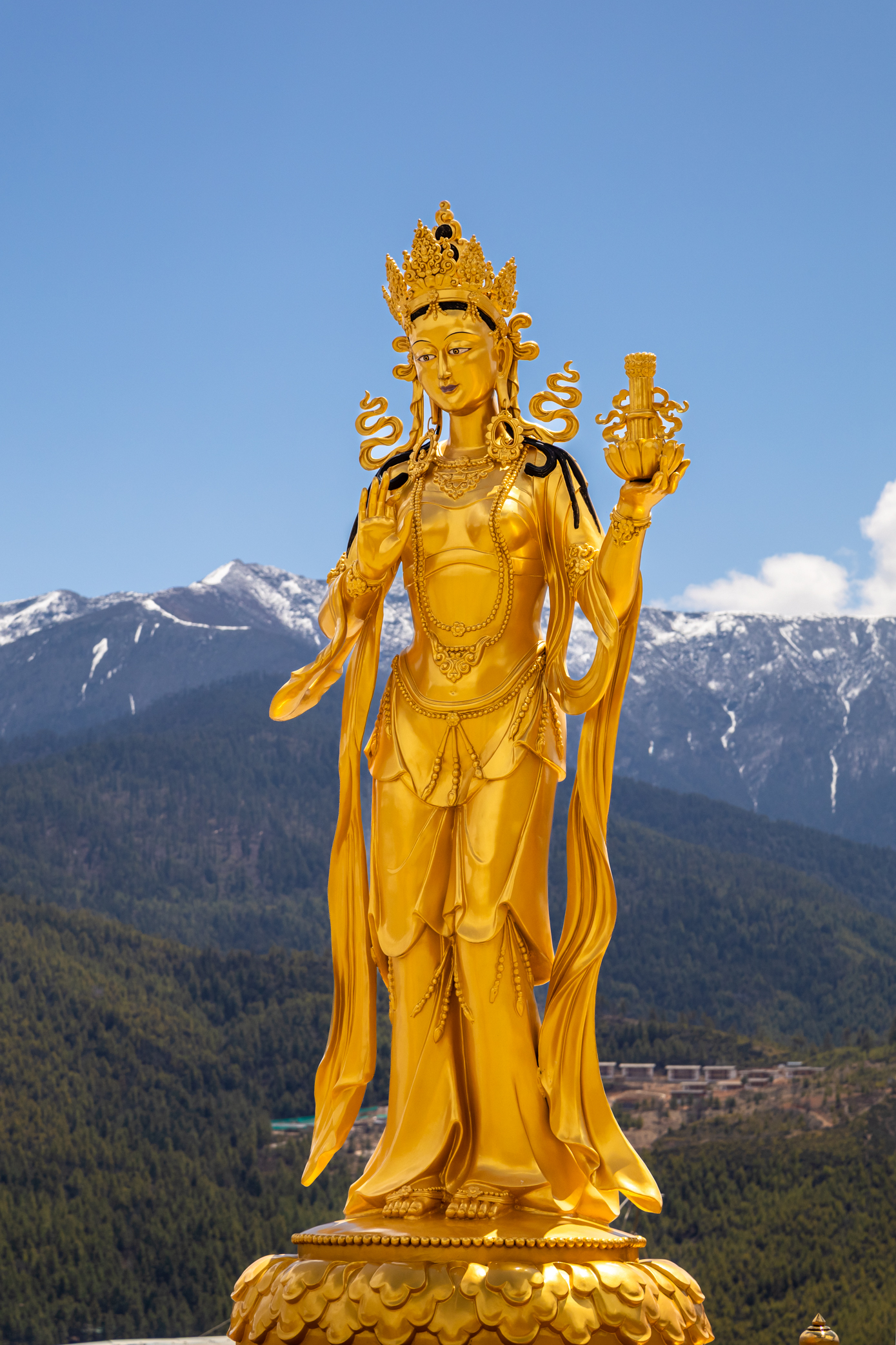
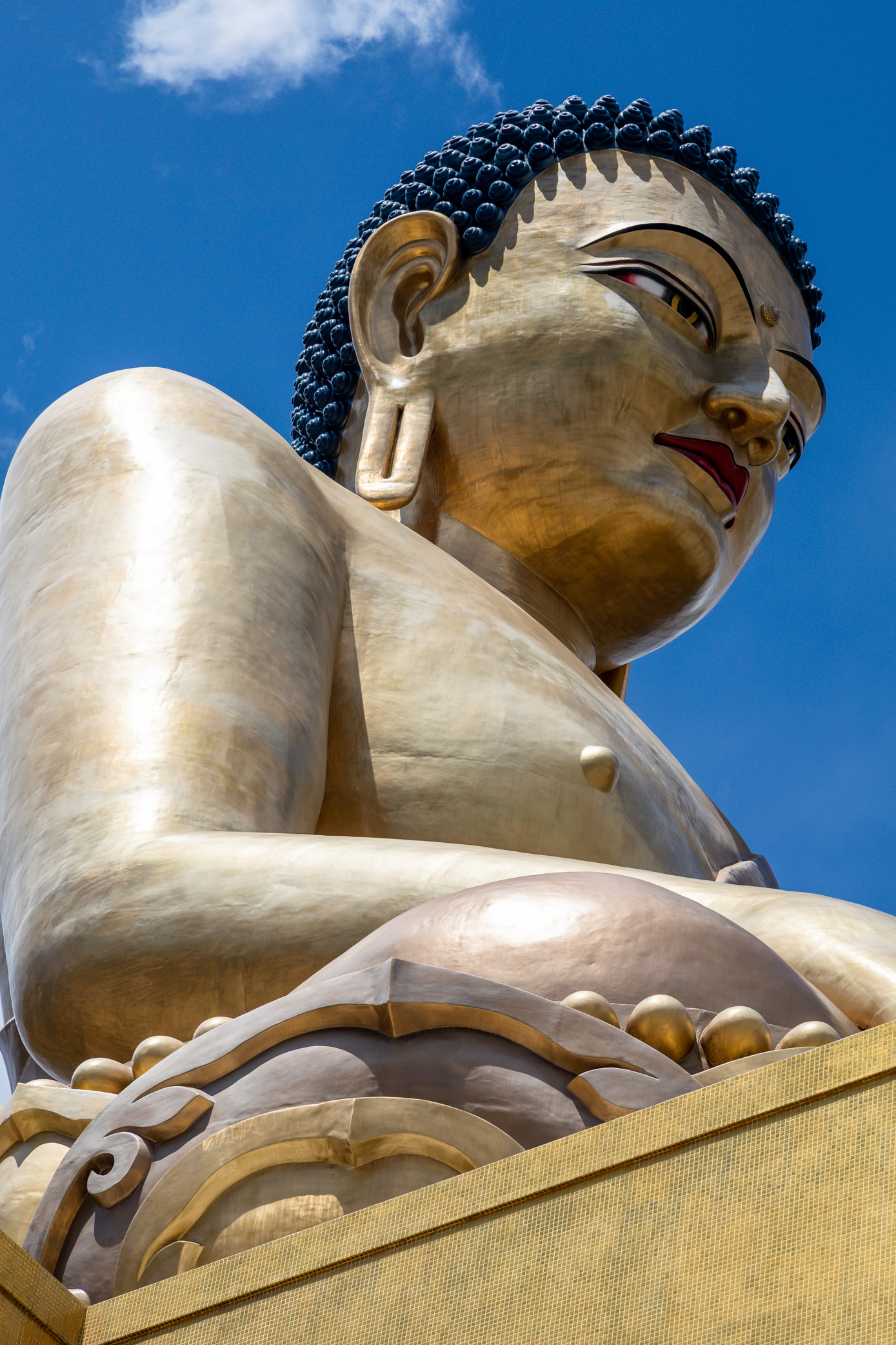
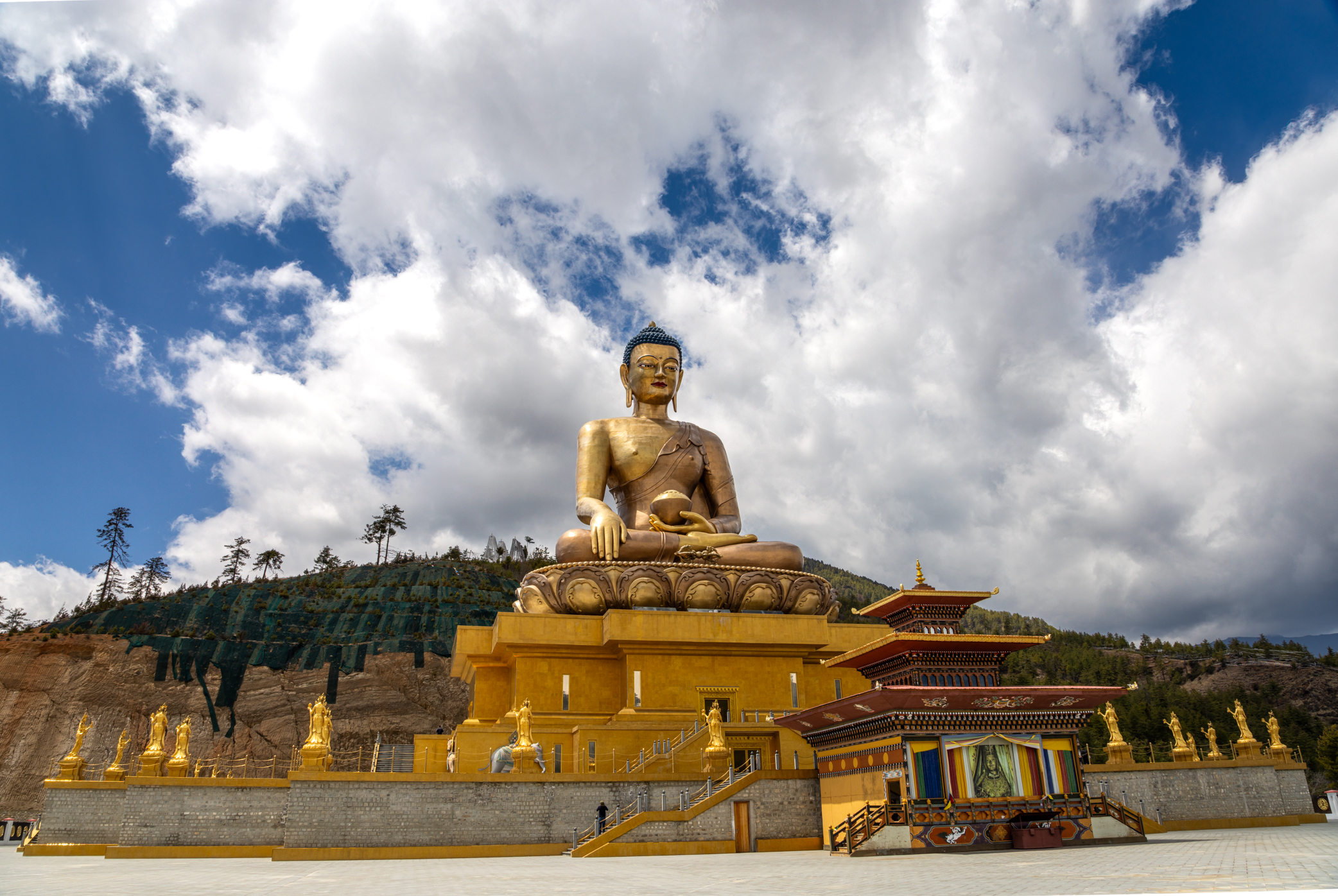
One of our first major stops back in Thimphu was Buddha Dordenma.
At 125 feet tall, it dominates the skyline.
But standing at its base, what stood out wasn’t just the size—it was the stillness.
After days of wind, snow, and long climbs, everything here felt calm.
From above, the entire Thimphu Valley stretched out below us, framed by the same mountains we had just come from.
It was one of those rare moments where you can actually see the transition—from wilderness back to civilization—in a single view.
Daily Life at the Chorten
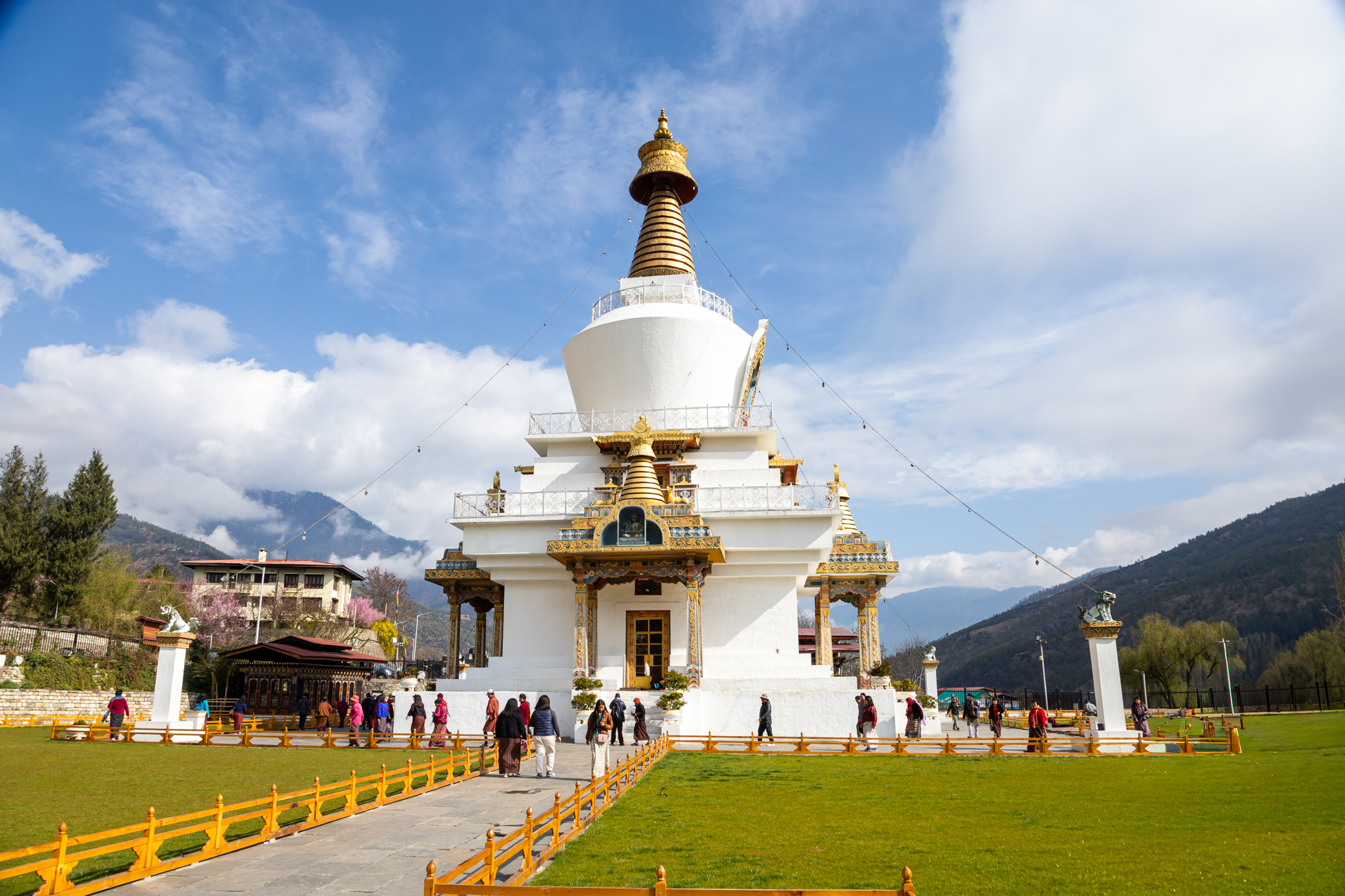
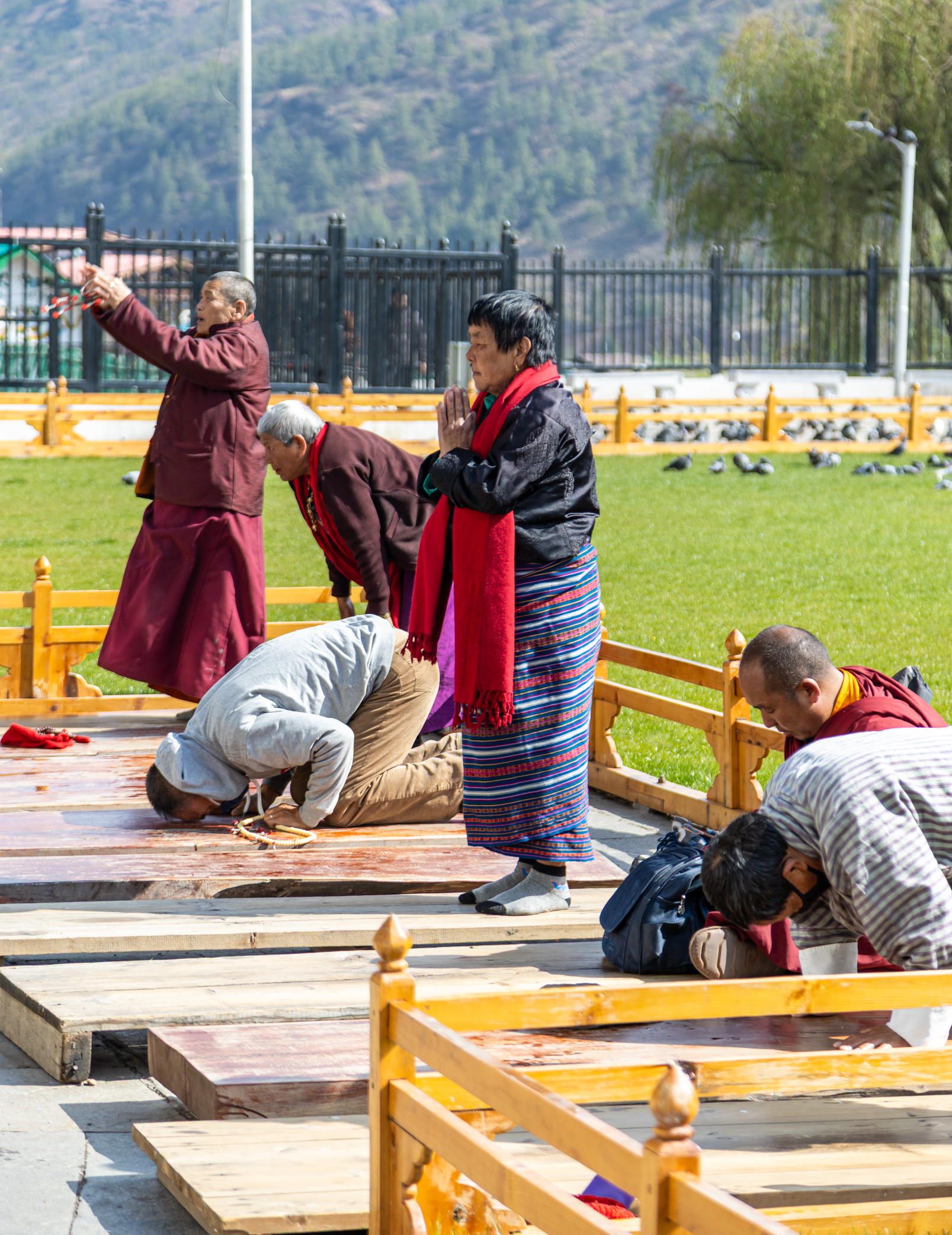
We also visited the National Memorial Chorten.
Here, it wasn’t about what we were seeing.
It was about what everyone else was doing.
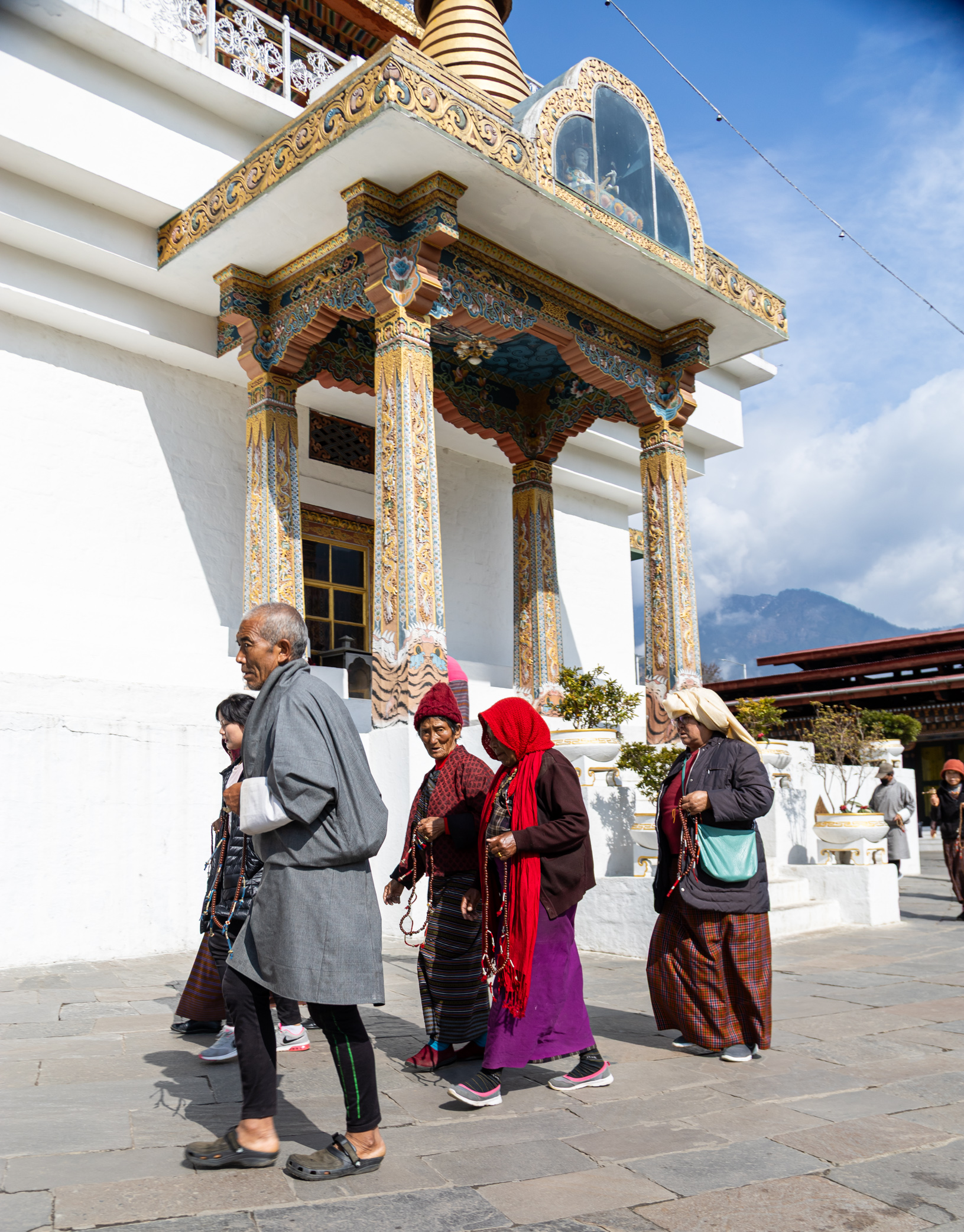
Locals moved slowly in circles around the stupa, spinning prayer wheels, counting beads, murmuring prayers.
Many of them elderly. Moving deliberately. Unhurried.
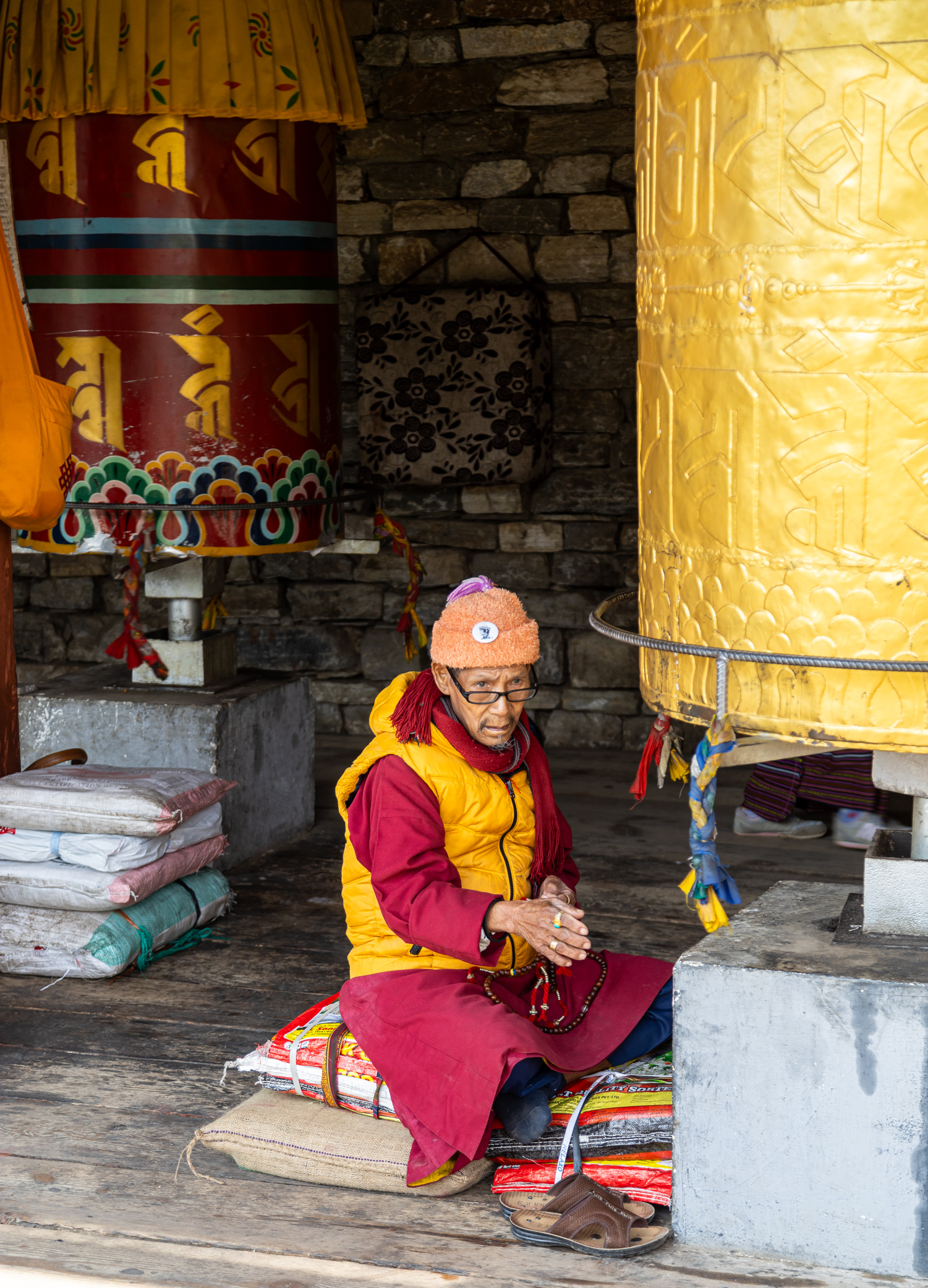
Inside one of the temples, a man sat spinning a massive prayer wheel, beads in hand, completely absorbed in the motion.
This wasn’t something done for visitors.
It was daily life.
After the intensity of the trek, there was something grounding about watching that.
One Last Pass
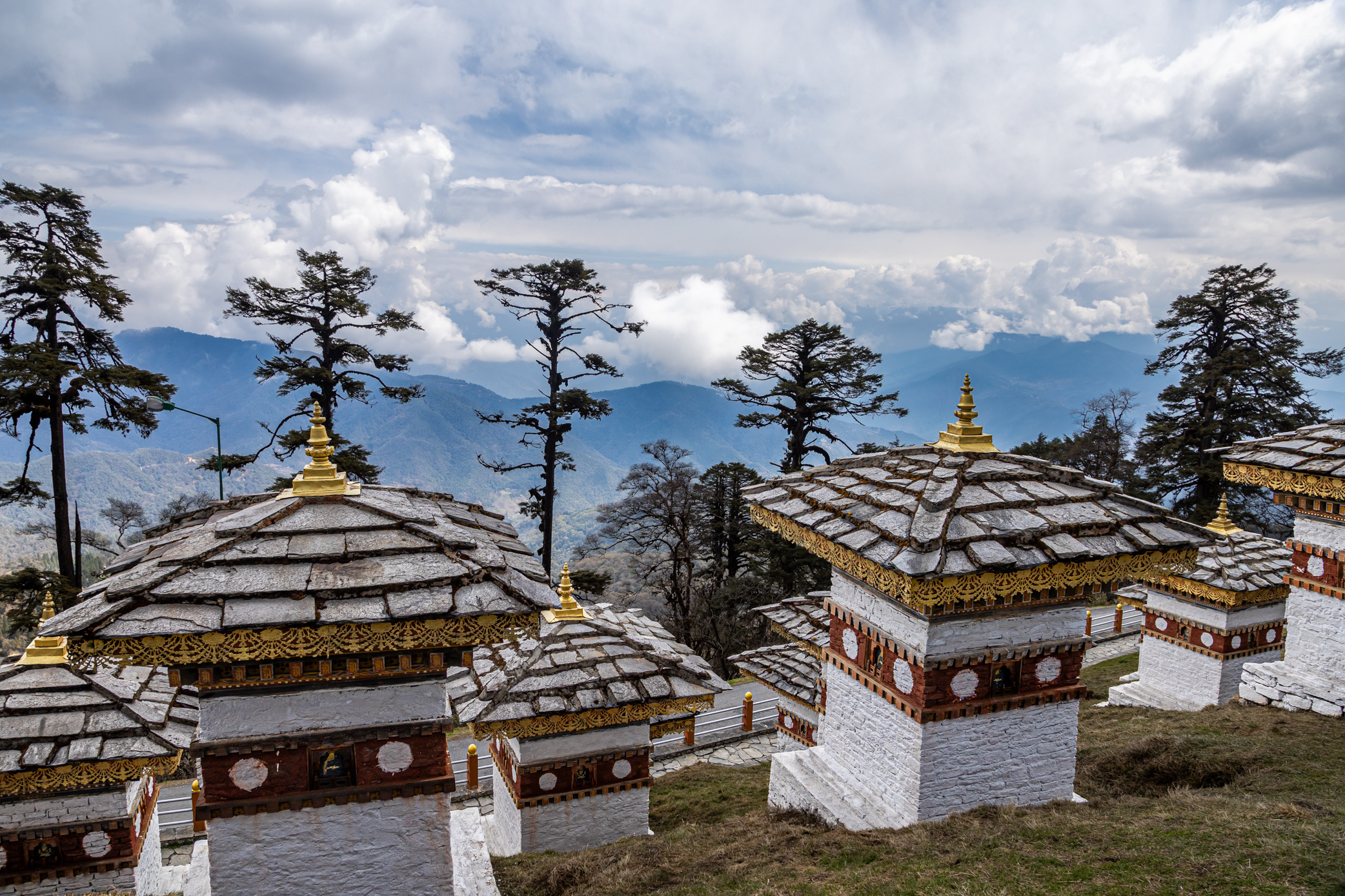
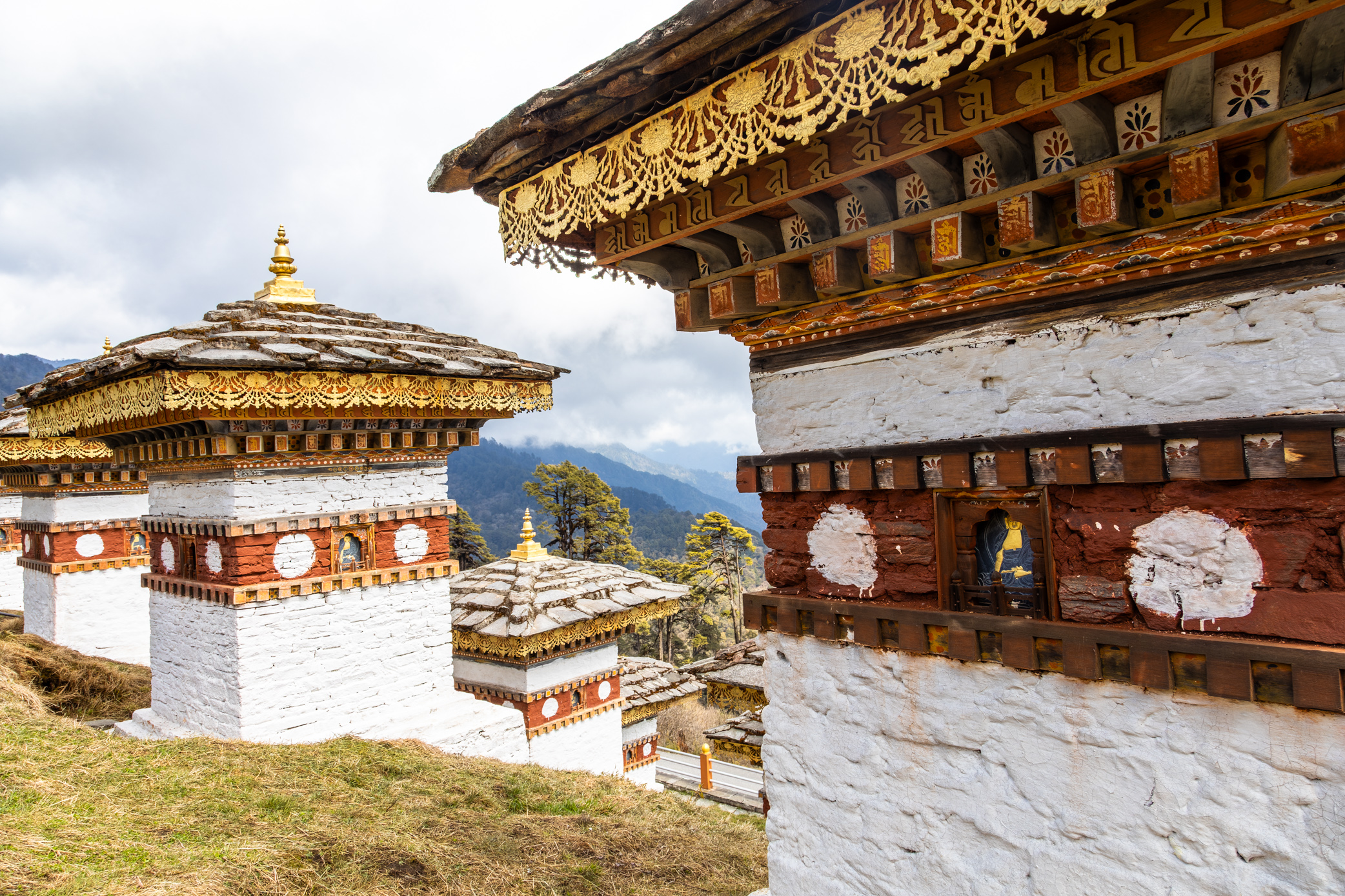
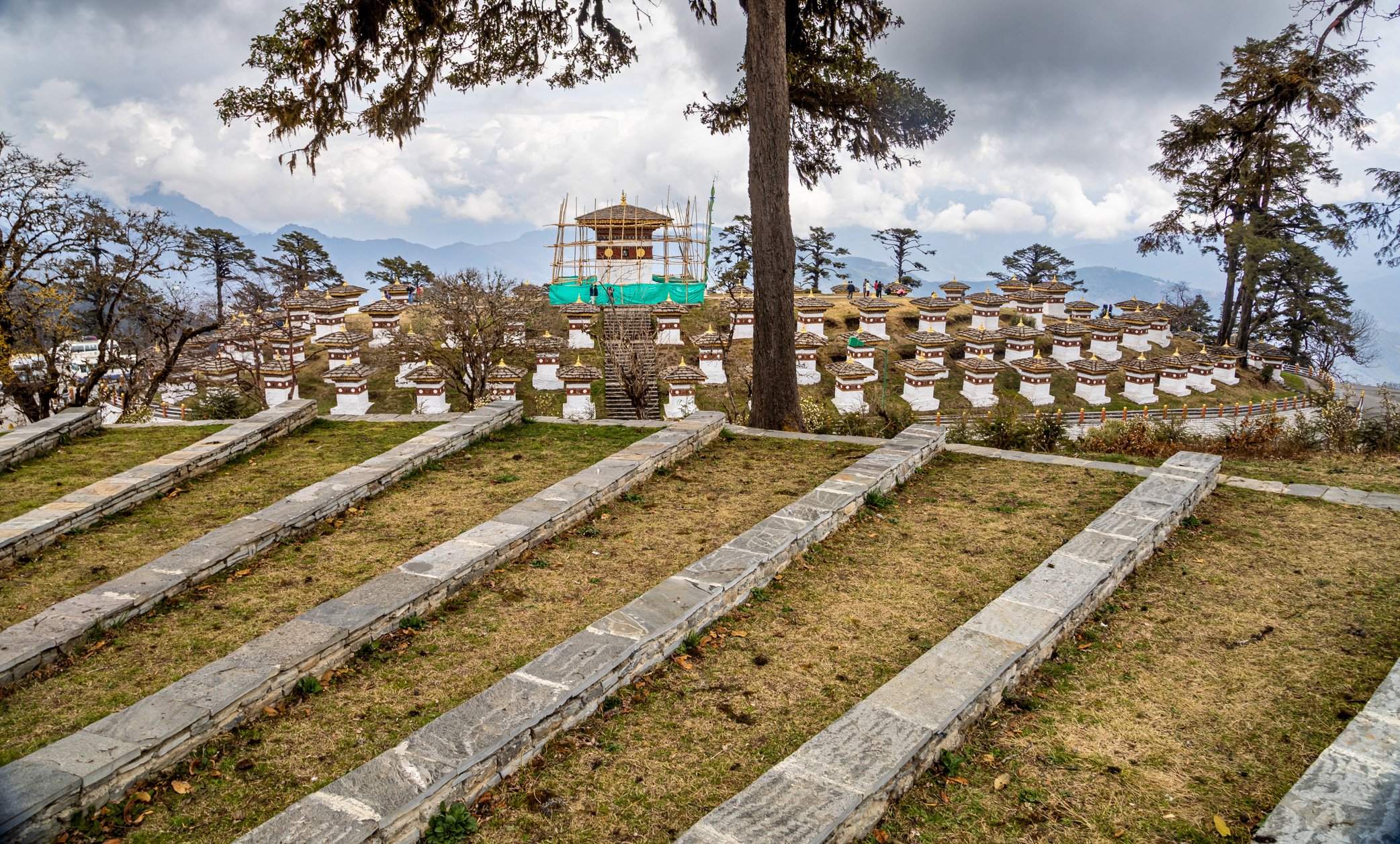
On the way out, we crossed Dochula Pass.
The 108 chortens lined the hillside in perfect symmetry.
Clouds moved in and out of the mountains, occasionally revealing glimpses of the peaks beyond.
After everything we had just experienced, it felt familiar.
Not like a viewpoint—but like part of the same landscape we had been walking through all along.
The same quiet rhythm we had seen throughout Bhutan.
The Departure
From there, we made our way back to Paro, returning to the same place where the trip had begun.
We spent the night at Hotel Olathang, settling back into familiar surroundings. That evening, the group gathered in the bar for one last night together—recounting moments from the trek, laughing about the tougher days, and reliving the small experiences that had already started to feel like something bigger.
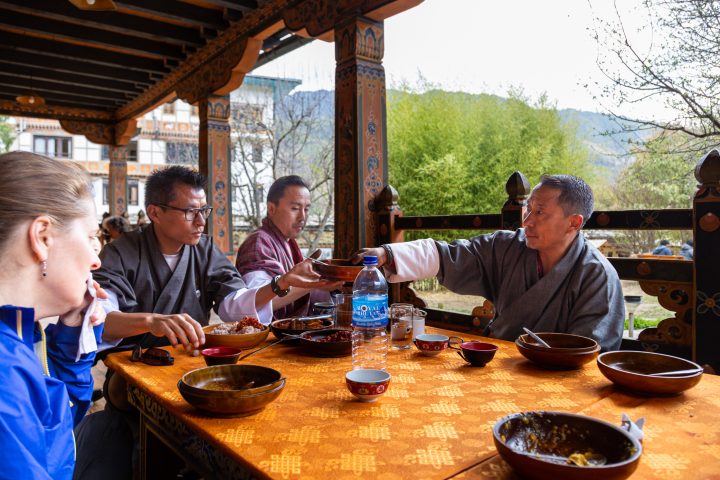
It was the kind of night that doesn’t need anything planned.
Just time, stories, and the people you shared it all with.
Eventually, we all drifted off to bed—knowing early flights were waiting.
The next morning, we departed Bhutan and flew back to Kathmandu, where we would spend another day exploring before continuing on.
I’m Goin’ to Kathmandu – Nepal 2019
From there, our journey took us to Dubai.
We had a long layover planned, so we made the most of it—booking a great hotel and heading out into the desert. Camel rides, a 4WD jeep tearing across the dunes, and even a few attempts at sandboarding down the steep slopes.
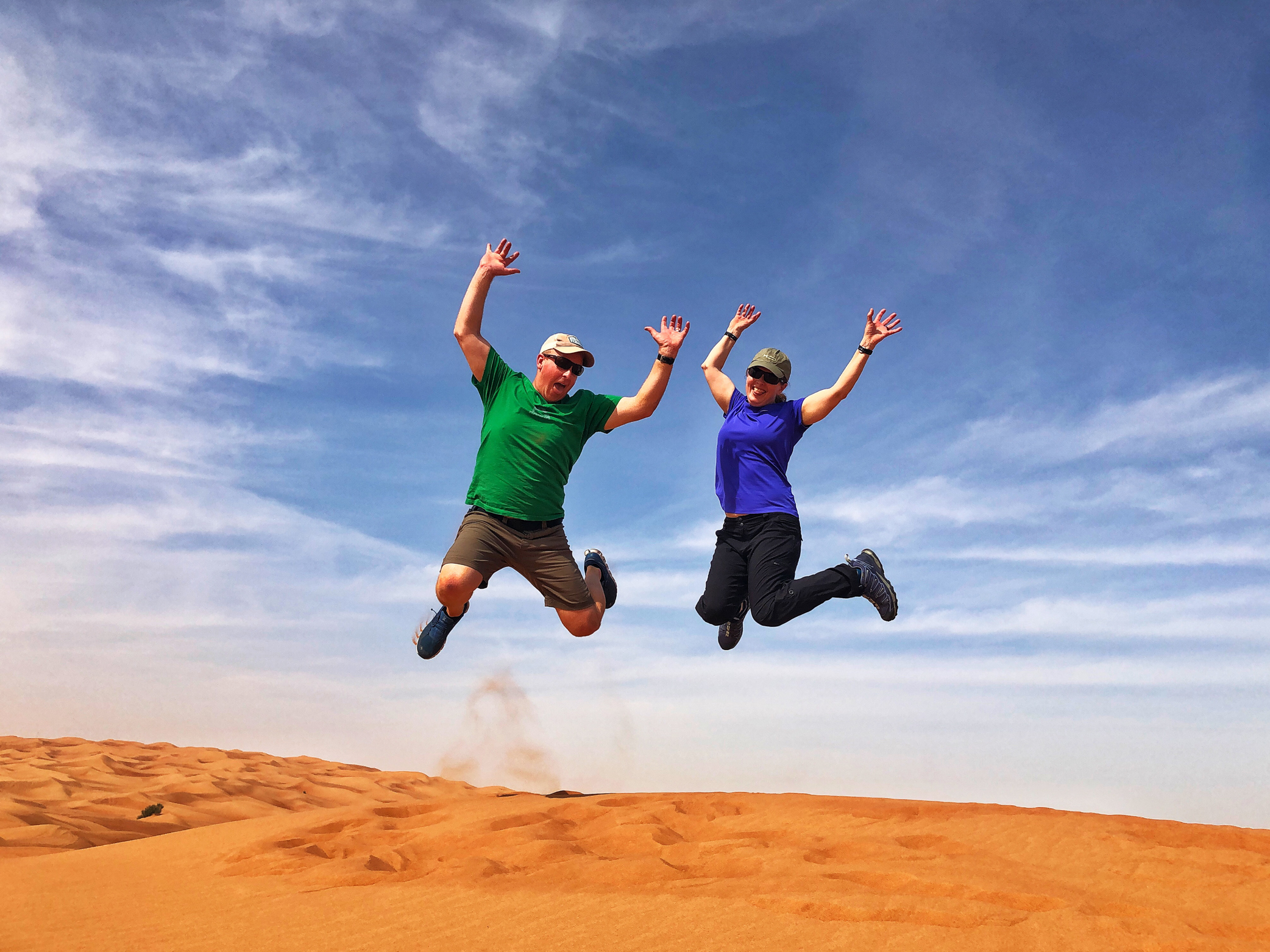
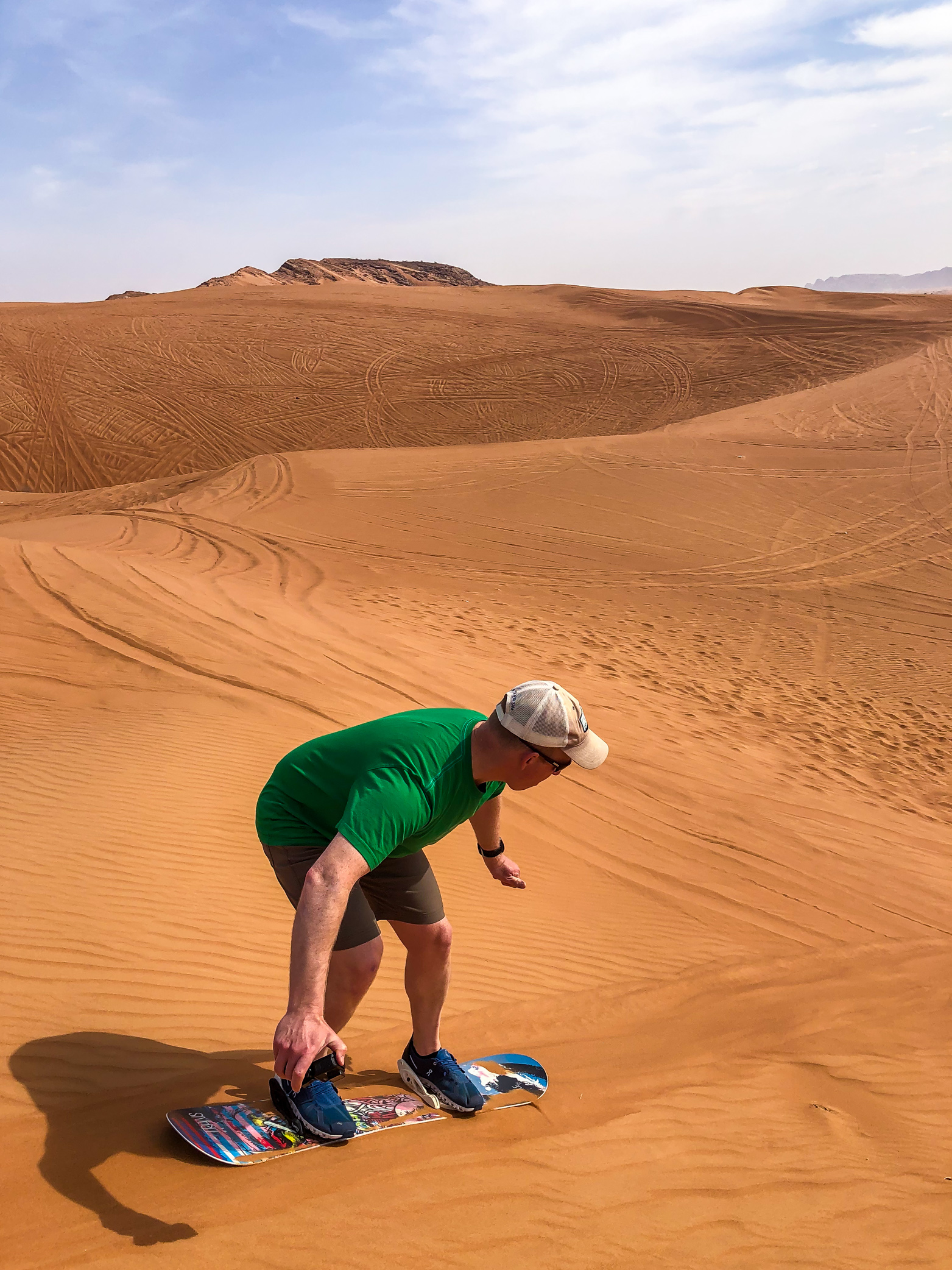
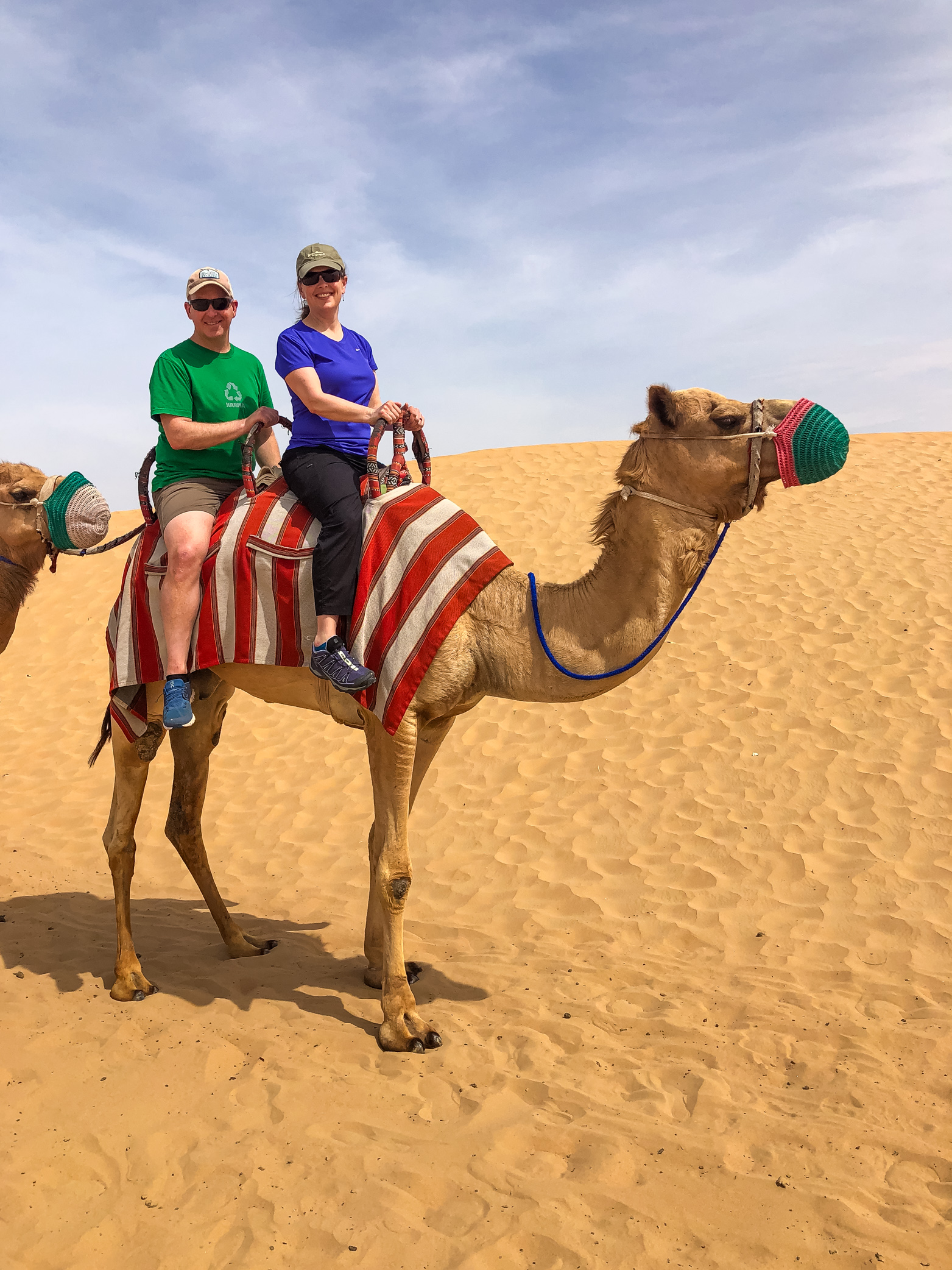
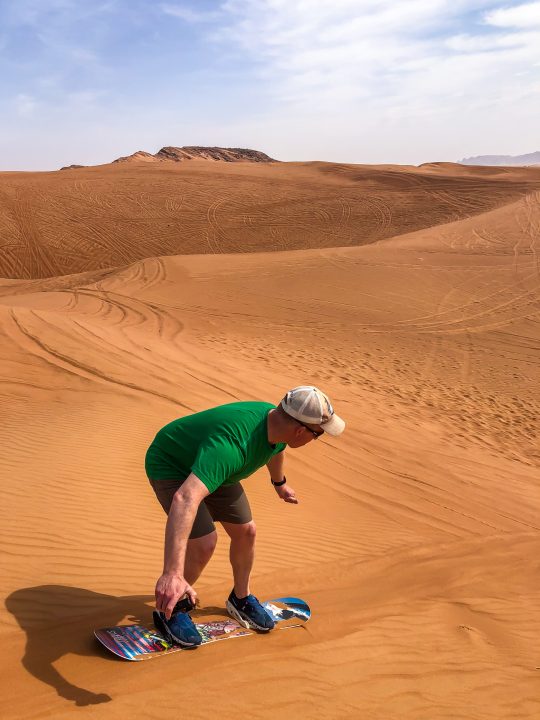
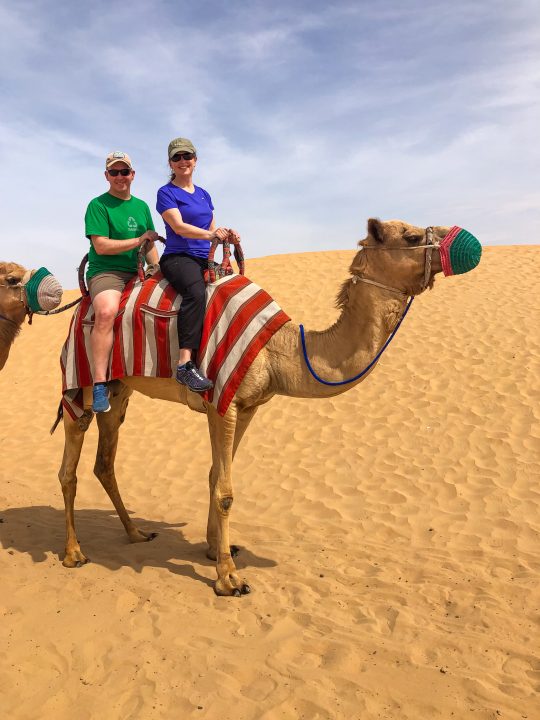
It was a completely different kind of landscape—but somehow still felt like part of the adventure.
And then there was the food.
The hotel had an incredible Thai restaurant—honestly, one of the best we’ve ever had. We ended up going twice in the short time we were there.
Looking back, it was the perfect contrast to the trek.
From remote Himalayan valleys to desert dunes and city lights—all in the span of a few days.
Airports feel different after a trip like this.
Everything is faster. Louder. More structured.
And yet, part of you is still moving at the pace of the trail.
Looking out the window as we took off, the mountains stretched out below—layer after layer fading into the distance.
Somewhere out there was Nyele La.
Base camp.
The valleys we had walked through.
Looking Back on the Chomolhari Trek
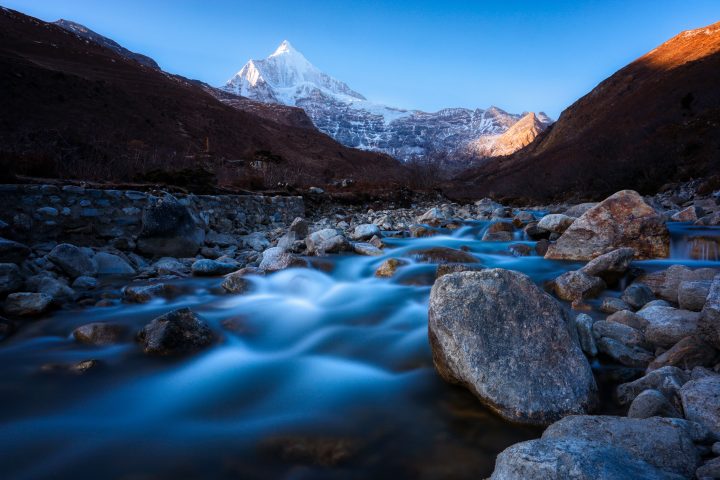
Over six trekking days, we had covered more than 50 miles through the Bhutanese Himalayas, climbed above 16,000 feet, and experienced landscapes unlike anywhere else we had traveled.
But what made the trek memorable wasn’t just the scenery.
It was the people.
Our guides, the porters, the schoolchildren, and the families living high in the valley all made the journey unforgettable.
Bhutan often describes itself as the land of Gross National Happiness.
After trekking through its mountains, it was easy to see why.
If you made it this far, thanks so much for following along on our journey! 🙂
